

Updated October 2025: We have updated the article to reflect significant advancements in senior care technology, including integrated AI-powered assistive devices, non-wearable fall detection systems, smart wheelchairs with app-based features, enhanced telemedicine and remote monitoring, and the emergence of user-focused technology concierge services. These updates provide a comprehensive view of state-of-the-art solutions supporting safety, mobility, and independence for seniors in Duluth.
Navigating Senior Care in Duluth
Senior care in Duluth reflects a nuanced interplay between demographic insights and tailored care solutions. As Minnesota’s population ages, with approximately 43,684 seniors residing in Duluth alone, the demand for comprehensive elderly care options escalates. According to Market.us, about 70% of individuals turning 65 today are expected to need some form of long-term care. Addressing these needs becomes paramount, especially in counties where over 25% of residents are aged 65 and older, emphasizing the imperative for accessible and varied care services America’s Health Rankings.
Diverse Senior Care Options in Duluth
Duluth offers a spectrum of senior care models, each addressing different levels of need: home-based care, assisted living, skilled nursing, and memory care. Programs like those at Ecumen Lakeshore epitomize the comprehensive service range, accommodating everything from independent living to specialized memory care Retirement Living. Seniors often transition from home care to more structured environments as their needs evolve. Consider a case where a senior with mobility constraints benefits significantly from memory care services, ensuring safety while enhancing their quality of life.
Demographic Insights and Health Needs of Duluth’s Elderly
Understanding Duluth’s senior demographic—a predominantly female segment, with high occurrences of conditions like hypertension and mobility issues—is essential when planning care. According to MN Compass, access to care is often influenced by socio-economic factors. For example, an elderly woman in her 80s managing chronic conditions while navigating financial constraints illustrates the need for tailored financial planning to access sufficient care. While Minnesota’s elderly poverty rates are comparatively low, they remain variable, demonstrating a need for strategies to address these disparities.
Noteworthy Senior Care Facilities and Programs in Duluth
Duluth is home to esteemed facilities like Benedictine Living Community-Duluth, noted for its progressive intergenerational programs and dementia-friendly initiatives Assisted Living Magazine. Families commend such facilities for their caring staff and diverse programs, including a memory care segment that markedly enriches the quality of life for dementia patients. These facilities emphasize robust engagement strategies, such as activities that bridge generational gaps, promoting cognitive and social well-being.
Financial Aspects and Planning for Elderly Care
Financial planning in Duluth’s care landscape requires navigating a complex array of options. According to America’s Health Rankings, costs vary widely, with assisted living ranging from $4,000 to $5,000 per month, while nursing care can surpass $10,000 for advanced services. Exploring payment avenues like Medicare, Medicaid, and long-term care insurance is fundamental. Real-world budgeting examples, such as a family balancing insurance and savings for assisted living, highlight the importance of comprehensive financial strategies in managing care expenses.
Enhancing Senior Safety and Independence at Home
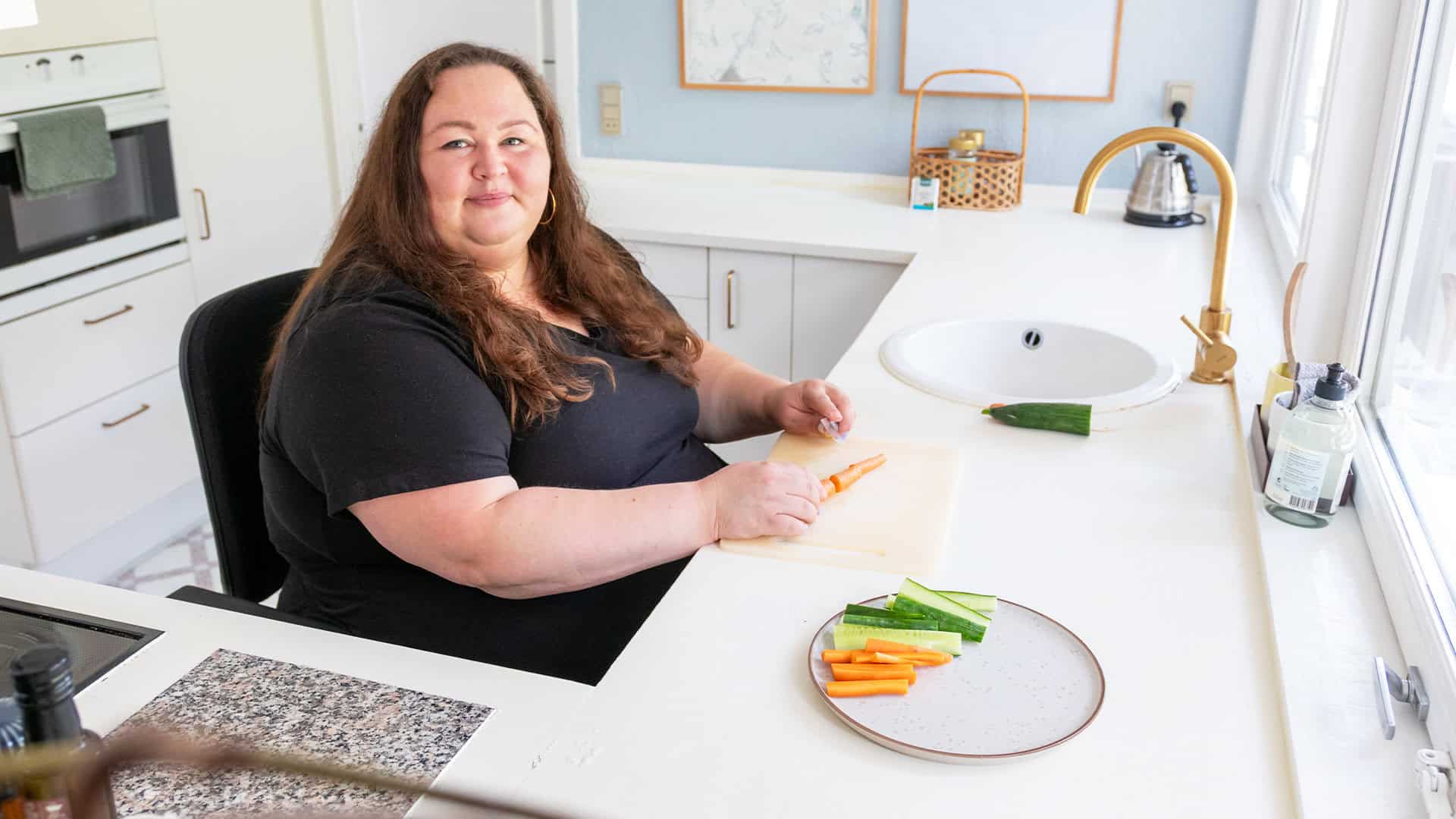
Preserving safety and independence in seniors’ residences necessitates adopting innovative solutions like home modifications and adaptive aids. Recent trends show a growing use of advanced smart home devices, including AI-powered assistive technologies and ambient sensors that provide non-wearable fall detection and preventive support. AI-driven monitoring, smart sensing systems, and remote consultations have become integral to managing health and maintaining independence, allowing seniors to receive proactive care while aging in place.[2] [1] Features such as non-intrusive fall detection, medication reminders, personalized care management, and streamlined telemedicine access are strengthening daily routines and reducing risks. Technology concierge services and tailored training programs are increasingly available, enabling seniors to adapt confidently to these digital solutions without adding to caregiver workloads.[8] The VELA Independence Chair remains a notable example, supporting daily activities, freedom of movement while seated, and fall prevention, in line with current ergonomic and AI-driven trends.
Exploring Alternatives to Nursing Homes
For many seniors, staying in their own homes as they age is a preferred choice, and options like the VELA Independence Chair can make this feasible. The latest mobility solutions include smart wheelchairs equipped with AI enhancements—such as GPS, collision avoidance, gesture-based and voice control, as well as remote app customization—reflecting the industry’s rapid adoption of multi-modal AI-powered interfaces.[5] Wearable exoskeletons and lightweight foldable mobility aids with improved battery life and user personalization are also prominent, expanding mobility choices. These advances support safety, comfort, and the option to age in place. The VELA Chair, in particular, with features like central braking, electric height adjustability, and mobile seating, exemplifies this new generation of ergonomic, tech-integrated devices. Paired with real-time health monitoring and proactive care ecosystems, these devices contribute to delaying or minimizing the need for nursing home placement, while reducing the demands on family caregivers.[3] Data security and interoperability remain a high priority as care providers increasingly rely on connected, data-driven systems.[4] Updated regulatory guidelines now encourage integrated technology solutions—including AI, predictive analytics, and remote monitoring—for holistic rehabilitation, preventative care, and safe, independent living.[7]
Sources: WHO.int, MedlinePlus.gov, Harvard.edu, MayoClinic.org, PubMed,
Heisinger Bluffs,
AgeInPlaceTech.com,
Cyces,
CLAConnect,
Everything Medical Online,
A Place for Mom,
Peters Creek blog