

Updated January 2026: We have updated the article with new findings on AI-powered and smart mobility aids, predictive health monitoring through wearables and home devices, robotics in elderly care, hyper-personalized and data-driven care plans, ethical technology use, and inclusive design trends enhancing independence and caregiver efficiency.
Navigating Elderly Care Choices in Levelland, TX
Understanding the landscape of elderly care in Levelland is crucial for residents and families planning for the future. With approximately 14.55% of Levelland’s population aged 65 and over, ensuring quality care for these individuals is of growing importance. This article explores various aspects of elderly care in Levelland, addressing local demographics, health challenges, care providers, and the role of adaptive equipment like VELA chairs.
Understanding Elderly Care Needs in Levelland, TX
Levelland’s senior population presents unique demographic characteristics that influence care needs. According to the Covenant Health Levelland Community Health Needs Assessment (2024-2026), cultural diversity and socio-economic factors are pivotal in shaping local elderly care. With nearly 50% of the population being Hispanic, culturally sensitive care is vital. Additionally, the median household income is $51,847, and the poverty rate stands at 13.79% (Data USA), which impacts care access and choices for many seniors.
Real-life examples within local care facilities show efforts to integrate cultural sensitivity, such as providing bilingual staff and culturally appropriate meal options, enhance the care experience for seniors from diverse backgrounds. These considerations ensure that all seniors receive personalized and compassionate care.
Demographic Trends and Health Challenges Among Levelland’s Seniors
Chronic health conditions, including diabetes and heart disease, are prevalent among Levelland’s elderly, consistent with the Centers for Disease Control and Prevention statistic that 85% of adults over 65 have at least one chronic condition. These health issues significantly affect both the quality of life and care requirements for seniors.
The local healthcare system has been proactive in addressing these challenges. Collaborative initiatives, such as community health screenings and chronic disease management programs, have shown positive outcomes. Case studies reveal that targeted interventions, like dietary adjustments and personalized exercise plans, have successfully managed chronic conditions, enhancing the quality of life for many seniors.
Advances introduced since 2025 have improved how seniors and care teams manage these challenges. Technology-enabled healthcare is now a routine part of senior services, including continuous remote health monitoring and telemedicine platforms that allow timely medical interventions and ongoing supervision of chronic conditions.[1][2][3][4][7] AI-driven analytics help care providers to anticipate health risks and personalize care plans, supporting better health outcomes for the elderly in Levelland. Predictive health monitoring, powered by wearable and smart home devices, is now standard for early disease detection and proactive management of issues like UTIs and nutrition.[3][7]
Local Elderly Care Providers: Services, Ratings, and Costs
Levelland hosts several highly regarded elderly care providers. Levelland Nursing & Rehabilitation Center, Home Instead Senior Care, and Covenant Health Levelland are noteworthy. These providers offer varied services, from skilled nursing care to in-home assistance and telehealth options.
- Levelland Nursing & Rehabilitation Center: Known for its skilled nursing and memory care services Medicare Nursing Home Compare.
- Home Instead Senior Care: Praised for personalized in-home care, focusing on assistance with daily living activities and dementia support.
- Covenant Health Levelland: Offers both inpatient and outpatient care, with telehealth services for mental health support Covenant Health Report.
User testimonials frequently highlight the attentive staff and personalized care these facilities provide. Cost-wise, assisted living in Levelland ranges from $2,800 to $3,400 per month, with in-home non-medical care costing between $22 and $28 per hour. These rates necessitate careful financial planning for families.
Technology integration is now standard practice in local care provision. Most Levelland facilities provide telehealth access and support for virtual medical consultations and mental health services.[1][2][3][4][7] Remote monitoring tools are commonly used to track health metrics, notify caregivers of changes, and facilitate rapid response. Smart assistive devices with AI features, such as fall detection, voice activation, and GPS tracking, are increasingly in use to enhance safety and reduce caregiver burden.[1][3][7] Facilities are adopting ethical use policies and ensuring data security in line with current best practices to protect resident privacy.[6][7]
The Role of Adaptive Equipment: Integrating VELA Chairs for Senior Independence
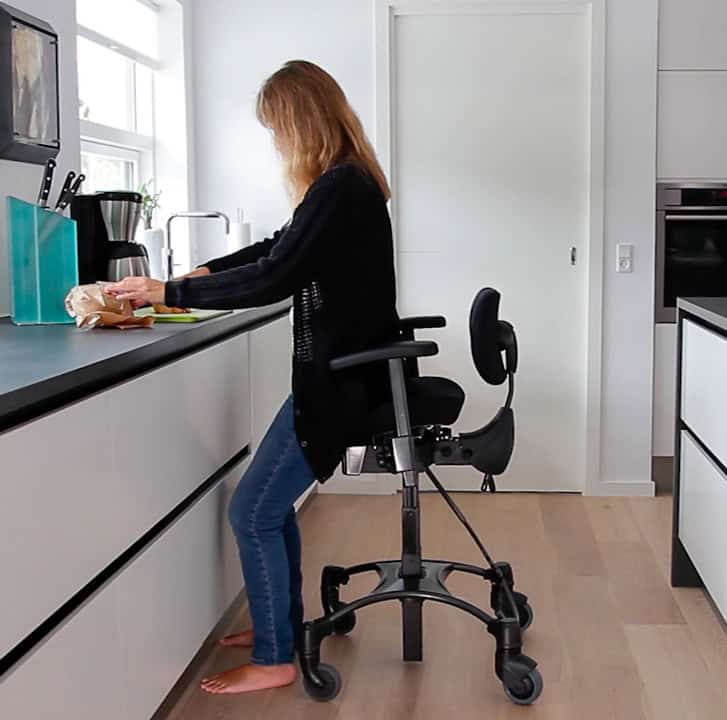
Given the challenges in nursing homes, including cost and sometimes a lack of personalized attention, many families are considering alternatives that allow older adults to remain independent in their own homes. One such solution is the use of adaptive equipment like VELA chairs, which offer medically approved assistance for home use. These mobility chairs enhance safety, provide freedom of movement while seated, and support daily activities like cooking, dressing, or transferring. By reducing the physical load on informal caregivers, VELA chairs represent an essential tool for families aiming to maintain their loved ones’ independence at home.
For seniors wishing to age in place, mobility solutions like VELA Chairs play a vital role. These chairs offer practical features: a central brake for safety, electric height adjustability for ease of transfers, and smooth movement capabilities while seated. Life with a VELA Chair means having the ability to engage in everyday activities—such as cooking and cleaning—with greater ease and safety. The result is not just improved living comfort but also the deferment of moving into a nursing home. Imagining life without such aids underscores challenges like frequent falls or reliance on others for simple tasks, highlighting the chair’s impact on maintaining dignity and independence. Though not the only solution, VELA stands out as a proven and practical option to support seniors living independently, ultimately easing the caregiving burden while enriching seniors’ quality of life.
Major advances in mobility aids now include smart, AI-integrated wheelchairs and robotic exoskeletons with features like GPS navigation, collision avoidance, powered gait training, voice command, and real-time health monitoring support.[1][3][5][8] These enhanced devices allow greater safety, independence, and all-terrain mobility, supporting seniors at home or in community settings. Robotics-assisted rehabilitation technologies and wearable sensors also contribute to improved physical therapy outcomes, proactive fall risk management, and reduction of muscle degeneration.[1][3][4][7]
Smart home automation is increasingly common in senior households. Voice assistants, automated lighting and appliances, and environmental sensors help those with reduced mobility maintain daily routines and comfort with minimal assistance.[1][3][4][6] Advanced smart home devices, such as health-analyzing toilet seats, now support early disease detection and nutritional monitoring.[3] These solutions are designed for universal access and screen-time appropriateness, with current regulatory guidelines and advanced electronic visit verification (EVV) compliance prioritizing safety, privacy, and inclusive design to ensure technology supports rather than replaces compassionate care.[4][6][7][8]
Conclusion: Embracing a Technology-Enabled Future in Elderly Care
The future of elderly care in Levelland is deeply shaped by advances in technology and adaptive equipment. Regular use of telemedicine, AI analytics, predictive and continuous monitoring via wearables, and smart mobility aids—including robotics and powered trainers—represents a shift toward greater independence and improved outcomes for seniors.[1][2][3][4][5][6][7][8] Hyper-personalized, data-driven care, enhanced staff efficiency through caregiver AI tools, and inclusive usability design help ensure that seniors can age safely and comfortably in place. Families and care providers must stay informed of both emerging solutions and best practices to make thoughtful, ethical choices that prioritize seniors’ rights, safety, and personal preferences.
For additional support or information about integrating advanced mobility aids and smart home solutions, please contact Meyland-Smith’s team for guidance tailored to your specific needs.
Sources:
- The Future of Senior Living: Trends to Watch in 2025 — HBRHC (January 2025)
- Senior Living Technology Trends 2025: Shaping the Future — ButterflyMX (July 2025)
- How Technology Will Transform Senior Care in 2025 — MyCareConcierge (February 2025)
- AgeTech Trends 2025: AI, Robotics & the Future of Aging — Cyces (January 2025)
- The Latest Trends in Mobility Aid Technology for 2025 — Everything Medical Online (May 2025)
- Market Overview 2025 Technology for Aging — AgeInPlaceTech (August 2025)
- Geriatric Assistive Devices Market: Trends, Technologies & Outlook — iHealthcareAnalyst (March 2025)
- AANP (American Association of Nurse Practitioners) on 2026 health trends, including remote monitoring and AI
- LeadingAge on senior care technology trends, focusing on in-home IoT devices