

Updated January 2026: We have updated the article to reflect the latest breakthroughs in AI-driven, sensor-integrated mobility aids, voice-activated controls for accessibility, wearable and robotic technologies for gait and fall prevention, IoT-connected remote monitoring, and the adoption of predictive analytics. New trends including 3D-printed custom devices, mainstream wearables for proactive health management, and regulatory initiatives for greater accessibility have been incorporated, with updated authoritative sources added.
Addressing the Needs of the Elderly Unable to Care for Themselves
The challenge of ensuring proper care for elderly individuals unable to care for themselves is a pressing issue as our population ages. With 70% of seniors likely to require long-term care at some point in their lives, and a staggering 40% with unmet care needs, addressing these needs is crucial to maintaining their dignity and quality of life, as detailed by the Administration for Community Living and the Economic Policy Research Institute.
The Growing Demand and Challenges in Elderly Care
The Baby Boomer generation reaching retirement age has created an unprecedented demand for elderly care services. According to the National Center for Health Statistics, 8.3 million people received long-term care in 2016, yet this figure barely scratches the surface of the actual need. The transition from independence to reliance can be challenging, with many seniors experiencing significant difficulties as they age. These challenges are occurring alongside major advancements in assistive technologies. Since 2025, AI-powered smart mobility aids—including walkers and wheelchairs with real-time sensor integration, fall detection, GPS, and auto-alerts—are significantly improving independence and safety. Voice-activated controls now assist users with dexterity limitations, while robotic exoskeletons and wearable devices are enabling greater support for mobility and daily activities. The integration of IoT and telehealth connectivity allows for remote health monitoring and personalized care coaching, further transforming home-based support (Cyces.co, Archive Market Research, iHealthcareAnalyst.com, AANP).
Understanding and Addressing Unmet Care Needs
Over 40% of adults who need assistance with activities of daily living (ADLs) such as dressing or meal preparation do not receive any, as reported by the Economic Policy Research Institute. Socioeconomic disparities and the absence of nearby family further exacerbate these unmet needs. Innovations such as wearable health navigators, AI-powered real-time monitoring, and IoT-connected smart home ecosystems now provide instant safety alerts to caregivers and healthcare providers. Predictive analytics embedded in these systems are increasingly being used to foresee fall risks and health crises, offering proactive interventions and bridging gaps where traditional support may be lacking (Cyces.co, iHealthcareAnalyst.com, AANP).
Family Caregivers: Unsung Heroes and Their Struggles
Approximately 53 million Americans serve as unpaid family caregivers, offering crucial support to elderly loved ones (U.S. Census Data). Caregivers often face significant physical and emotional strain, typified by stories like Jane, who at 60 manages both her diabetes and her caregiving duties for her aging mother. These challenges are compounded by declining marriage and fertility rates, reducing the pool of potential future caregivers. Technology now provides additional support for caregivers, with AI-enabled companions, smart sensors, cognitive health platforms, and remote monitoring solutions alleviating care responsibilities. Voice assistants and predictive digital coaching further reduce daily burdens and buildup toward a more holistic support structure (Cyces.co, TheGoodLifeSV.com, AANP, AARP).
Navigating Home-Based vs. Facility-Based Care Options
Choosing between home-based and facility-based care involves complex decisions. Research by the University of Wisconsin – Madison indicates that individuals receiving home care are twice as likely to experience unmet care needs compared to those in residential facilities. This dichotomy underlines the importance of tailoring care solutions to meet individual circumstances effectively.
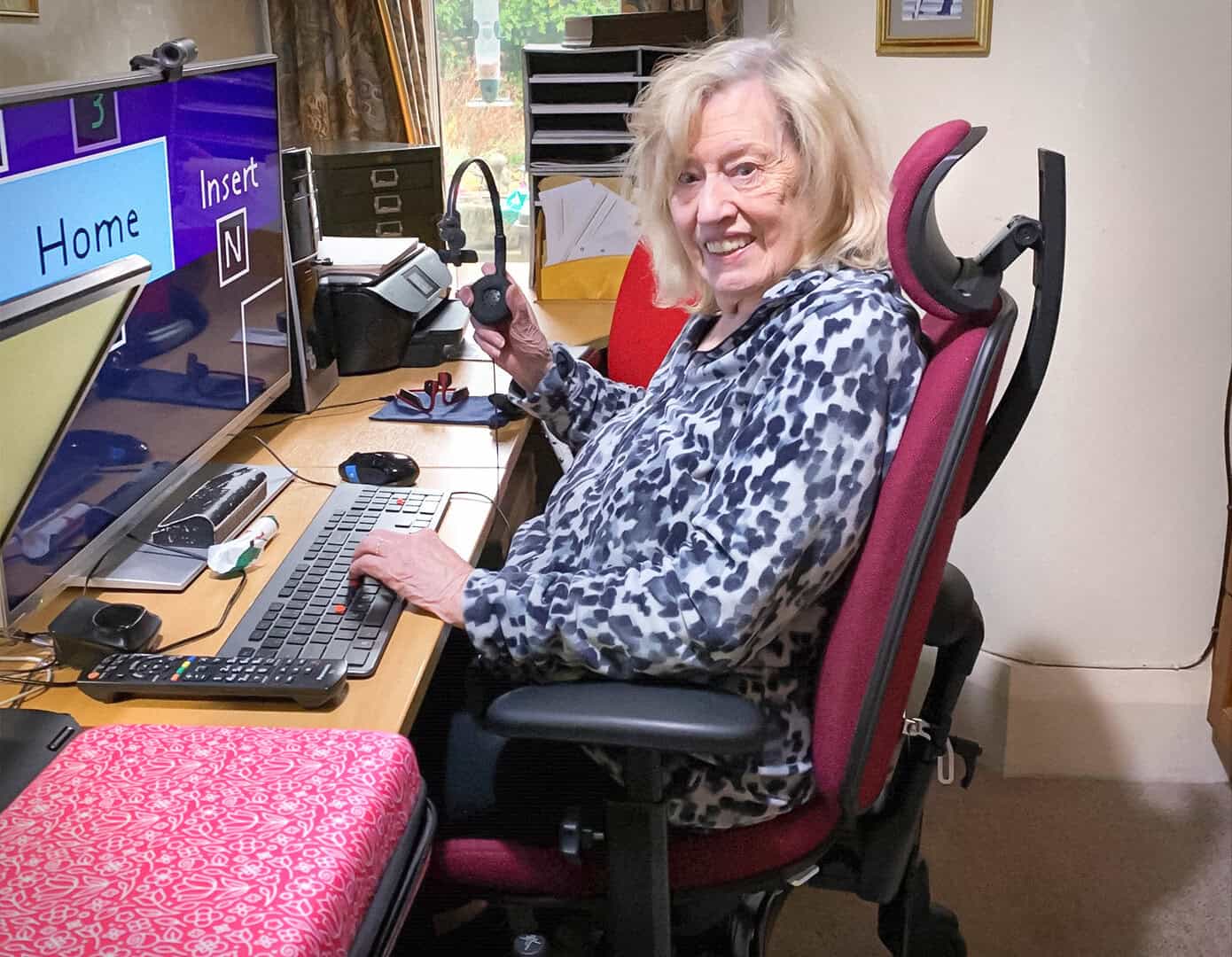
As the challenges of transitioning from independent living to potential nursing home care become apparent, adopting solutions that assist older adults in maintaining independence at home is crucial. VELA chairs are such a solution. Medically approved, these mobility chairs are designed for home use, offering enhanced safety and freedom of movement while seated. They support daily activities like cooking, dressing, and transferring, helping reduce the reliance on informal caregivers. Chairs designed for seniors needing assistance at home represent a significant advancement by addressing mobility issues and minimizing fall risks, fostering independence and dignity for seniors within their familiar environments.
Recent advancements in mobility aids also include customizable wheelchairs utilizing 3D printing, robotic assistive devices, wearable robotics and exoskeletons for gait support, e-bikes, and integration of AI/IoT for adaptive navigation and obstacle avoidance. These technologies together aim to reduce physical strain, prevent falls, and enhance independent living for seniors (Cyces.co, NextMSC.com, iHealthcareAnalyst.com).
Elevating Elderly Care to New Standards
Achieving a holistic approach to elderly care involves balancing diverse care options from family support to advanced adaptive technologies like VELA chairs. As emphasized by the Administration for Community Living, a comprehensive strategy integrating supportive community frameworks and robust family involvement can significantly enhance life quality for seniors who can no longer self-care. In addition to physical aids, cognitive health technologies—such as AI-powered brain training programs and digital applications for behavioral and memory support—are now proven to improve functional independence and reduce dementia symptoms, further supporting at-home living. The addition of voice-controlled devices and telehealth-connected equipment streamlines daily management of chronic disease and fosters a safer, more responsive in-home environment. Wearable health technology adoption is rising among older adults for proactive condition management and auto alerts to caregivers (TheGoodLifeSV.com, AANP, AARP).
Supporting Aging in Place: A Practical Option
VELA chairs provide a practical solution for seniors wishing to remain independent at home. Features like a central brake for safety, electric height adjustability, and easy movement while seated directly tackle the challenges described earlier, such as safety concerns and energy preservation. These chairs facilitate daily activities like cooking and dressing, potentially delaying the need for nursing home care. Living with a VELA chair means enjoying greater autonomy and reduced caregiver burden. In contrast, without such aids, seniors often face increased fall risks and caregiver dependency. While VELA is not the sole solution, it stands as a proven, supportive seating solution for elderly care that underscores the values of dignity, freedom, and safety—enhancing everyday life meaningfully. As part of the broader shift, newer bathroom safety technology, sensor-enabled grab bars, and AI-powered environmental controls are increasingly standard in enhancing safe daily living at home (iHealthcareAnalyst.com, AANP).
Recent Trends, Regulatory Developments, and Future Prospects
The global market for assistive devices for the elderly and disabled is experiencing significant growth, estimated to exceed USD 70 billion by 2030, driven by innovation, increased accessibility, and robust government support (Archive Market Research, Custom Market Insights, iHealthcareAnalyst.com). Regulatory initiatives, such as those rolling out in India and other markets, have expanded funding for and streamlined delivery of essential mobility aids, hearing devices, and connected care technologies (NextMSC.com). Recent trends highlight the mainstreaming of AI integration, IoT-enabled smart home systems, voice-activated devices, 3D-printed customization for mobility solutions, and wearable robotics for personalized safe mobility. Telehealth-embedded durable medical equipment and predictive analytics tools are also reshaping home care by reducing hospitalizations and supporting proactive chronic condition management. User-friendly, eco-friendly, and data-driven design continues to define the newest innovations, with regulatory bodies ensuring greater affordability and access worldwide. Adoption among the 50+ population is rising rapidly as digital tools become more sophisticated and intuitive, transforming independence and daily support (AgeInPlaceTech.com, AgeInPlaceTech.com Blog, iHealthcareAnalyst.com, AANP, AARP).