

Empowering independence through thoughtful self-care
As the global population ages, self-care becomes increasingly important for elderly individuals striving to maintain independence. According to Consumer Affairs, by 2050, 23% of the U.S. population will be 65 or older, illustrating the urgency of effective self-care strategies. The AARP Research indicates that 76% of adults over 50 desire to age in place, underscoring the need for tailored self-care practices.
The critical role of self-care for an aging population
Self-care for seniors includes a range of practices aimed at preserving health, independence, and quality of life. According to Fairfax County Family Services, self-care strategies not only alleviate stress and improve health but also enhance life satisfaction for the elderly. Real-world instances include seniors who adhere to self-care routines, showcasing tangible benefits and maintaining autonomy.
Staying active: The backbone of senior self-care
Physical activity is a cornerstone of senior self-care. Low-impact exercises like walking and tai chi promote physical wellness without undue strain. Strength training and balance routines are crucial for preventing falls, a significant concern for older adults. According to First Light Home Care, adapting exercise regimens to accommodate varying mobility levels is essential. Seniors participating in community exercise programs report notable health improvements, reinforcing the importance of staying active.
Nourishing the body: Essential dietary practices for seniors
A balanced diet is essential for the elderly, emphasizing nutrient-dense foods and hydration. Deer Meadows Home Health highlights the significance of meal planning to support independent living, enabling seniors to make informed dietary choices. Stories of seniors revitalizing their health through improved nutrition demonstrate the profound impact of dietary habits on aging successfully.
Aiding independence: From nursing homes to home-based solutions
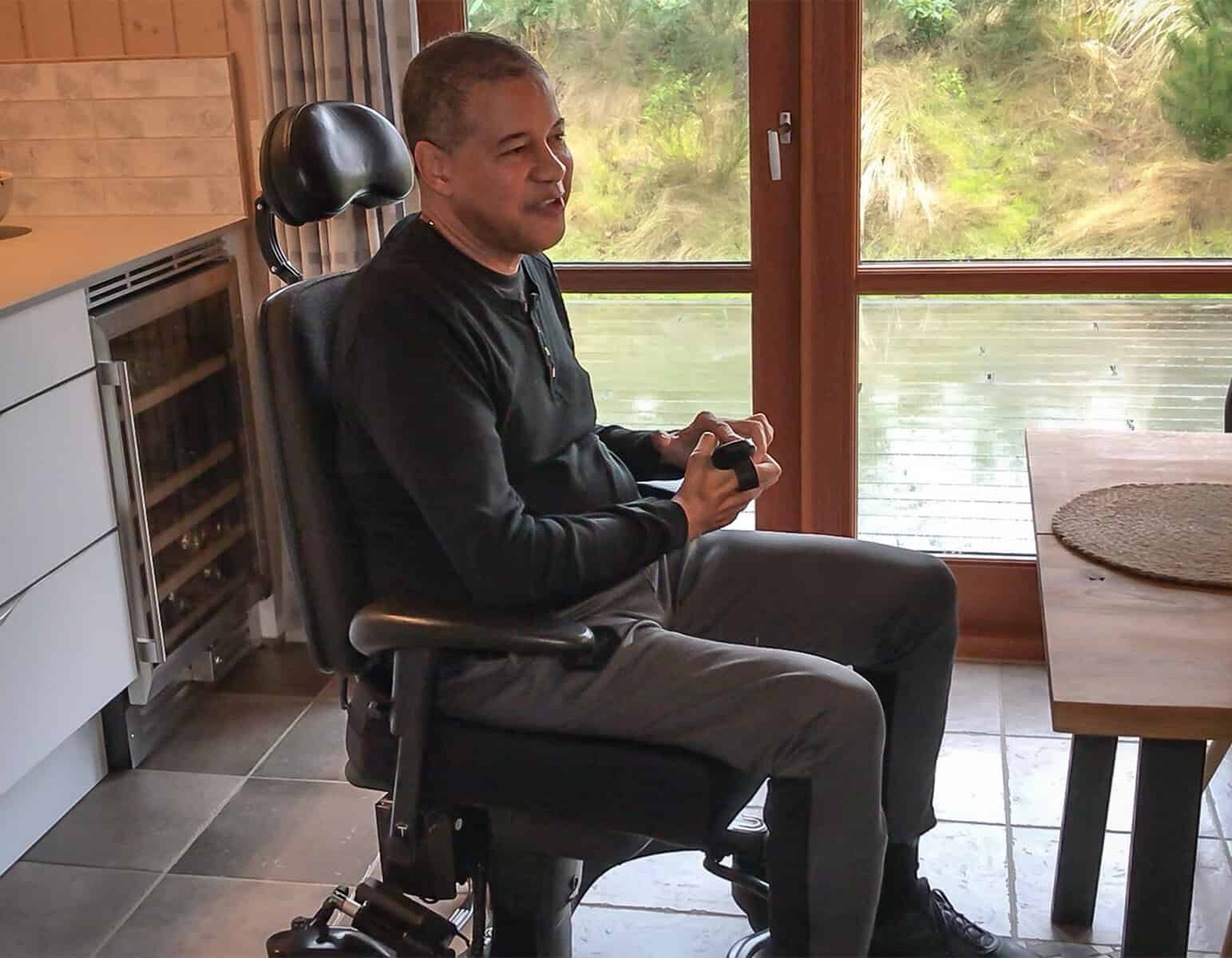
While nursing homes provide essential care for many seniors, supporting independence at home remains crucial for those wishing to age in place. One practical solution involves integrating specialized mobility aids, such as VELA mobility chairs. This medically approved seating system is designed to offer enhanced safety, freedom of movement while seated, and support for daily activities like cooking, dressing, or transferring—all while relieving some of the burdens from informal caregivers. VELA chairs facilitate an environment where seniors can maintain autonomy longer, aligning with the objectives of aging gracefully at home.
Technological advancements: Smart, connected, and accessible self-care
Advancements in assistive technology since 2025 have markedly transformed self-care. Modern mobility aids, including smart walkers and wheelchairs, now commonly feature integrated sensors for fall detection, GPS tracking, and AI reminders—enabling proactive fall prevention and remote family monitoring, which are vital for independence.
Wearable devices allow real-time monitoring of key health indicators such as heart rate, oxygen saturation, and glucose levels, fostering continuous awareness and early intervention. The mainstream use of such wearables, connected to telehealth and AI-driven platforms, supports personalized wellness plans and medication reminders tailored to each individual’s needs.
AI-powered personalization is being increasingly applied to daily health assessments and custom rehabilitation exercises, using pose estimation and adaptive feedback to optimize recovery and healthy aging. Robotic exoskeletons now provide ergonomic gait support, facilitating safer mobility and promoting prolonged independence. Emerging innovations presented at CES 2026 include vibration-guided glasses for the visually impaired and voice-activated controls for those with dexterity or vision challenges, making self-care more holistic and accessible.
Smart home technologies now extend to voice assistants for managing tasks, scheduling, and environmental controls, simplifying self-management and reducing cognitive load. These trends are contributing to a projected market growth in assistive and daily living technologies, expected to reach USD 57.9 billion by 2026, and they are crucial for reducing caregiver burden and enhancing seniors’ confidence to age in place.
Authoritative sources predict these tools will play a large role in connected, adaptive, and user-friendly solutions for independent living and self-care in the years ahead.
Societal support, accessibility, and user trends
Globally, the assistive device market for elderly and disabled individuals is expected to reach USD 70 billion by 2030, fuelled by rapid innovation and strong government initiatives to increase device affordability and access. Programs in diverse regions, such as India’s PM Divyasha Kendras and Singapore’s Enabling Village, highlight progress in making mobility aids and smart technologies more accessible to seniors.
A 2025 U.S. survey found that 94% of seniors wish to age in place, with nearly half indicating a greater sense of safety when using assistive technologies. Despite this, many homes still lack appropriate ergonomic modifications, underscoring the ongoing need for solutions like grab bars, stair lifts, and walk-in tubs—often aided by broader insurance coverage. Alongside these developments, ongoing challenges remain around digital literacy, data privacy, cost, and equitable access to the latest technologies, as widespread adoption will require addressing these ethical and accessibility concerns.
In conclusion, self-care is pivotal for elderly individuals aiming to sustain independence and enhance their quality of life. Effectively managing aspects such as physical activity, nutrition, technological support, and mobility solutions enables seniors to uphold autonomy and well-being. Endorsements from authoritative bodies like Fairfax County Family Services reaffirm the indispensable nature of sustainable self-care practices for seniors aging gracefully. Amplifying “self-care for elderly” and “self-care for seniors” is vital in nurturing an environment conducive to independent and thriving senior living.
References
- Consumer Affairs – Elderly Population Statistics
- AARP Research – Aging in Place Preferences
- Fairfax County Family Services – Self-Care Tips for Seniors
- First Light Home Care – Senior Exercise Benefits
- Deer Meadows Home Health – Nutritional Guidance for Seniors
- AANP: Top Five Health Care Trends for 2026 – Nurse practitioner-led insights on wearables, AI, and healthy aging
- BCC Research: Disabled and Elderly Assistive Technologies Market – Market analysis projecting growth in mobility and daily living aids through 2026
- AgeInPlaceTech: Ten Technologies from CES 2026 – Highlights AI rehab devices and accessibility innovations like Glasses for the Blind
- LeadingAge: 3 Trends in Senior Care Technology – Discusses in-home tech for aging in place and usability for seniors
- Cyces Blog – AgeTech Trends 2025 — AI, Robotics & Smart Home Solutions for Aging
- NextMSC Report – Disabled and Elderly Assistive Devices Market 2025–2030
- U.S. News & World Report – June 2025 Survey on Senior Aging in Place & Assistive Tech
- AskSamie.com Blog – Innovative Assistive Technology for Seniors in 2025
- The Good Life San Valley – 2025 AgeTech Showcases Latest Technology for Seniors
- PubMed Central – Integrating AI and Assistive Technologies in Healthcare (2025, Giansanti)