

Updated January 2026: We have updated the article with new findings on the mainstream adoption of AI-powered health monitoring, advanced wearable biometrics, robotics-assisted therapy, fall prevention systems, and permanent telehealth integration. The content now reflects the latest developments in personalized, technology-enabled home care and enhanced support for caregivers.
Right at Home Elderly Care: A Comprehensive Guide
As the world’s population ages, the need for quality in-home care solutions has reached new heights. For many seniors, aging in place is not just a preference but a necessity. According to the U.S. Census Bureau, the number of Americans aged 65 and older will nearly double by 2060, underscoring the crucial need for effective elderly care services. Among the top providers facilitating this transition is Right at Home, a company renowned for its versatility and comprehensive range of in-home care services.
Understanding Right at Home’s In-Home Care Services
Right at Home offers a broad suite of services tailored to support seniors in their homes. This includes companion care, personal care, and skilled nursing services, ensuring broad-spectrum support. New in-home care approaches now also regularly integrate advanced technologies—such as smart mobile aids, wearable health monitors, and telemedicine platforms—that enhance independence, safety, and wellness for seniors Heisinger Bluffs, 2025; Allseniors.org, 2026; K4Connect, 2026.
- Companion Care: Helps combat loneliness in seniors by offering social interaction and assistance with daily tasks like running errands or attending social events. Today, digital tools—including virtual assistants and companion robots—can support engagement and reduce isolation, supplementing traditional human interaction MyCare Concierge, 2025; Allseniors.org, 2026. Robotics are now used not only for engagement but also for mobility support and medication management. This service is crucial for maintaining mental health and preventing isolation.
- Personal Care: Goes beyond companionship by offering hands-on support with activities such as bathing, dressing, and managing medications. These services are vital for seniors who need extra help with personal hygiene and daily routines. Integration of personalized technology, such as wearable health trackers monitoring vital signs, smart toilet seats for real-time biomarker detection, and AI-driven fall risk prediction, ensures safety and a timely response to changes in condition ButterflyMX, 2025; K4Connect, 2026.
- Nursing Services: Right at Home distinguishes itself by offering skilled nursing care. This includes medical support for chronic conditions, post-operative care, and the management of medications and medical devices. Nursing care is now increasingly supported by telehealth—which has become a permanent and standard component of care delivery—remote patient monitoring, and AI-driven analytics. Real-time biometric sensors and predictive analytics identify early warning signs of health complications, helping to reduce hospitalizations and enable prompt interventions, while robotics-assisted therapy and edge AI safety systems enhance mobility training and incident prevention ButterflyMX, 2025; UnitedHealthcare Community & State, 2025; AANP, 2026.
To visualize the impact of these services, imagine a senior with dementia receiving customized care from Right at Home. Caregivers not only address the individual’s daily needs but also create a supportive environment that improves quality of life, as noted by Right at Home Services. With new integrated technology, individualized care plans today can also rely on live health data, predictive analytics, and behavior tracking. AI-driven systems allow interventions to be personalized to an individual’s health baseline, enabling more proactive and tailored support, and virtual therapy platforms provide real-time video guidance and motion tracking for safer at-home rehabilitation K4Connect, 2026.
Evaluating Right at Home’s Strengths and Challenges
Strengths
One of Right at Home’s core strengths lies in its personalized caregiver matching process. This attentive matching service pairs clients with caregivers based on their specific needs, preferences, and shared interests. The goal is to foster meaningful relationships that enhance the care experience.
The geographical accessibility is another major strength. With more than 700 offices across the U.S., Right at Home ensures services are within reach for most people needing them. The integration of medical and non-medical care allows for a robust, evolving care plan that adapts to client needs over time. The use of smart assistive technologies—such as intelligent wheelchairs with GPS, collision avoidance, voice control, and remote customization—further enhances the safety, comfort, and independence of those in care Everything Medical Online, 2025; Allseniors.org, 2026.
With technology now foundational to quality home care, the adoption of AI-powered continuous health monitoring, robotics for mobility and therapy, and ambient intelligence systems has curbed preventable incidents and improved both early intervention and daily safety at home K4Connect, 2026.
Challenges
However, the franchise model does bring challenges, notably variability in service quality. Each office is independently owned and operated, which can lead to inconsistencies in care. Some families report excellent experiences with certain locations, while others face mixed reviews. According to Consumer Affairs, the local service difference is significant, meaning prospective clients must research each specific office. Ensuring technology adoption and training across varied locations may present additional differences in the level of tech-enabled care delivered.
Technology adoption also introduces the requirement for staff training in new systems, and care quality can vary depending on how well local offices implement AI-powered and robotic supports. Caregiver support systems, including tools that reduce workload and provide real-time alerts, continue to evolve, but may not be uniformly available everywhere Allseniors.org, 2026.
Cost Considerations and Client Experiences
The cost of Right at Home elderly care services varies. Factors influencing cost include the care level, required service hours, and the client’s geographical location. According to The Senior List, while the financial aspect requires detailed discussion, understanding the cost structure and potential insurance coverage is critical for clear financial planning. Many families report successful experiences managing costs by conducting thorough initial discussions regarding fees and service terms, supported by reviews on platforms like Ultimate Care NY. Recent policy development—like expanded Medicaid enabling technology benefits—can also improve access to assistive devices and digital home care supports, potentially reducing overall costs and the need for institutional care UnitedHealthcare Community & State, 2025; Trust Home Care, Inc., 2026.
Navigating Your Elder Care Options: Making Informed Decisions
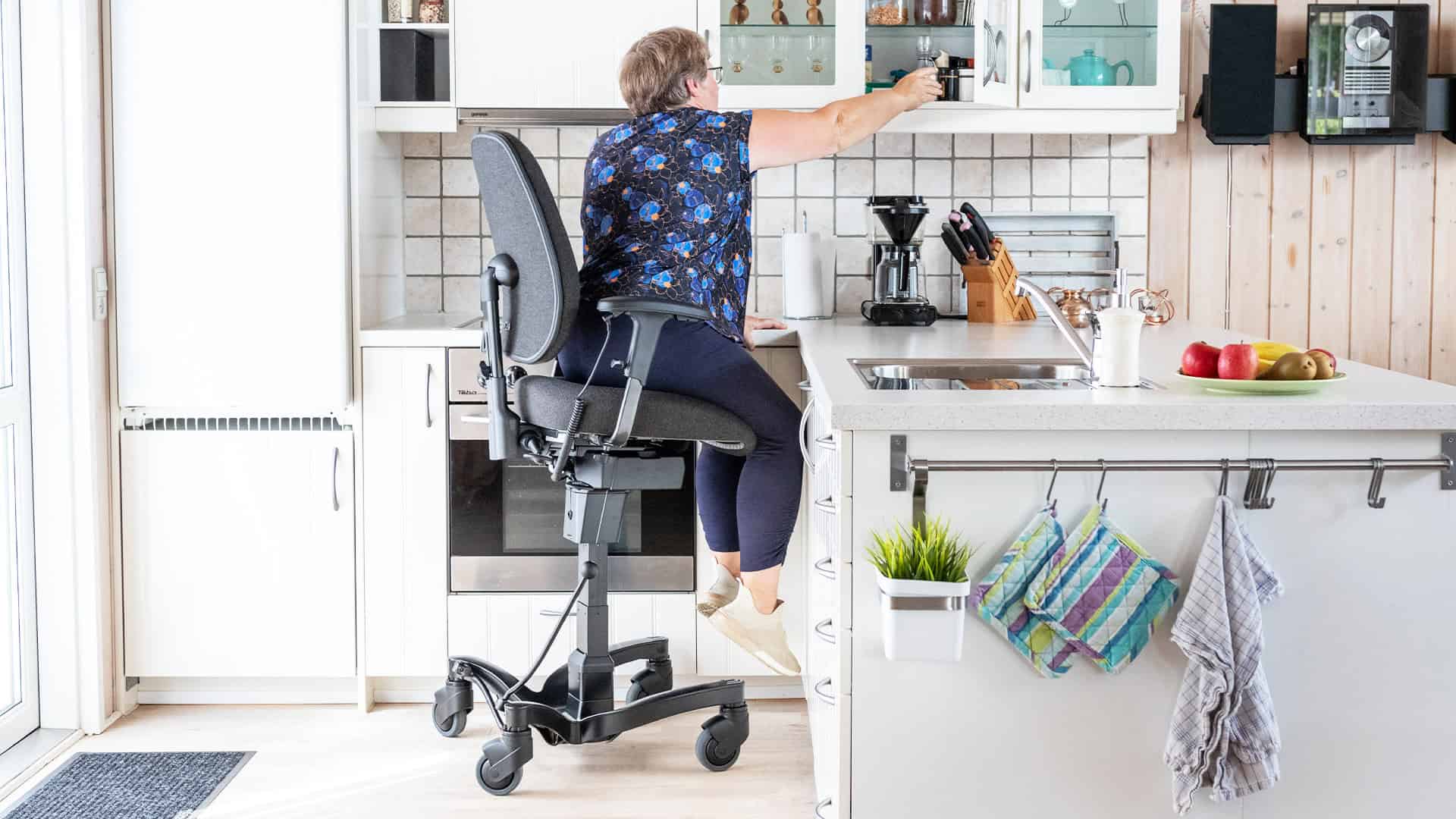
For older adults considering alternatives to nursing homes due to concerns about independence and personalized care, solutions like VELA mobility chairs offer a viable path. The VELA Independence Chair is a medically approved mobility chair designed for home use, providing enhanced safety, freedom of movement while seated, and support for daily activities such as cooking, dressing, or transferring. This assistance not only reduces reliance on informal caregivers but also empowers seniors to remain in their homes longer with comfort and dignity.
Advances in smart mobility devices now bring features including GPS-based navigation, adaptive seat settings, AI-driven behavior adjustment, and voice control for customization, significantly increasing user safety and comfort at home Everything Medical Online, 2025. These innovations align with the broader movement toward person-centered, technology-enabled care models that prioritize both independence and well-being Heisinger Bluffs, 2025; K4Connect, 2026; AANP, 2026.
Staying Independent at Home with Support
Exploring alternatives to nursing homes is crucial for individuals who value their independence and wish to remain at home as long as possible. Tools such as the VELA Chair can help extend this period. With features like a central brake for stability, electric height adjustability for ease of transfer, and the ability to glide while seated, VELA chairs address many challenges faced by aging individuals. These chairs allow seniors to perform daily tasks with greater autonomy, such as preparing meals or managing household chores, while conserving energy and maintaining safety. Adding smart technology—such as remote monitoring, continuous AI-powered health analytics, advanced fall detection calibrated to the user’s movement signature, and adaptive controls—further enhances safety and peace of mind for both users and caregivers ButterflyMX, 2025; Allseniors.org, 2026.
Implementing solutions like Mobility Chairs for Home not only enhances life quality but also delays the need for institutional care. Modern assistive devices are now designed with ergonomic and adaptive features that adjust to user behavior, and edge AI safety systems such as automated stove shutoff and adaptive lighting further prevent incidents. While VELA is one proven, practical solution, recognizing its role along with other supportive measures—and utilizing enabling technologies funded under updated policy initiatives—can significantly impact aging in place strategies, combining freedom and security for a dignified elder care experience K4Connect, 2026.
Heisinger Bluffs, 2025;
ButterflyMX, 2025;
Everything Medical Online, 2025;
UnitedHealthcare Community & State, 2025;
MyCare Concierge, 2025;
Allseniors.org, 2026;
Allseniors.org, 2026;
K4Connect, 2026;
Trust Home Care, Inc., 2026;
AANP, 2026