

Updated January 2026: No new research was available for this update. The article content and references have been reviewed for accuracy and remain unchanged, as no recent findings on assistive devices, technologies, ergonomic design, rehabilitation practices, or regulatory changes in elderly care were identified.
Enhanced Care Strategies in Montgomery General Elderly Care
Montgomery County, Maryland, is experiencing a demographic shift, with a rapidly growing senior population necessitating a comprehensive approach to elderly care. Montgomery County’s older adult population surged from just 6% in 1970 to 18% in 2023, with numbers expected to continue climbing, as detailed in the Montgomery Planning Board Report. This elevates the demand for services like Montgomery General Elderly Care, which offers a range of tailored solutions to accommodate this diverse and expanding demographic.
Montgomery County’s Evolving Senior Demographics
The senior population in Montgomery County is marked by both growth and diversity. The increase in residents aged 75 and older, particularly, necessitates unique care needs and strategies. According to Montgomery County Maryland Senior Resources, caregivers in Montgomery County must incorporate cultural sensitivities into their services, providing care respectful of diverse traditions and languages. This requires personalized care strategies that consider both age and cultural backgrounds of residents.
Comprehensive Home Care Options for Montgomery County Seniors
For seniors and their families, choosing between in-home care and assisted living is critical to maintaining quality of life. Montgomery County provides in-home care services ranging from basic assistance to comprehensive medical support, tailored to individual needs. The Montgomery County Maryland Senior Resources outlines options such as caregivers who assist with daily tasks, local meal delivery programs, and tech-enabled remote monitoring systems enhancing safety and independence. In line with recent advancements, many home care solutions are integrating digital assistive technologies such as smart, sensor-based mobility aids and wearable devices for real-time health monitoring, further supporting independence and well-being. Insights from families in the county highlight that these services are instrumental in preserving dignity and autonomy for seniors.
Specialized Memory Care Services for Alzheimer’s and Dementia
The rising prevalence of Alzheimer’s and dementia among the elderly makes specialized memory care indispensable. As stated by Montgomery County Health and Human Services, several skilled facilities provide effective cognitive care, using innovative approaches tailored to dementia patients’ unique challenges. Increasingly, these approaches incorporate digital tools, telehealth integration, and even AI-powered personalized rehabilitation programs to improve engagement and care outcomes. These facilities ensure safety while maintaining a quality of life that preserves as much autonomy as possible. For families facing memory-related health challenges, understanding and accessing these specialized care options is essential.
Aging in Place: Home Modifications for Safety and Independence
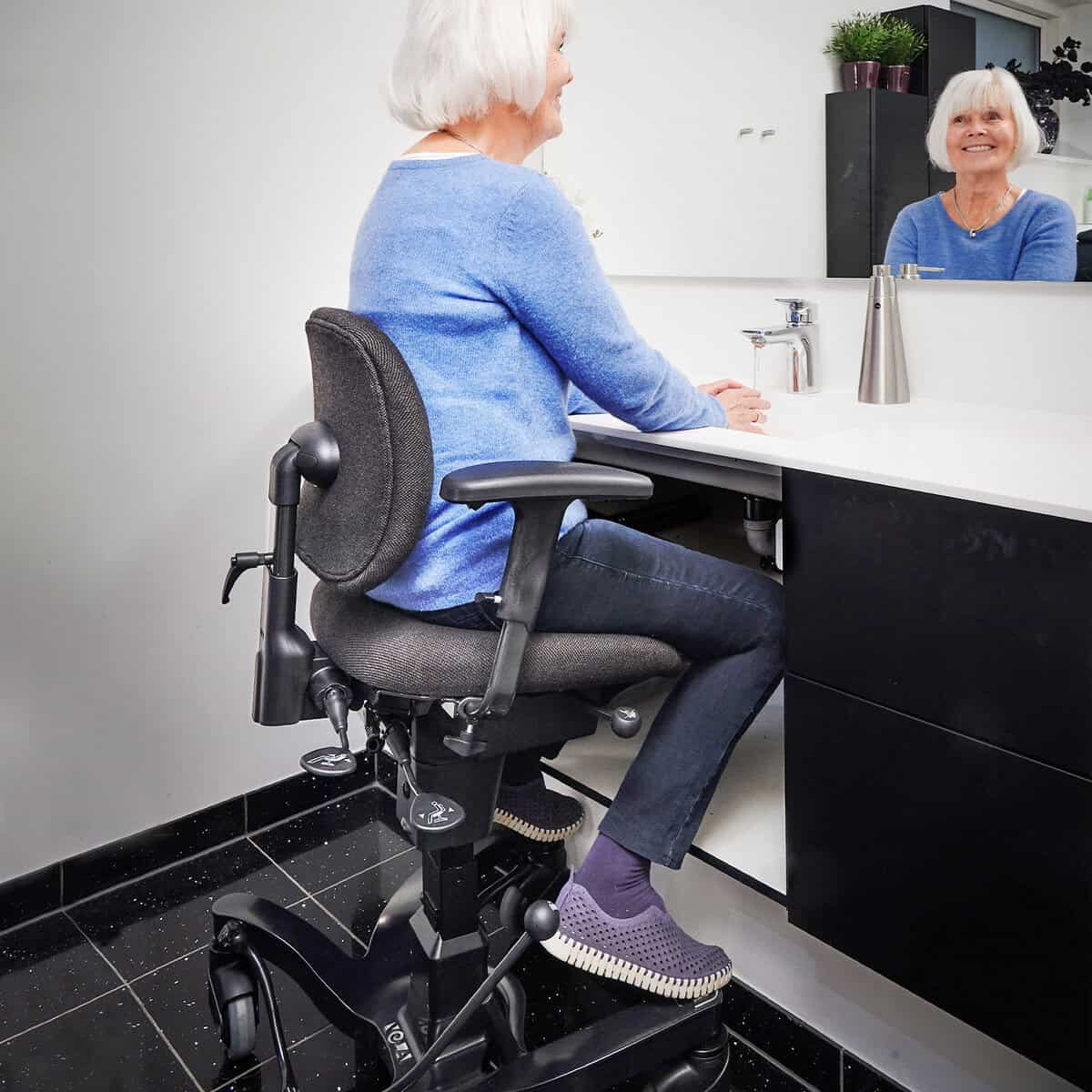
As constraints and challenges in nursing homes become more apparent, solutions that empower the elderly to maintain their independence within their own homes are increasingly important. For many, the ability to age in place brings comfort and dignity, supported by practical modifications to their living environments. An example of such a solution is the VELA Independence Chair, a medically approved mobility chair designed specifically for home use. This chair enhances safety and freedom of movement while seated and supports daily tasks such as cooking, dressing, and transferring. It also alleviates burdens placed on informal caregivers by reducing physical strain. Recent advancements in ergonomic and inclusive design now ensure mobility solutions like this chair are adaptive and modular, accommodating a broader spectrum of physical abilities and personal needs. Home modifications are increasingly designed using user-centric, inclusive design principles to support aging in place for as many seniors as possible.
Montgomery County’s rapidly growing elderly population underscores the importance of developing diverse and tailored care options. By integrating comprehensive home care services, specialized memory care, and essential home modifications for aging in place, the county can meet the varied needs of its senior residents. With updated clinical guidelines now emphasizing multidisciplinary approaches—including physical therapy, occupational therapy, cognitive support, and AI-driven tele-rehabilitation—elderly care is increasingly accessible and effective for those with mobility limitations. New regulatory standards further ensure that assistive devices are effective and safe for real-world use, and that caregiver training is comprehensive and aligned with best practices. Ongoing integration of user feedback informs continued improvement in both service and device design, staying responsive to seniors’ evolving needs. As emphasized by the Montgomery Planning Board Report, strategically approaching elderly care ensures that all residents receive the necessary support in their later years. With appropriate resources and a community-centered focus, Montgomery County can maintain an environment that respects and champions seniors’ dignity and independence.
References:
- Montgomery Planning Board Report – Demographic Profile
- Montgomery County Maryland – Senior Resources
- VELA – Mobility Solutions for Elderly
- VELA – Aging in Place Solutions
- PubMed – Assistive Technology Elderly 2025
- WHO – Assistive Technology and Inclusive Design 2025
- Mayo Clinic – Smart Home and Wearable Devices in Elderly Care 2025
- MedlinePlus – Assistive Devices and Telehealth Services
- Access Innovation and Rehabilitation Research Centers – University of Pittsburgh
- EU Health Authority – Medical Device Regulation Elderly Care 2025
- Harvard – AI and Robotics in Elderly Care 2025