

Updated February 2026: We have updated the article to reflect the latest advancements in AI-driven predictive monitoring, smart mobility aids, edge AI wearables for real-time fall detection, VR/AR rehabilitation, personalized remote health monitoring, ambient noninvasive sensors, and policy changes supporting remote care and telehealth for seniors in Chesapeake.
Senior Care Chesapeake: Navigating Elderly Care Options
Chesapeake, Virginia, with its distinctive demographic and economic characteristics, is seeing an increase in the need for senior care. With 14.08% of the population aged 65 years and older, families are actively seeking resources and options for high-quality senior care. According to Virginia Demographics, these statistics set the foundation for a comprehensive discussion on senior care needs in this thriving community.
Chesapeake’s Aging Community: Demographic Insights and Trends
Understanding Chesapeake’s senior population requires recognizing the age distribution and economic factors affecting their living conditions. The diverse senior cohort includes approximately 35,362 residents aged 65 and above, many of whom live independently or with minimal assistance. Their needs span from financial planning to social engagement and healthcare.
The socioeconomic support for seniors in Chesapeake is highlighted by a median household income of $94,189, which surpasses the state median. Despite the city’s low poverty rate of 8.69%, senior care remains crucial due to varying levels of necessary support. For example, imagine a senior couple living in Chesapeake, retired and utilizing local services for their medical appointments and errands. Maintaining their active lifestyle underscores the importance of tailored support services.
Comprehensive Care Options: From Home-Based Services to Residential Facilities
Exploring senior care options in Chesapeake reveals services catering to diverse needs:
- Home-Based Care Services: These range from personal care, homemaker services, to skilled nursing care, assisting seniors with daily tasks and health management. Home care aids seniors like Mrs. Thompson, who prefers living at home while receiving personalized nursing visits twice a week, ensuring medication adherence and vital sign monitoring. Telemedicine and remote health monitoring are now standard features of home-based care, offering virtual consultations, continuous tracking of health data through wearables, and ready access to both medical and mental health specialists, minimizing the need for travel and supporting well-being in the home environment. Recent innovations include AI-driven predictive monitoring, smart AI-enabled wearables for real-time fall or slumping detection, integration with telehealth platforms, and the use of ambient sensors that proactively manage safety (such as smart toilets and auto-shutoff stoves) without invasive camera surveillance.[1], [2], [3], [6], [7]
- Community-Based Support Programs: Offered through places like the Chesapeake Health Department, these programs are crucial for providing medical attention and social engagement, although specific program details need further elaboration. Many programs now benefit from smart home integration, using voice-activated AI assistants that tailor environmental settings based on health metrics, automated environmental controls, remote-access platforms for caregivers, and smart access management. Intuitive, noninvasive sensor technologies such as light-fixture occupancy sensors have gained popularity among seniors for boosting adoption and preserving dignity.[2], [3], [4]
- Residential Care Facilities: For intensive assistance, options include independent living communities, assisted living, memory care units, and nursing homes, each catering to specific care levels. Consider Mr. Wilson, a resident of an assisted living facility, benefiting from dedicated memory care services to manage his dementia symptoms while engaging in social activities. Facilities now routinely utilize predictive AI for fall and risk detection, noninvasive ambient sensors, robotics for routine mobility or social companion support, and advanced clinical-grade wearable sensors (including oxygen and heart monitoring) for proactive interventions. These technologies improve care quality, reduce care staff burdens, and lower unnecessary hospitalizations.[6], [7]
Enhancing Home Accessibility: Ergonomic Solutions for Senior Independence
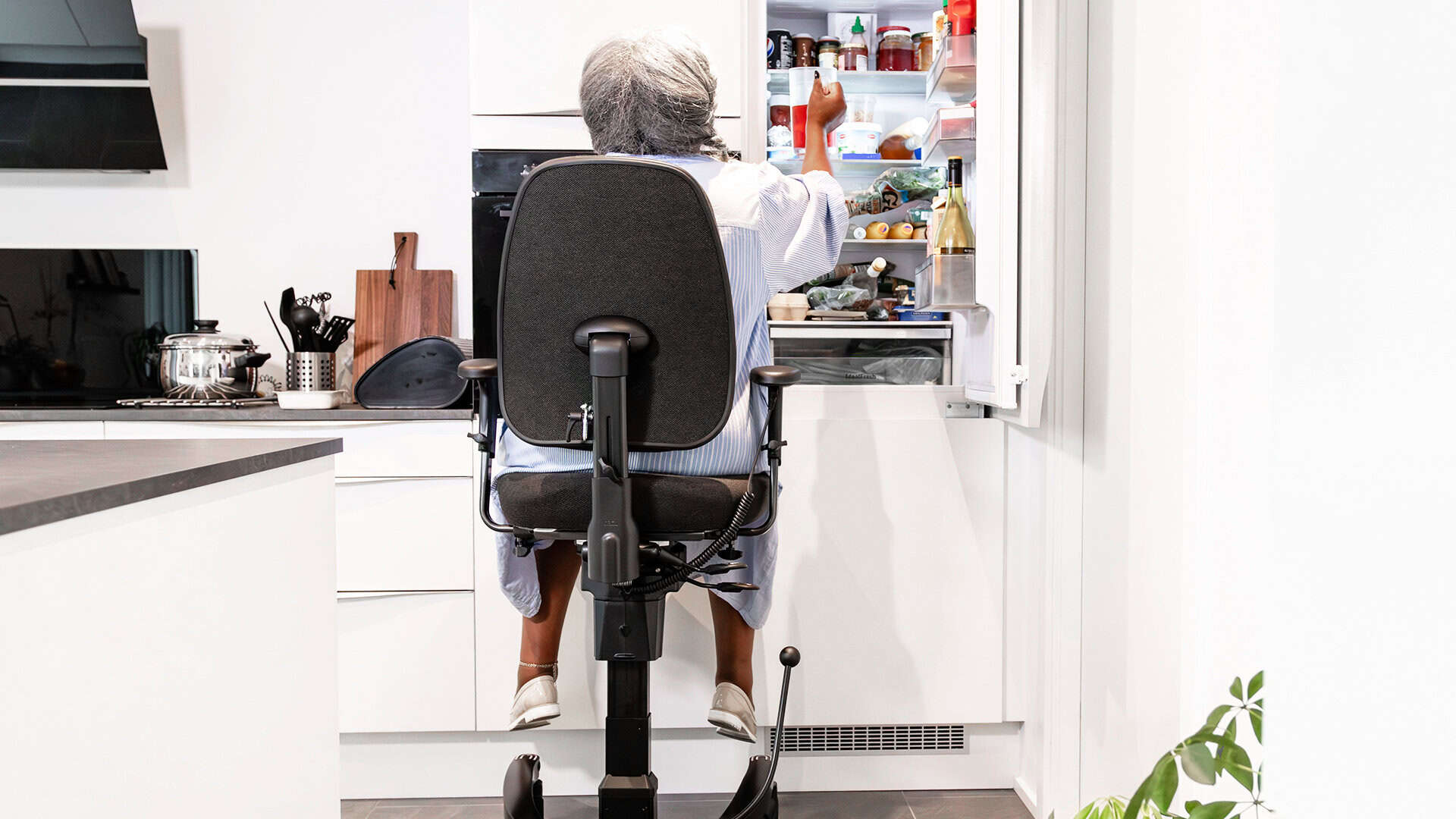
While traditional nursing homes offer comprehensive support, they may not be the preferred choice for everyone due to emotional and social implications. Many seniors wish to remain in their homes, embracing the environment they are accustomed to. Ergonomic solutions stand out in supporting this desire for independence. VELA, a medically approved mobility chair, is one exemplary solution designed for use at home. This chair enhances safety and freedom of movement while seated, allowing seniors to manage daily activities such as cooking, dressing, or transferring independently. Its design also reduces the physical demands on informal caregivers, making it an invaluable aid for both the elderly and their support network.
- VELA mobility chairs not only promote autonomy but also offer a layer of security through features like a central brake for added safety and electric height adjustability. Mobility Chairs for Seniors like these showcase how ergonomically sound design can prevent falls and foster a sense of independence. In addition, recent trends in mobility aids include the advent of AI-powered smart wheelchairs and adaptive assistive devices featuring GPS navigation, collision avoidance, real-time health monitoring, and voice control. The latest generation of smart mobility aids also emphasizes edge-AI processing for privacy, hyper-personalization to support varied abilities, and integration with systems that deliver data to caregivers or clinicians for timely, proactive intervention. Adaptive furniture (such as dynamic pressure-relief beds and adjustable seating) optimizes comfort, reduces pressure injury, and supports safe transfer at home. Technologies such as VR and AR are increasingly used for rehabilitation, balance training, and social engagement right from the living room.[4], [5], [4], [7]
Empowering Chesapeake’s Seniors: Making Informed Care Choices
As we explore diverse care options in Chesapeake, the importance of personalized care and strategic planning becomes evident. Families should assess individual needs, financial resources, and available services to develop comprehensive care plans for their elderly loved ones. Recent policy shifts promote mainstream insurance coverage for digital health and advanced DME (durable medical equipment), and caregiver training is increasingly focused on the safe and effective use of AI-integrated tools and platforms. Remote care coordination and hyper-personalized wellness plans, supported through telehealth and remote monitoring, address workforce shortages and complex chronic conditions, especially for dementia and post-operative recovery.[5], [6]
In conclusion, adaptive solutions like VELA chairs play an integral role in enhancing home accessibility and senior independence. They enable individuals to continue living engaged lives within their cherished communities. With new assistive technologies—ranging from smart home systems and mobility devices powered by predictive AI to VR/AR rehabilitation and embedded ambient sensors—families have an expanding array of supportive, discreet, and proactive options. For families navigating these decisions, organizations like Authoritative Elderly Care Recommendations provide guidance, ensuring informed and empathetic choices in senior care planning.
In a city with a growing senior demographic, providing care that accommodates individual needs and preferences is crucial. By leveraging available resources and innovative solutions, Chesapeake is well-equipped to support its aging population with dignity and respect.
References:
[1] How Technology Will Transform Senior Care in 2025.
[2] The Future of Senior Living – Trends to Watch.
[3] Senior Living Technology Trends 2025.
[4] The Latest Trends in Mobility Aid Technology for 2025.
[5] Senior Living Trends in 2025.
[6] Senior Living Industry Trends.
[4] 3 Trends in Senior Care Technology.
[6] Top Five Health Care Trends for 2026.
[7] Long Term Care 2026 Trends and Outlook.