

Updated February 2026: We have updated the article with new developments in AI-driven and modular assistive technology, including smart power wheelchairs, autonomous navigation add-ons, robotic transfer aids, and wearable safety solutions. The article now highlights how these innovations support independence, extend time at home, and bridge the gap between independent living, assisted living, and nursing home environments.
Understanding Senior Living Options: Making an Informed Choice
When choosing a living arrangement for older adults, understanding the differences between independent living, assisted living, and nursing homes is crucial. This decision significantly impacts the resident’s lifestyle, level of care, and financial planning.
According to A Place For Mom, the median monthly cost of assisted living is $4,995 nationally, while independent living comes in at $3,100 per month. Moreover, the National Institute on Aging highlights nursing homes as facilities offering comprehensive health and personal care services, typically at higher expenses due to the extensive medical care provided.
Independent Living vs Assisted Living vs Nursing Home: Core Differences
Independent Living is designed for seniors who are mostly self-sufficient but seek a community-like environment without the burdens of home maintenance. Residents enjoy social activities and amenities, while healthcare services are generally not included. For instance, Joanne, a vibrant 75-year-old, opted for independent living to enjoy a range of daily activities and social events without the hassle of yard work and home repairs.
Recent innovation has transformed assistive devices from static aids into integrated, AI-powered solutions. Conversational AI assistants, smart home integration, and adaptive devices now help seniors complete daily tasks, interact with their environment, and connect with others with greater independence and ease Think Beyond The Chair Cognitive Market Research LetsEnvision blog.
New research since 2025 has shown that modular, AI-enhanced mobility aids—including smart wheelchairs with obstacle detection and customizable seating, as well as retrofit navigation add-ons such as LUCI and WheelMove—enable users to remain independent for longer at home. Fall-prediction wearables and eco-friendly, compact walkers have expanded options for navigating living environments, making transitions between independent and assisted living smoother than before.Mobility Management Ability MT Australian Accessibility.
Assisted Living offers support for daily activities such as bathing and dressing, catering to individuals who need some assistance but not the intensive medical services associated with nursing homes. For example, David, who has mobility issues, transitioned from independent living to assisted living so he could receive help with daily tasks while still participating in community events.
Contemporary assisted living settings now leverage smart mobility devices—such as autonomous wheelchairs with obstacle detection and wearable health monitors—along with AI-powered alerts, to provide individualized support. These environments are being shaped directly by user feedback, ensuring that products and services are tailored for comfort, accessibility, and satisfaction. The use of integrated monitoring and environmental control makes assistance more adaptive and efficient Focus Care Market.us Media ATOB Volume 19.
Significant advances include the adoption of robotic transfer devices such as ReviMo Niko for safe bed-to-chair movement, wearable fall-prediction and haptic navigation tools, and multi-functional, eco-conscious designs that streamline personalized support. Modular and retrofit tech—like LUCI sensors and autonomous navigation attachments—allow many seniors to retain greater autonomy and delay transitions to higher-care facilities, acting as a bridge between independent living and assisted care.Mobility Management Australian Accessibility Ability MT.
Nursing Homes cater to those requiring extensive medical care and round-the-clock supervision. Residents often have significant health needs or cognitive impairments. According to NIH/NIA, assisted living is more suitable for those needing daily care assistance, but not the full-time medical care that nursing homes provide.
The latest practices in nursing homes now include the use of robotic exoskeletons, real-time pressure mapping, and collaborative control systems that assist with rehabilitation and daily function. Smart assistive devices are implemented to enhance autonomy and comfort where possible, while new funding options and insurance coverage are helping more residents access upgraded technology Equal Accessibility LLC Market.us Media.
Recent trends from CES 2026 further spotlight advances such as all-terrain power chairs and AI mobility bridges integrating seamlessly with autonomous vehicles, expanding safe transfer options for users even in nursing home settings.Mobility Management Ability MT.
Medical and Support Services: What Each Level Provides
Independent living primarily offers convenient living arrangements with various amenities, whereas assisted living includes personal care assistance such as medication management but lacks the full-time medical supervision of nursing homes. As noted by Medicare.gov, Medicare does not cover long-term stays in nursing homes, although it may pay for some ancillary medical costs. This makes understanding the financial implications crucial for planning.
Most recently, integrated AI assistants, wearable navigation systems, and Internet-of-Things (IoT) monitoring tools support health and safety in both independent and assisted living settings. These aid remote monitoring by caregivers or professionals, making it easier to age in place. Rehabilitation and daily training often involve wearable technology, VR/AR simulations, and shared-control mobility devices, reflecting a shift toward more participatory, technology-driven clinical practices LetsEnvision blog PMC JVIB 2025 Call for Papers.
The integration of AI-powered wearables, autonomous wheelchair controls, and robotic transfer aids is now recognized as not only enhancing support and safety but also reducing staff workload and fall risk.Ability MT Mobility Management Australian Accessibility.
Cost Comparison and Financial Planning
Evaluating financial implications is key when choosing between these care levels. Independent living is typically the most affordable, whereas nursing homes incur higher costs due to comprehensive care services. Financial aids like Medicaid can assist eligible nursing home residents in covering these expenses. For example, a couple could choose for one spouse to remain in independent living while the other transitions to a nursing home, ensuring each receives personalized care according to their needs and financial capacity.
The California Department of Social Services outlines the requirements for assisted living, emphasizing adequate staffing to meet residents’ needs, while nursing homes must adhere to stricter medical regulations.
Transitioning Between Levels of Care
Transitions between different care levels hinge on evolving needs. Continuing Care Retirement Communities (CCRCs) enable residents to age in place by providing a continuum of care. As health conditions progress, a resident might move from assisted living to a nursing home. Studies, such as those published in JAMDA, show that functional decline is more pronounced during transitions, often prompting the need for increased care.
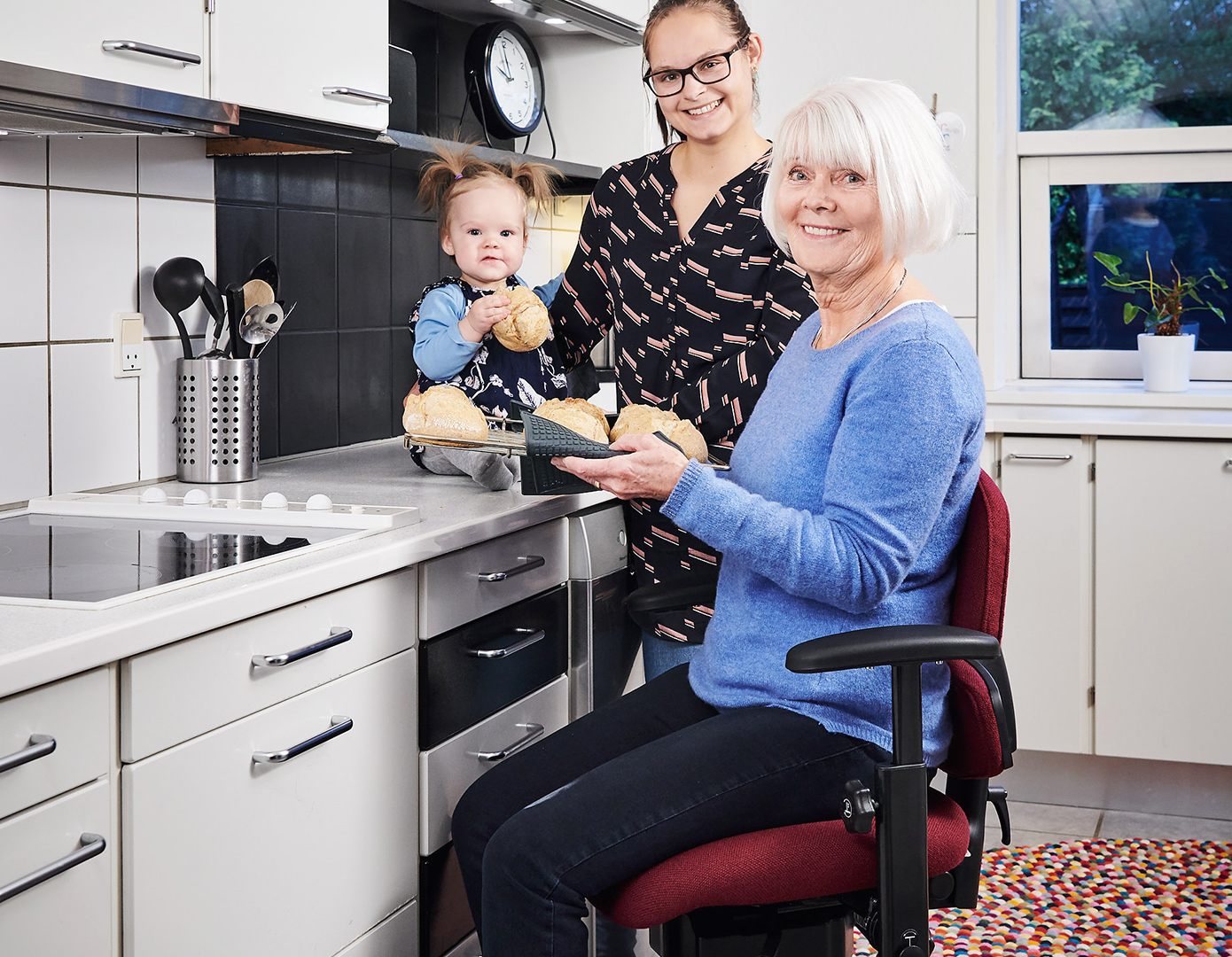
To support seniors in remaining at home for as long as possible and to tackle the challenges often associated with residential care settings, mobility aids such as the VELA Independence Chair offer practical solutions. These chairs are medically approved and designed to provide enhanced safety, facilitate movement while seated, and support daily activities such as cooking, dressing, and transferring. This can significantly alleviate the burden on informal caregivers by reducing the physical demands required for assisting someone with mobility challenges.
Recent advancements have expanded options for independence and interaction with new brain-computer interface-operated devices, AI-driven smart wheelchairs with autonomous features, and hands-free environmental controls. User-centered product development, with direct involvement from people with disabilities, is now standard in creating ergonomic and responsive aids, resulting in devices that are more comfortable and better-suited to user needs Ability MT ATOB Volume 19.
Since 2025, wearable fall sensors, smart power chairs with app-based navigation, and robotic transfer lifts have provided greater safety and control, helping residents remain at home or delay entry to higher care settings.Mobility Management Australian Accessibility.
Making the Right Choice for Senior Living
When considering “independent living vs assisted living vs nursing home,” it’s essential to factor in personal care needs, lifestyle preferences, and financial capacity. Recommendations from the National Institute on Aging suggest selecting accommodations aligned with individual health and autonomy desires. Prioritizing informed decisions can enhance the quality of life for seniors, ensuring they enjoy their later years with dignity and adequate support.
Current guidance increasingly recommends considering adaptive and AI-driven technologies when choosing living arrangements. These innovations may extend periods of safe, independent living and reduce reliance on institutional care by providing real-time assistance, environmental adaptation, and enhanced access to home and community resources Think Beyond The Chair Market.us Media Lumibility – World AT Day 2025.
The availability of smart, modular mobility aids and AI-driven devices now plays a critical role in bridging the gap between independent living and higher-care environments. Policy developments have improved insurance coverage and funding for durable medical equipment, while eco-friendly and adaptable designs are helping users remain engaged and independent across residential settings.Ability MT Mobility Management.
Supporting Aging in Place: A Practical Option
The VELA Independence Chair is a remarkable innovation that helps seniors maintain their independence at home by addressing the issues of safety, energy conservation, and ease of movement. With features like a central brake for safety, electric height adjustability, and the ability to glide while seated, the VELA Chair helps delay the move to a nursing home. It supports individuals in daily tasks such as cooking and cleaning, offering the physical assistance needed to preserve independence and dignity. Mobility Solutions for Independent Living such as the VELA Chair demonstrate that living at home is a viable option for many seniors, reducing the need for intensive caregiving and enhancing their overall quality of life. While the VELA Chair is a standout solution, it is one of many options available to support aging in place effectively.
Seniors today benefit from a growing ecosystem of assistive solutions that integrate with mainstream consumer electronics and smart home systems. Innovations such as AI-powered smart glasses for real-time environmental feedback, haptic wearables for navigation, and voice-activated controls are increasingly affordable and accessible. Charitable grants, expanded insurance support, and new funding opportunities are also helping more users obtain these advanced technologies, supporting greater independence and reducing barriers to aging in place Focus Care Equal Accessibility LLC Lumibility – World AT Day 2025.
Recent highlights from CES 2026 include compact, multi-terrain power chairs and robotic transfer aids like ReviMo Niko, with policy trends now encouraging insurance coverage for modular assistive devices and support for eco-friendly designs, further empowering seniors and caregivers to pursue aging in place.Mobility Management Australian Accessibility.
References:
[1] Think Beyond The Chair (2025)
[2] PMC – National Institute of Health
[3] Cognitive Market Research
[4] Focus Care
[5] LetsEnvision blog
[6] Equal Accessibility LLC
[7] Market.us Media
[8] Ability MT
[9] Assistive Technology Outcomes and Benefits Volume 19
[10] JVIB 2025 Special Issue Technology
[11] Lumibility – World AT Day 2025
[12] Mobility Management
[13] Ability MT
[14] Australian Accessibility