

Updated February 2026: We have updated the article to reflect key 2026 trends in senior care, including smart mobility aids with health monitoring, AI-powered home safety and predictive analytics, innovative medication management systems, robotics in daily care, expanded telehealth access, and personalized, AI-driven wellness programs.
Comprehensive Guide to Assisted Living in Anderson, Indiana
In the peaceful city of Anderson, Indiana, selecting the appropriate senior care is crucial for families and their elderly loved ones. With 19.28% of the population aged 65 and older, there’s a significant demand for senior care facilities in this area. This trend reflects the growing need for aging-supportive communities.
Exploring Assisted Living Options in Anderson
Anderson offers a variety of assisted living facilities tailored to different needs and lifestyles, including institutions like Sugar Fork Crossing and Primrose of Anderson. It’s essential to distinguish assisted living from other types of senior care, such as nursing homes or independent living. Assisted living facilities provide services that help with daily activities while promoting independence, serving as a middle ground between in-home care and full-time nursing.
Facilities in Focus
- Sugar Fork Crossing: Residents are provided with healthcare support, daily activities, and a vibrant community atmosphere. A typical day might start with a leisurely breakfast, followed by scheduled fitness classes, social outings, and enjoying the serenity of the memory care garden. Details of amenities can be found at A Place for Mom.
- Primrose of Anderson: Known for its spacious apartments and comprehensive care, Primrose offers sophisticated social events and has a 24/7 on-site nursing staff, ensuring both independence and security. More information is available at Primrose Retirement.
Financial Planning for Senior Care in Anderson
Understanding the financial landscape is key to making an informed decision. In Anderson, the average cost of assisted living ranges from $3,860 to $4,645 monthly, slightly above the state average of $3,843 but below the national average of $4,546. Financial assistance and benefits, particularly for veterans, play a critical role since approximately 20% of Anderson’s seniors have served in the military. For more insights, visit Paying for Senior Care.
Consider the case of a veteran in Anderson who effectively utilizes available benefits to reduce living expenses. By combining Veterans Aid & Attendance benefits with personal savings and a well-researched financial plan, the cost of quality care at facilities like Primrose becomes manageable.
Assessing Facility Quality and Suitability
Choosing the right facility requires careful evaluation of various factors:
- Staff Qualifications: Ensuring that staff members are well-trained and have passed rigorous background checks is essential.
- Regulatory Compliance: Facilities must comply with health and safety regulations and undergo regular inspections.
- Proximity to Medical Facilities: Being close to local hospitals like Ascension St. Vincent Anderson is crucial for emergencies.
For example, a family chose Primrose of Anderson due to its comprehensive care options and favorable staff-to-resident ratio. The family’s decision was further influenced by regulatory compliance and the personalized care plan that met their unique needs, as stated by Caring.com.
Maintaining Independence with Innovative Solutions
Adapting to the latest advances, assisted living now features smart mobility aids like powered wheelchairs and scooters with built-in advanced sensors and GPS tracking, providing real-time health monitoring accessible through smartphone apps. Clinical-grade wearables are increasingly used to monitor heart rhythm, oxygen saturation, and provide fall impact analysis, moving beyond standard fitness tracking. These solutions give seniors and caregivers robust tools for health and safety management.[1]
Innovative smart home ecosystems—such as AI-enabled thermostats, voice-controlled lighting, and motion-activated appliances—are now standard in assisted living and private residences, significantly reducing fall risks and enhancing accessibility regardless of resident abilities. Predictive analytics platforms anticipate health risks—including falls and medication nonadherence—enabling timely intervention and proactive support.[2]
Personalized wellness programming now leverages AI to adapt recommendations based on residents’ health records and real-time activity levels. Robotics are increasingly common in care settings, assisting with mobility, routine tasks, and medication delivery, addressing workforce shortages and improving resident wellbeing.[1]
Smart pill dispensers equipped with automatic reminders, dose tracking, and family alert features support adherence to medication regimens, while integrated telehealth allows virtual medical consultations and remote patient monitoring, with extended federal coverage currently in place.[9]
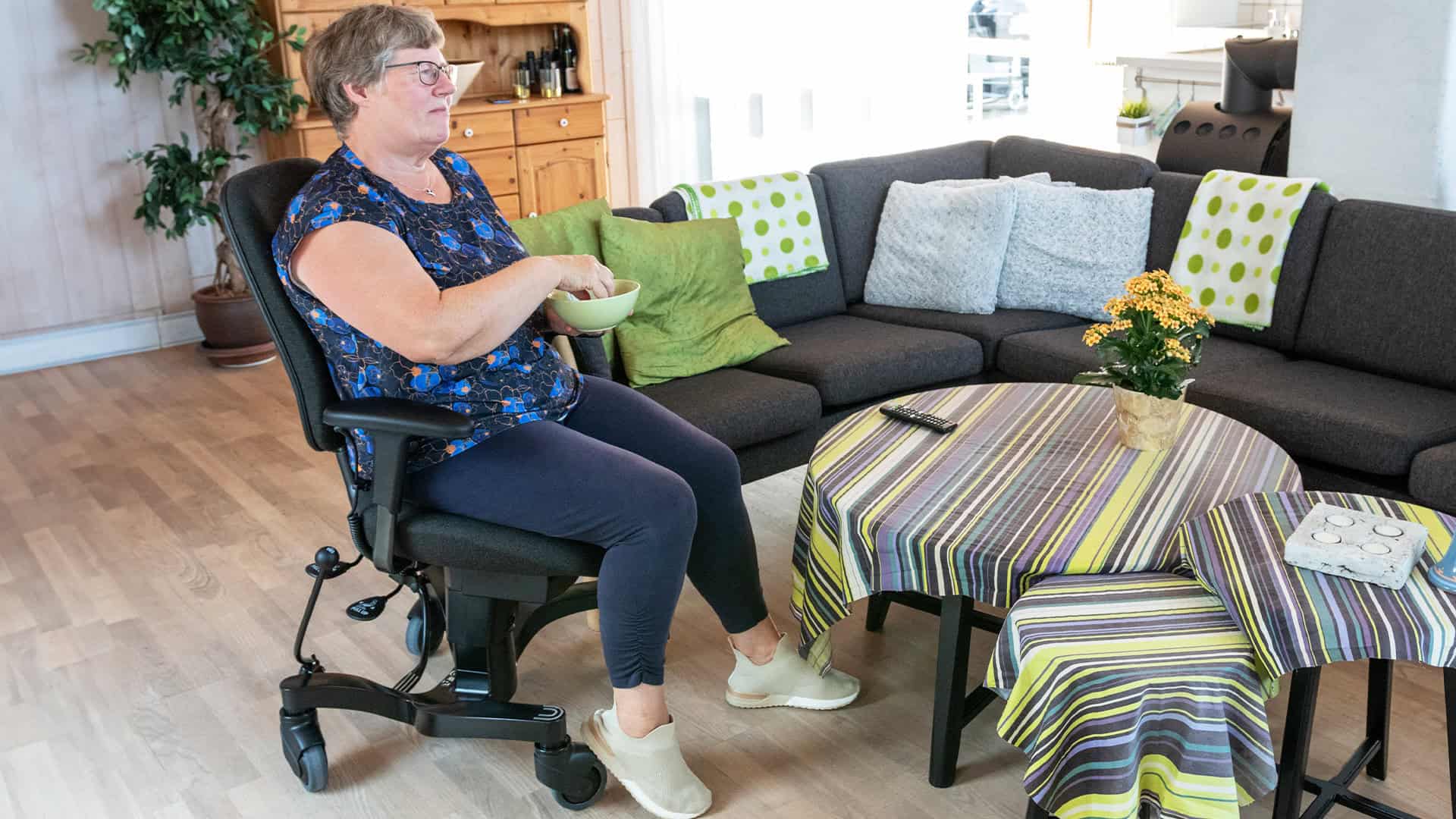
Technology concierge roles are growing within senior communities to assist residents in maximizing device benefits and overcoming barriers to adoption. High-quality mobility aids like the VELA chair maintain comfort and ease of movement, allowing for dignified, independent living and reducing caregiver workload.
Supporting Aging in Place: A Practical Option
Mobility solutions such as the VELA Chair empower seniors to extend independence, providing safety features like a central brake system, electric height adjustability, and smooth movement while seated. These aids, combined with AI-powered ambient sensors for real-time safety monitoring and access to telehealth consultations, enable proactive, multidimensional support that can delay nursing home transitions.[2]
For example, a senior in Anderson may navigate their home confidently using a VELA Chair while being discreetly monitored for falls or health concerns, with medication reminders provided by smart dispensers. These combined technologies are helping shape a new era of senior living—one focused on proactive, personalized, and dignified aid for residents and relief for caregivers.[8]
To learn more about supportive furniture tailored to seniors’ needs, visit Senior Living Solutions.