

Updated February 2026: We have updated the article with new insights on 2026 trends in assisted living technology, including the growth of AI-powered health monitoring, smart mobility devices, integrated telehealth, and enhanced accessibility features. This update highlights recent advances in virtual reality rehabilitation, smart medication management, and the increasing adoption of AI among older adults to support independence and quality of life.
Assisted Living Well: A Comprehensive Guide to Enhancing Quality of Life
In the ever-evolving landscape of senior care, “assisted living well” symbolizes a holistic approach that prioritizes overall wellness and quality of life in senior communities. According to the Centers for Disease Control and Prevention (CDC), over 811,500 people reside in assisted living communities across the U.S., with the majority aged 85 and older. This article explores what it means to live well in assisted living, emphasizing supportive environments, health services, and the dignity of independence.
What Is Assisted Living Well? Understanding Key Concepts
Assisted living well encompasses supportive care and wellness services that ensure residents thrive physically, emotionally, and socially. Unlike nursing homes that provide intensive clinical care, assisted living focuses on assisting with daily activities, fostering autonomy while offering a structured yet adaptable lifestyle. The goal is to create environments where maintenance-free living and personalized care coexist smoothly, as highlighted by Where You Live Matters, an authoritative industry resource.
Consider the experience of Mrs. Johnson, a resident in an assisted living community who transformed her life through personalized care plans and engaging social activities. Her experience exemplifies the values of assisted living well—a blend of care, community, and independence.
Levels of Assisted Living Care: Choosing the Right Support
Selecting the appropriate level of assisted living care is crucial. According to Brookeville House’s comprehensive guide on Maryland’s levels of assisted living, care is typically classified into three levels:
- Basic Care: Minimal help with activities of daily living (ADLs).
- Moderate Care: Includes assistance with medication management and mobility.
- High Care: Offers comprehensive support with 24-hour supervision.
These levels ensure tailored solutions for evolving health needs, maintaining dignity and independence as core principles, as outlined by the Maryland Department of Aging.
Consider Mr. Thompson, who transitioned from moderate to high-level care when his mobility needs changed. His progression underscores the importance of flexible care plans that efficiently and respectfully meet individuals’ needs.
Wellness, Safety, and Social Engagement in Senior Communities
Promoting wellness in assisted living involves integrating safety features and fostering social interactions. A 2024 study in a peer-reviewed journal reveals that seniors’ quality of life improves significantly with enhanced safety and socialization. Adaptive equipment, such as VELA chairs, plays a pivotal role here, facilitating mobility and reducing fall risks.
Recent advancements have accelerated in 2026, shifting from isolated devices to connected, AI-powered assistive ecosystems that support both physical and cognitive wellness. Senior care environments now increasingly use smart mobility devices, including voice-controlled canes, AI-adapted walkers, and smart home sensors for comprehensive monitoring.[1] The adoption of AI-powered health monitoring wearables has grown, enabling real-time health insights, proactive fall detection, and streamlined communication with caregivers.[6]
AI-driven predictive analytics are now regularly used to anticipate adverse health events like falls or hospitalizations, supporting a more proactive approach to care planning.[8] Accessibility innovations have also expanded, including voice-activated controls, adaptive smart home technology, and gesture-controlled devices, making daily living more inclusive for seniors.[2] [7]
Additionally, new trends include telehealth integration directly within durable medical equipment, as well as the use of virtual reality for physical therapy engagement, keeping seniors motivated during rehabilitation.[2] Smart medication management systems have gained traction to help address adherence challenges and provide reminders or alerts, supporting safe and independent medication routines.[2]
Despite this progress, barriers to widespread adoption remain, especially in digital literacy. Adults aged 50 and older have shown a rapid increase in AI adoption, rising from 18% in 2024 to 30% in 2025, particularly for health-monitoring applications. However, ongoing technology support and user training—including tech concierge services and easy-to-use design—are key to maximizing the benefits for every resident.[3]
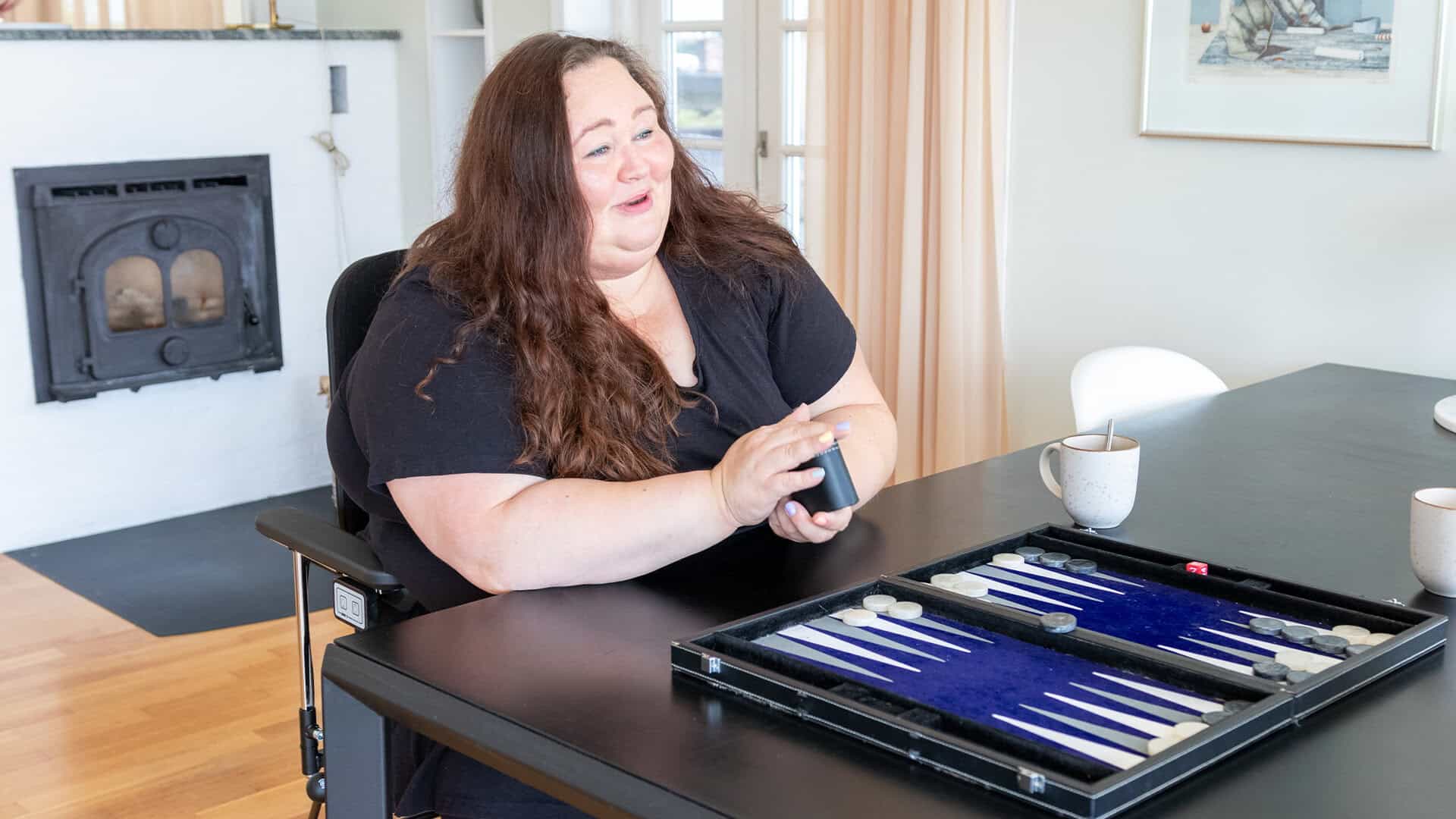
In addressing the challenges faced by older adults who wish to maintain independence while preventing the need for more intensive nursing care, innovative solutions are instrumental. VELA represents a critical advancement in these efforts. This medically approved mobility chair is specifically designed for home use, providing enhanced safety and freedom of movement while seated. VELA supports daily activities such as cooking, dressing, or transferring and reduces the load on informal caregivers. Mobility solutions for seniors living at home like these can greatly influence the quality of life and wellbeing of elderly individuals.
Consider Mr. Brown, who uses adaptive furniture like VELA chairs to maintain his independence. Such innovations empower residents to engage actively in community life, balancing safety with freedom.
Understanding Costs, Insurance, and Financial Planning
Financial planning for assisted living requires a clear understanding of costs. In Maryland, the average monthly expenses vary by care level, from $4,200 for basic care to $7,500 for high care. Funding options include long-term care insurance and Medicaid assistance, detailed in the Maryland Department of Aging’s guide.
With the increasing integration of advanced technology in senior living, costs are rising, and technology investment has become both a necessity and a differentiator in the field.[3] While some insurance programs, such as Medicare and Medicaid, are expanding supplementary coverage for home mobility aids and select assistive devices, cost and access remain concerns, particularly for lower-income seniors.[3]
The Smith family demonstrates that navigating these financial avenues can be complex, but with informed planning, it can be successful. They thoughtfully planned their financial journey, ensuring their loved one received the necessary care without financial strain.
Choosing the Right Path for Assisted Living Well
When choosing the right assisted living community, balancing care and independence is critical. According to Where You Live Matters, understanding the nuances of each facility’s offerings and aligning them with your loved one’s needs can make all the difference. This journey—while challenging—can be deeply rewarding, ensuring peace of mind for families and a fulfilling life for residents.
As the landscape of senior care continues to evolve, understanding and implementing the principles of “assisted living well” helps foster environments where seniors can thrive in dignity and health, living their autumn years to the fullest.
Supporting Aging in Place: A Practical Option
Recent data shows that a vast majority of seniors (94%) wish to age in place, which is fueling demand for robust assistive technologies and practical home modifications.[3] However, many homes are still not adequately prepared for the needs of aging residents. Advanced telemedicine platforms, real-time health monitoring via wearables, and integrated home automation now support safe, independent living, providing access to care and monitoring while minimizing the need for in-person visits.[1] [2]
Tools like the VELA Chair play a vital role within these integrated environments. With features such as a central brake system, electric height adjustability, and safe maneuverability, these ergonomically designed chairs help prevent falls and make daily activities safer and less fatiguing. Utilizing such inclusive and adaptive products empowers seniors to participate actively at home and in the community, potentially delaying or preventing the transition to a nursing home. While VELA is one of many solutions, its combination of safety, comfort, and independence makes it a practical choice for supporting elderly autonomy. Assistive devices that make daily tasks easier for seniors are increasingly critical in empowering seniors to age in place safely and gracefully.