

Updated February 2026: We have updated the article with the latest findings on smart mobility aids, AI-powered wheelchairs, modular rehabilitation devices, and eco-friendly, multi-functional assistive technologies. Updates clarify how these innovations increase independence and safety in both assisted living and skilled nursing, highlight new insurance coverage trends, and reflect user-reported improvements in comfort and fall prevention.
Assisted Living versus Skilled Nursing: A Comprehensive Guide
Choosing the right care for elderly individuals is a complex and crucial decision, often determined by the balance between the need for support and the desire to maintain independence. As the elderly population continues to grow amidst increasing chronic conditions, understanding the distinctions between assisted living and skilled nursing becomes indispensable. According to Medicare.gov, Medicare typically covers skilled nursing care, but not assisted living, making this financial aspect essential in care planning.
Understanding Assisted Living: Promoting Independence with Support
Assisted living facilities are designed to support seniors with activities of daily living (ADLs) such as bathing, dressing, and medication management, while promoting their independence in a community setting. These environments offer residents diverse opportunities for socialization through communal activities, which are crucial for maintaining autonomy and social engagement. According to CDC Healthy Aging, maintaining independence is a critical component of healthy aging.
Recent advances in assistive technology are further enhancing independence in assisted living. Smart mobility aids such as AI-powered wheelchairs with autonomous navigation, sensor-based fall prediction, and devices that make real-time adjustments for posture or terrain are becoming common. These chair and walker innovations now include Internet of Things (IoT) connectivity and modular add-ons—such as LUCI sensors or the WheelMove attachment planned for release in 2026—that detect obstacles and prevent accidents before they occur.
AI-driven accessibility tools—including voice-activated home controls and adaptive input devices—help residents manage routines with less need for hands-on caregiver support, strengthening both safety and autonomy. These developments also allow residents with higher medical needs to remain in assisted living longer, potentially reducing the need for transfer to skilled nursing for short-term interventions.
For examples and trends, see AllSeniors.org and AbilityMT.
Consider Mrs. Smith, an 82-year-old resident at an assisted living facility. With access to group activities like painting classes and the freedom to manage her daily schedule, Mrs. Smith thrives, highlighting how these settings balance autonomy and necessary support. With the latest smart assistive technologies like sensor-equipped walkers and automated reminders, residents like Mrs. Smith experience greater confidence and safety in their community life.
For further examples, see Be Accessible.
Understanding Skilled Nursing: Comprehensive Care for Complex Needs
Skilled nursing facilities provide around-the-clock medical care and supervision for individuals with severe health conditions. These facilities are equipped to handle complex medical needs by offering comprehensive care that includes rehabilitation services and tailored medical interventions. The National Institutes of Health (NIH) emphasizes the importance of intensive therapy in recovery processes.
Innovations in skilled nursing now feature AI-powered rehabilitation tools and smart mobility equipment. Modular, medical-grade devices—including robotic transfer aids, multi-terrain wheelchairs like the new XSTO X12, and advanced exoskeletons—are improving recovery outcomes. AI systems embedded in equipment predict falls, optimize patient schedules, and adapt to each resident’s capabilities, reducing caregiver strain and personalizing therapy. Many of these innovations, such as MaaS-Bridge mobility hubs and compact, eco-friendly medical devices, are designed for both safety and space efficiency.
Recent coverage and funding expansion also make such “Durable Medical Equipment” more accessible, and user feedback consistently reports gains in comfort, confidence, and engagement with therapy.
See AbilityMT and Mobility Management for emerging device and rehabilitation trends.
Take Mr. Johnson, a 75-year-old man recovering from hip surgery at a skilled nursing facility. With round-the-clock medical care and daily rehabilitation focused on restoring mobility and independence, Mr. Johnson benefits from the integration of smart wheelchairs, fall-detection wearables, and modular transfer lifts, supporting a faster and safer recovery. These next-generation devices frequently reduce injury risk, as confirmed by data on fall reductions in AI-assisted facilities.
See WHO Fact Sheet and AllSeniors.org.
Making the Right Choice: Assisted Living vs. Skilled Nursing
Deciding between these two types of care involves considering factors such as medical needs, level of independence, and financial capacity. According to Medicare.gov, financial planning plays a crucial role, given that Medicare covers skilled nursing but not typically assisted living, which often requires private funding.
Insurance policies and public funding increasingly cover smart mobility aids and rehabilitation equipment as “Durable Medical Equipment,” significantly reducing personal expenses for residents in both settings.
The availability of customizable, eco-friendly devices—ranging from sensor-integrated canes that help prevent falls, to compact aids for assisted living apartments—allows a more tailored approach. User feedback highlights improvements in comfort, sense of control, and engagement in daily life compared to static, one-size-fits-all solutions.
For more information on coverage and new technology listings, see AllSeniors.org and Mobility Management.
For instance, Ms. Brown, who enjoys a degree of independence but needs aid with medication management, finds that assisted living, paired with a smart alert system, perfectly matches her needs. Meanwhile, Mr. White, who has complex medical needs post-stroke, safely uses AI-enabled power chairs and ergonomic transfer aids that protect caregivers and himself. In both scenarios, technology bridges care levels and ensures a more inclusive, active, and safe living environment for all.
See AbilityMT and AllSeniors.org.
Enhancing Elderly Mobility and Safety with VELA Chairs
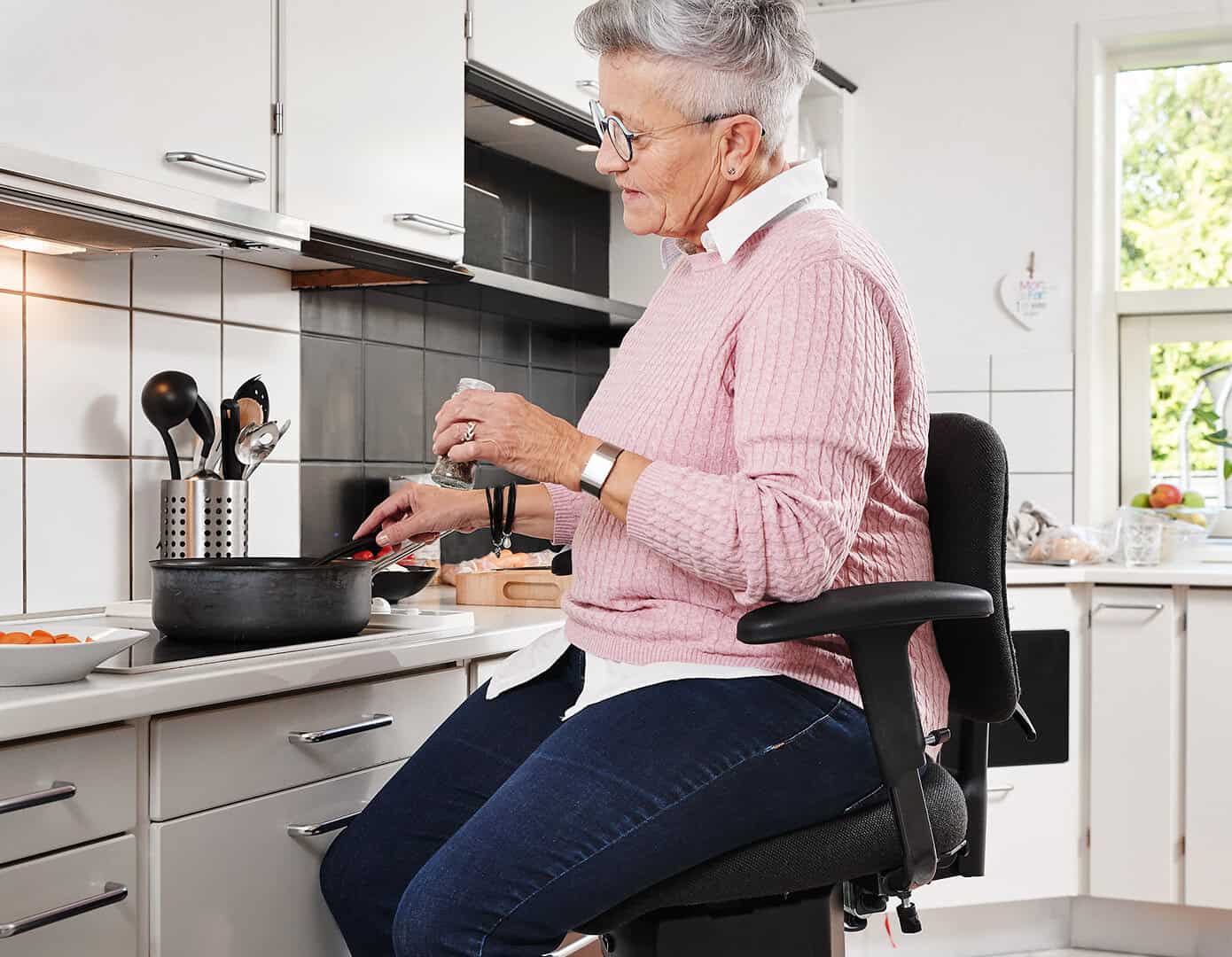
In both assisted living and skilled nursing environments, the challenges of maintaining mobility and ensuring safety are significant. As families and individuals explore options to enhance elderly independence at home, specialized solutions become crucial. VELA chairs represent one effective approach; they are medically approved mobility chairs designed primarily for home use. These chairs provide enhanced safety, freedom of movement while seated, and robust support for daily tasks such as cooking, dressing, or transferring, all while reducing the caregiving load on informal caregivers.
For more information, see the VELA Chairs website.
Latest user feedback and device trials show improved safety and quality of life with ergonomic enhancements and smart add-ons in these chair designs.
See AllSeniors.org.
The experience of Ms. Green, who uses a VELA chair to maintain her daily routines safely and effortlessly, illustrates how advanced mobility solutions contribute to better quality of life.
Supporting Aging in Place: A Practical Option
Staying independent at home is vital for many elderly individuals and their families. VELA Chairs are one of the solutions that support “aging in place,” allowing elderly individuals to maintain autonomy longer. Unique features like the central brake for stability and electric height adjustability make these chairs practical tools for enhancing safety and ease of movement, significantly delaying any need for nursing home care. In 2026, eco-friendly and compact assistive devices—many now available with modular upgrades—advance aging in place even further, and ergonomics continue to protect both user and caregiver.
For further trends, see AllSeniors.org and Mobility Management.
Picture a typical day for someone with limited mobility: without a VELA Chair, simple tasks like cooking or transferring from one room to another could be challenging and hazardous. With the chair’s safety features and effortless mobility, these activities become manageable. While VELA is a proven and practical solution, the market now includes many options—such as smart sensor walkers, autonomous power chairs, and ergonomic transfer aids—that extend safety, dignity, and social participation for seniors and their caregivers.
See WHO Fact Sheet, AllSeniors.org, and Mobility Management for additional resources.