

Updated February 2026: We have updated the article with the latest findings on AI-powered assistive technologies, smart mobility aids, predictive health monitoring, ergonomic innovations, and telehealth integration for seniors in assisted living. The update reflects new adoption trends, advances in user-centered design, and the impact of digital health tools on independent living in Palm Bay.
Comprehensive Guide to Assisted Living in Palm Bay, Florida
Palm Bay, a beautiful city on Florida’s east coast, is an excellent choice for seniors seeking assisted living. With 18.90% of its population aged 65 and older, compared to the national average of 16.84%, Neilsberg indicates that Palm Bay has established itself as a premier location for senior care. This article provides a detailed look into the assisted living options available in Palm Bay.
Exploring Senior Living Choices in Palm Bay
Selecting the right level of senior care is essential. Understanding the differences between Independent Living, Assisted Living, and Memory Care can match seniors with their specific needs.
- Independent Living: Ideal for seniors who are independent but seek a social and maintenance-free lifestyle.
- Assisted Living: Suitable for individuals who need help with daily activities like bathing, dressing, or medication management.
- Memory Care: Specialized care for seniors with memory impairments, offering secure environments and tailored support.
For instance, a senior may start in an independent living setting at Grand Villa of Palm Bay, and eventually shift to memory care as their needs change. It’s common for families to evaluate whether to choose larger facilities that offer expansive amenities or smaller, intimate settings that provide more personalized care.
Financial Considerations for Assisted Living in Palm Bay
The financial aspect of assisted living can be complex. The average cost in Palm Bay is roughly $4,164 per month, according to A Place for Mom. This generally covers essential services, but additional expenses may arise depending on the care level, room size, and specific requirements.
Payment Options
- Insurance and Medicare: While some care aspects may be covered, it’s crucial to review individual policy details.
- Private Pay: Many communities operate on a private-pay basis, with potential for sliding scale fees.
- Hidden Costs: Families should anticipate additional charges for services like personal laundry, special dietary needs, and therapy sessions.
A real-world example demonstrates the importance of meticulous financial planning to ensure long-term affordability for assisted living.
Evaluating Care Standards in Palm Bay’s Assisted Living Facilities
The quality of care is paramount when choosing an assisted living facility. Important factors include staff-to-resident ratios and the level of caregiver training, directly affecting the care experience. Facilities like Palm Bay Memory Care are known for their advanced caregiver training and comprehensive program offerings.
Key Questions to Ask During Facility Tours
- What is the staff-to-resident ratio?
- How are caregivers trained and evaluated?
- How does the facility utilize technology to enhance care?
During a facility tour, families might observe how technology is integrated into medication management, ensuring safety and accuracy in care. Increasingly, assisted living facilities are adopting intelligent systems, such as AI-powered medication reminders, smart home controls, and wearable health monitors to promote independence, support caregiver efficiency, and reduce repetitive tasks.[1][2][3][6][7]
Recent advances now enable predictive health monitoring, with facilities utilizing AI analytics in wearables and environment sensors for early detection of falls, changes in heart rhythm, and respiratory concerns. Integrated telehealth tools facilitate data sharing with clinicians, supporting timely interventions and improved safety. The adoption rate of such technologies is increasing, with 30% of older adults in the U.S. using AI-enabled tech for daily living and care, and 40% planning new purchases in 2026.[3][6][7]
Promoting Independence: Mobility Solutions in Assisted Living
Maintaining independence is crucial for seniors’ well-being. Mobility aids play a significant part in this. The challenges of balancing safety and autonomy within assisted living environments highlight the importance of smart solutions tailored for older adults. One innovative option to consider is the VELA Independence Chair.
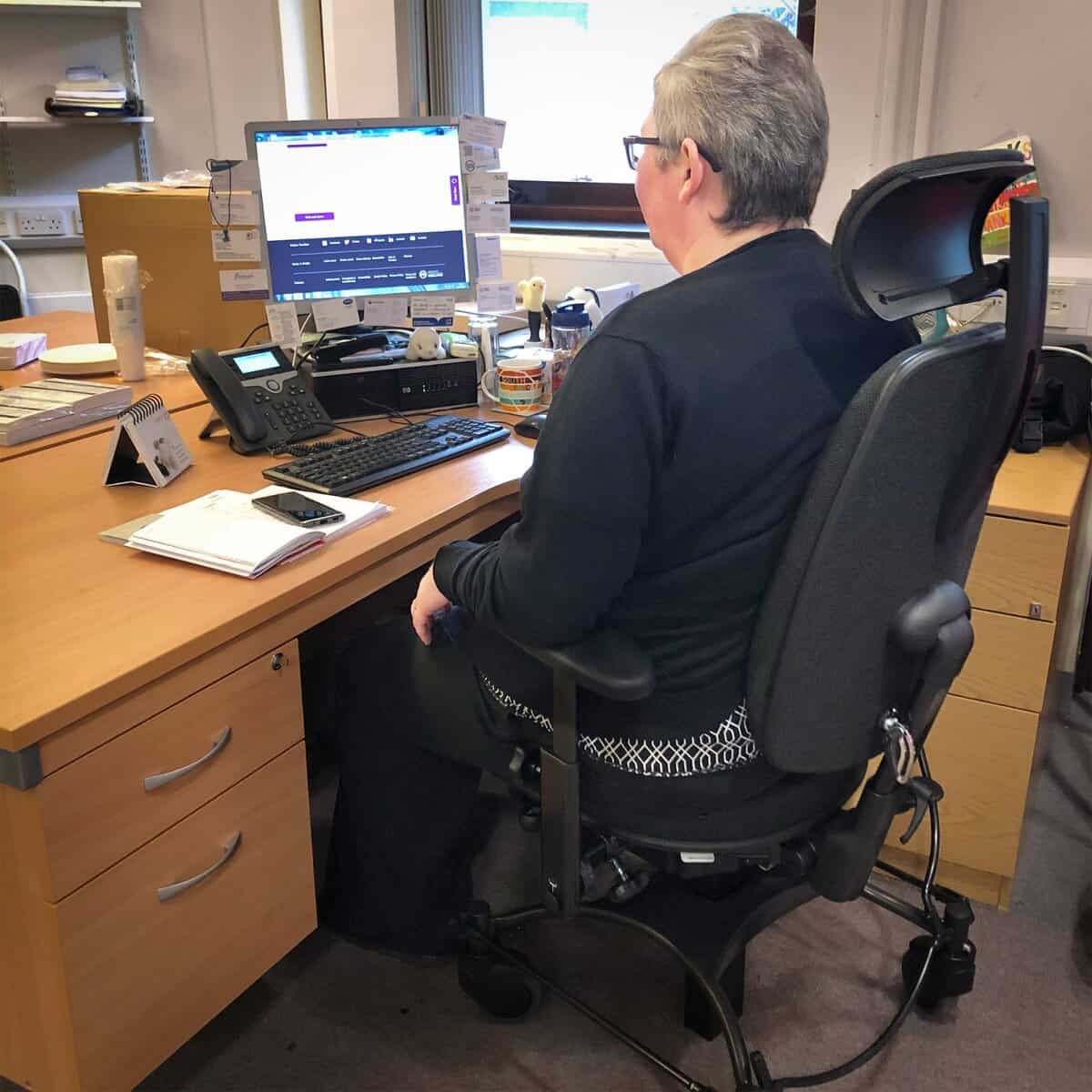
VELA is a medically approved mobility chair designed for use at home, offering enhanced safety through features like a central brake system, freedom of movement while seated, and support for daily activities like cooking, dressing, and transferring. Such design not only aids in the mobility and comfort of seniors, but also plays a significant role in reducing the burden on informal caregivers, enabling seniors to engage in community activities more freely.
Advancements in 2026 feature electric and hybrid wheelchairs with GPS navigation, app-controlled mobility settings, fall detection sensors, and AI-driven navigation support. Sensor-equipped canes and gait-adaptive assistive devices further prevent falls and provide real-time monitoring, benefiting both seniors and caregivers by minimizing fall-related risks and maximizing independence.[1][2][3][5][6][7]
There is a growing industry focus on ergonomic and personalized design solutions in assistive devices, such as customizable mobility aids, adjustable seating, and intelligent monitoring systems. New adaptive furniture with pressure-relief technology supports a wider range of user needs and encourages active lifestyles. The integration of AI and smart technologies—like smart glasses for navigation, robotic companions for social engagement, or voice-activated systems for controlling the environment—further supports autonomy and quality of life for seniors in Palm Bay. These solutions align with sustainable and inclusive design trends, making assisted living more attractive for aging-in-place preferences.[2][3][4][5][7][9]
Tailored Senior Care Options in Palm Bay
In conclusion, Palm Bay provides diverse assisted living options to meet various senior needs, from basic daily assistance to specialized Memory Care programs. Recognizing care levels, financial considerations, and quality standards is crucial for informed decision-making. Credible recommendations from places like Glenbrooke offer personalized insights to ensure that seniors find a facility that suits their care needs and lifestyle preferences, supporting their independence and dignity.
Supporting Aging in Place: A Practical Option
Exploring ways to maintain independence at home, the VELA Chair emerges as a supportive tool that allows seniors to age in place with dignity. This mobility chair addresses key challenges such as safety and ease of movement. Its unique features, like the central brake for safety and electric height adjustability, offer practical solutions that can delay the need for a nursing home. The chair makes everyday tasks more manageable, enabling seniors to cook, clean, or relax with greater ease, while preserving energy and preventing falls. VELA Chairs are one of several helpful mobility solutions for elderly at home, proving to be a valuable option for those wishing to remain independent. While it’s not the only solution available, it exemplifies how adaptive seating can enhance the quality of life by maintaining autonomy, safety, and comfort for seniors in their own homes.
Recent advancements also empower seniors with AI-enabled wearables that monitor vital signs, voice-activated smart home controls facilitating daily routines, and remote telehealth services that allow seniors to receive care and health consultations from home. Assistive devices equipped with predictive analytics and connected platforms now enable personalized care planning and the sharing of health data with clinicians and caregivers. These digital tools provide improved safety and independence, while offering caregivers greater peace of mind. Industry data show that technology adoption is accelerating—55% of caregivers now use assistive technology as part of their support strategies, further enabling seniors to embrace aging-in-place in Palm Bay.[1][3][4][5][6][7][9]
Global Trends and Policy for Assistive Living
Worldwide, the market for disabled and elderly assistive devices is rapidly expanding, projected to more than double by 2030. Market growth is driven by a global aging population, increased disability rates, and momentum around AI-powered and customizable assistive technologies. North America and Asia Pacific contribute significantly to these developments.[2]
New initiatives by the World Health Organization stress the importance of improving access to assistive technology, noting ongoing challenges in service delivery and workforce training. The WHO’s resolution on expanding global access to assistive devices highlights the need for continued policy development, with formal progress reporting scheduled for 2026.[5][9]
Experts increasingly emphasize the transformative role of AI in senior care. Recent innovations in AI-driven fall detection, predictive health monitoring (including smart toilets for early UTI detection), robotic social companions, telehealth-synced rehabilitation devices, and advanced medication management are expanding possibilities for personalized, efficient, and effective care delivery for seniors. These trends, combined with widespread adoption of digital health solutions, telehealth, and wearable monitoring, mark a significant shift in how assisted living facilities support aging in place and quality of life for older adults in Palm Bay and beyond.[1][3][4][5][6][7][9]
Sources
- Washington Cares Fund, “Leveraging technology to support aging in place” (2025)
- NextMSC, “Disabled and Elderly Assistive Device Market Report 2025-2030” (2025)
- OK2StandUP, “Assistive Technology for Elderly People” (2025)
- Let’s Envision, “The Future of Assistive Technology & AI in 2025”
- World Health Organization, Assistive technology data portal and WHA71.8 resolution updates (2022–2026)
- ATIA (Assistive Technology Industry Association), professional development and technology updates (2025)
- CES Tech Accessibility Coverage, “Advancements in AI, smart homes, and inclusive design” (2025)
- AANP: Top Five Health Care Trends for 2026, https://www.aanp.org/news-feed/top-five-health-care-trends-for-2026-how-new-technology-is-transforming-patient-care
- AARP: 2026 Technology Trends for Older Adults, https://www.aarp.org/pri/topics/technology/internet-media-devices/2026-technology-trends-older-adults/
- K4Connect: Future of Senior Living at CES 2026, https://www.k4connect.com/the-future-of-senior-living-arrived-at-ces-2026/
- AgeInPlaceTech: AI and Older Adults in 2026, https://www.ageinplacetech.com/page/whats-now-and-ahead-ai-and-older-adults-2026
- CES: Trends in Assistive Tech, https://live.ces.tech/detail/6344816598112/trends-in-assistive-tech