

Updated February 2026: We have updated the article to reflect major advances in assisted living medication management, including the implementation of AI-driven smart dispensing systems, remote monitoring wearables for medication adherence, CMS regulatory changes to MDS medication coding, use of robotic and genomic-personalized solutions, updated care plan requirements, and trends in value-based, interdisciplinary pharmacy partnerships.
Optimizing Experience, Expertise, Authority, and Trustworthiness in Assisted Living
Passing Meds in Assisted Living: Ensuring Safety and Autonomy
Managing medications in assisted living facilities is critical for maintaining resident health and safety. However, this task is complex due to varying health conditions and medication regimens among residents. According to Medicare.gov, medication management services in assisted living are governed by state guidelines, with trained personnel responsible for administering medications or assisting residents who are capable of self-administration. This article explores the nuances of medication management, the roles of different personnel in passing meds, and best practices to mitigate risks while empowering resident autonomy. Florida Senior Consulting
What is Medication Management vs. Administration?
The distinction between medication management and administration is crucial. Medication administration involves the precise handling and dispensing of medications, whereas medication management covers a broader process that ensures safety and compliance, prevents drug interactions, and involves educating caregivers. A Place for Mom explains that these tasks are integrated into daily facility operations, often illustrated through real-life scenarios. For instance, a resident with progressive cognitive decline might receive medication reminders from staff, ensuring they adhere to their regimen despite memory challenges.
Modern medication management in assisted living now strongly incorporates advanced technology. Facilities are increasingly adopting AI-powered electronic Medication Administration Records (eMAR) systems. These eMAR platforms do not only document medication administration, but use predictive analytics to identify potential adherence concerns and proactively reduce errors before they occur. The integration of AI and real-time data analytics streamlines workflow, provides alerts to the care team, and ensures more comprehensive and personalized medication plans.ECP123 DosePacker Provider Magazine (Skilled Nursing News)
In addition, AI-driven smart dispensing systems, including automated compliance packaging and robotic assistive devices, are now actively used to minimize administration errors and monitor adherence, especially for residents with mobility or cognitive challenges. Facilities are also beginning to integrate genomic-personalized dosing, tailoring medication regimens to each individual’s genetic profile in collaboration with pharmacy partners—improving medication efficacy and reducing hospital readmissions.Provider Magazine
State Regulations and Staff Training Requirements
Who can pass meds in assisted living is determined by state regulations, which prescribe specific training and certification standards. For example, the Maryland Office of Health Care Quality mandates that all personnel administering medications complete a course taught by a registered nurse. These rigorous standards ensure that registered nurses, medication technicians, and aides are adequately prepared to handle medication tasks. A case study from a Maryland facility demonstrated that implementing comprehensive training programs significantly reduced medication errors, enhancing resident safety.
Staff training now encompasses not just basic medication administration, but also the proper use of digital eMAR systems, automated dispensing units, and wearable safety devices. Ongoing education helps ensure that staff are capable of using advanced technology to its fullest benefit, optimizing workflow and compliance.Provider Magazine McKnight’s Long-Term Care News
As of 2026, regulatory updates from CMS require stricter tracking and digital documentation on Minimum Data Set (MDS) coding. Facilities must account for prescriptions that are filled—not only those administered—especially antipsychotic and PRN (as-needed) medications. There is increased surveyor scrutiny on nonpharmacological interventions, making digital upgrades and robust interdisciplinary care plans essential for compliance.(Skilled Nursing News) McKnight’s Long-Term Care News
Risks and Best Practices in Medication Administration
Reducing errors and adverse drug events is essential in medication administration. Emphasizing the “7 Rights”—right resident, right drug, right dose, right time, right route, right documentation, and right reason—forms the cornerstone of safe practices. The American Retirement Homes Association reports that standardized procedures, advanced software, and ongoing staff training contribute to reducing errors. A notable incident highlighted in their report involved standardized procedures that successfully prevented a medication mix-up, underscoring the importance of vigilance and systematic checks.
Recent advances further reduce human error through the use of automated medication dispensing and barcoding technologies. Medications are increasingly prepared in unit-dose or multi-dose packaging with barcode scanning, helping ensure accuracy and accountability at every step. This streamlines medication handling, supports regulatory compliance, and prevents mistakes before they occur.Guardian Pharmacy Provider Magazine
Additionally, ergonomic and assistive devices such as smart wearable health monitors, AI-enhanced fall detectors, and activity tracking wearables are integrated into daily care routines. These support medication adherence by providing real-time health status updates, alerts for missed doses, and early warning for fall risks, improving safety and outcomes for residents, particularly those with limited mobility.DosePacker Heisinger Bluffs Provider Magazine
Balancing Autonomy and Safety for Self-Administering Residents
Promoting resident autonomy while ensuring safety requires balancing, particularly when residents self-administer their medications. It’s important to assess a resident’s capacity to manage their medications independently. Safety considerations must be weighed against a resident’s desire for independence, guided by state guidelines and facility policies. The Journal of Aging & Health notes that state regulations enforce periodic medication reviews to prevent errors and ensure residents are not constrained by inflexible pharmaceutical arrangements. A scenario depicting a resident’s gradual transition to self-administration, supported by continuous assessment, demonstrates the facility’s focus on autonomy.
Current approaches support autonomy through technology-enabled self-management. Wearable devices and digital reminders assist residents with cognitive support, while telemedicine enables remote consultations and adjustment of medication regimens without delay. Real-time adherence alerts now help caregivers and families promptly address missed doses and foster independence, while maintaining robust safety oversight.Heisinger Bluffs Provider Magazine
Integrating Solutions for Resident Independence
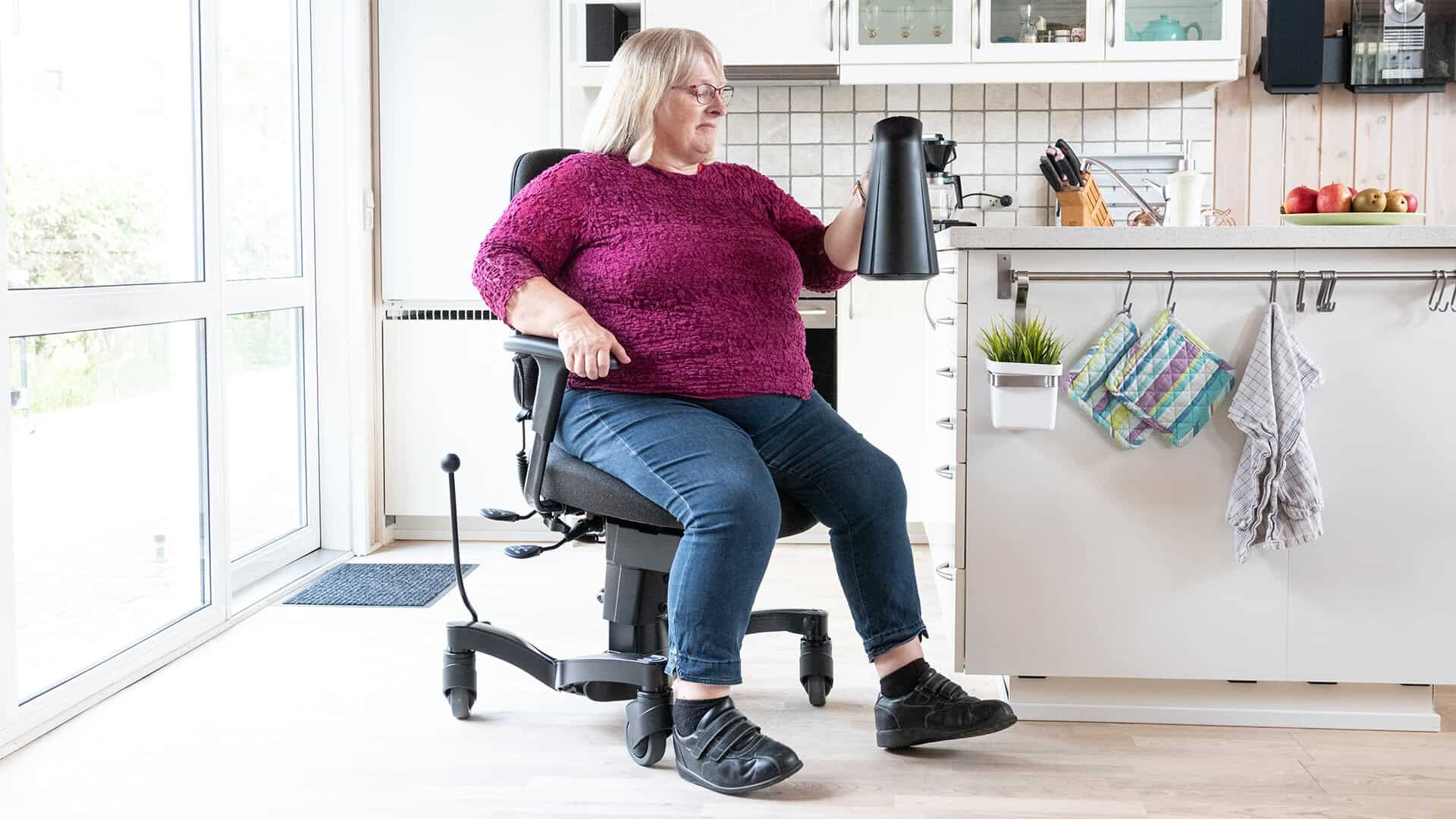
As the challenges of medication management in assisted living highlight the need for safer, more supportive environments, innovative solutions become invaluable. Solutions that help older adults remain independent in their own homes can serve as alternative or complementary approaches. One such solution is the VELA Independence Chair, a medically approved mobility chair designed for home use. It offers enhanced safety, freedom of movement while seated, and supports daily activities like cooking, dressing, or transferring, all while reducing the burden on informal caregivers.
Mobility solutions like the VELA Chair enable elderly individuals to maintain their independence longer at home. With features addressing safety, energy, and ease of transfers, these chairs provide crucial support for daily activities, potentially delaying the need for a nursing home. The central brake ensures stability, the electric height adjustability aids with reaching or cooking, and smooth gliding reduces the physical effort required to move around while seated. By safeguarding these elements, individuals experience enhanced dignity, freedom, and energy-saving, contributing to a fulfilling everyday life with or without direct caregiving involvement. Although VELA is not the only option, its proven benefits make it a practical choice for aging in place.
New research also highlights the potential role of robotic assistive devices, which are increasingly used to support residents with limited mobility or fine motor difficulties in their medication routines, aligning with broader assistive technology trends.Provider Magazine
Evolution Toward Wellness-Centric, Interdisciplinary Care Models
The field is increasingly adopting wellness-focused, interdisciplinary care planning. These modern care models integrate medication management with holistic health initiatives, addressing not only physical needs but also cognitive and social wellbeing. Personalized, data-driven medication plans are now tailored in coordination with broader health and wellness services. This approach reflects best practices and current regulatory trends in assisted living, supporting residents to achieve the best possible health outcomes while maintaining personal empowerment.Aaniie Align Senior Care Provider Magazine
Regulatory emphasis on behavioral medication tracking, consent documentation for psychotropics, and integrated mental health management further broadens the scope of interdisciplinary care. Facility policies now address both clinical and social determinants of health, emphasizing collaboration among nursing, pharmacy, psychiatry, and rehabilitation professionals for residents with higher acuity and complex needs.McKnight’s Long-Term Care News (Skilled Nursing News)
Telemedicine and Remote Medication Management
Telemedicine is now a routine option in assisted living communities, allowing providers to perform remote medication reviews and virtual healthcare consultations. This delivers timely interventions, medication adjustments, and resident or family education, further improving medication safety and responsiveness in care. The rise of remote monitoring wearables supports value-based care models under Medicare Advantage, offering predictive analytics that play a substantial role in fall prevention, timely interventions, and improved clinical outcomes.Heisinger Bluffs Provider Magazine