

Updated February 2026: We have updated the article to reflect the latest trends in assistive living, including the integration of AI-powered mobility aids, wearable health monitoring devices, robotic exoskeletons, and data-driven personalized care platforms. The article now also includes updates on home automation, VR therapy, expanded insurance coverage for assistive technology, increased tech adoption among seniors and caregivers, and best practices for smart, interoperable devices in Alexandria’s assisted living and aging-in-place solutions.
Enhanced Guide to Assisted Living in Alexandria, MN
Navigating assisted living options requires careful consideration to ensure the best environment for your loved ones. In the charming city of Alexandria, Minnesota, seniors can find exceptional assisted living choices that offer both a high quality of life and support tailored to individual needs. Notably, Alexandria’s senior community is quite significant, with the U.S. Census Bureau highlighting that 23.05% of the population is 65 years and older, surpassing the national average of 16.84%. This substantial senior demographic reflects a robust infrastructure and appealing offerings in assisted living, with a regional average cost of $3,975 monthly, which is competitive within the region.
Exploring Assisted Living Choices in Alexandria
Given the variety of options available in Alexandria, families can select from large communities with comprehensive amenities to smaller, more intimate settings that offer a homely atmosphere. For instance, Edgewood Alexandria, beautifully situated in Minnesota’s lake country, emphasizes not only essential support services but also personalized attention and a serene living environment. Edgewood stands out with its peaceful atmosphere, engaging recreational activities, and alliances with trustworthy health care providers, forming a sanctuary for residents in need of comfort and holistic care. Increasingly, assisted living environments across Alexandria are integrating smart technologies such as AI-powered fall detection systems, GPS-enabled mobility aids, wearable health monitors for predictive analytics (such as early detection of urinary tract infections or nutritional changes), robotic exoskeletons, and AI-powered companions to assist mobility and reduce loneliness. Personalized care through data-driven platforms that monitor and learn from individual gait or health patterns are becoming standard, promoting greater independence while reducing caregiver burden through remote monitoring and telehealth. Modern resident rooms may feature voice-activated assistants, non-wearable and wearable sensors, adaptive lighting, and home automation systems to support safety and autonomy. To learn more, you can explore their facilities on the Edgewood Healthcare page.[1][2][3][4][5][6][7]
Top Facilities and Their Diverse Offerings
In Alexandria, premiere facilities such as Vista Prairie at Windmill Ponds and Knute Nelson Memorial Home offer a wide range of services, marking high standards in elderly care. Vista Prairie at Windmill Ponds delivers diverse services including basic assisted living, specialized memory care, and care suites for complex needs. To further enhance care quality, leading providers are now adopting predictive analytics powered by AI to support individualized care plans and facilitate efficient staffing. Advances such as smart toilet seats that assist with early disease detection and wearable nutrition monitors have been highlighted recently. Streamlined digital documentation and interoperable health records have become hallmarks of up-to-date facilities, creating more time for meaningful staff-resident interaction and supporting compliance with evolving data security standards. Facility design trends also prioritize ergonomic, adaptable furnishings and the creation of environments that are inclusive and supportive for residents of all physical and cognitive abilities. A testimonial from Knute Nelson Memorial Home revealed praise for patient-focused care: “The staff’s patience and attention have dramatically improved my dad’s life.” These facilities prioritize individualized plans and round-the-clock care, ensuring residents receive the personal attention they require, as noted by A Place for Mom.[4][5][6][7][8]
Financial Planning for Assisted Living in Alexandria
Financial planning is a pivotal aspect of choosing assisted living. Alexandria offers competitive pricing at an average cost of $3,975 per month, inclusive of housing, meals, personal care, housekeeping, and various activities. To assist families with financial management, various aid programs and payment plans are available. With rising adoption of telemedicine, wearable health monitors, automated care documentation, and smart home technologies, some facilities may offer technology-enhanced packages or wellness programs as part of their care options, building on expanded insurance coverage for durable medical equipment (DME) and assistive tech. Clear, secure communication through digital portals and technology training for both staff and residents further supports effective cooperation on budgeting, care planning, and ongoing adaptation. With 71% of older adults having purchased technology in the past year and more than half of caregivers now using technology for coordination, these offerings are increasingly accessible and actionable for families. Families have combined private funds and state assistance to effectively manage costs, as detailed in the Minnesota Department of Human Services’ Assisted Living Report Card.[5][7][8]
Specialized Care Services: Memory and Advanced Support
Enhanced care services cater to seniors with specialized needs, such as those offered at Grand Arbor by Vivie, which extends extensive memory care programs tailored for residents with Alzheimer’s and similar conditions. Innovative use of sensor platforms, AI-predictive analytics, robotic companions, and smart home technologies allow for personalized monitoring, fast detection of changes in behavior or mobility, proactive alerts for fall risk, and interventions that may prevent escalation of care needs. Holistic, adaptable wellness programs—including cognitive support, robotic exoskeletons for mobility, virtual reality therapy, and advanced wearable health technologies—are now standard in many advanced living centers. Care suites, like those available at Vista Prairie at Windmill Ponds, bridge the gap between standard living and complete nursing care, offering a higher level of support. Staff in leading facilities are trained not only in care best practices but also in the use of new technologies, including AI tools that reduce administrative workload and support telehealth connections, ensuring seamless adoption and greater benefit for residents. A case study involving a Grand Arbor resident highlighted an improvement in engagement and mood due to their structured care approach, according to Vivie Senior Living Organization.[1][2][3][4][5][6][7]
Assisted living in Alexandria is noted for its quality offerings and supportive community atmosphere. Whether through specialized memory care programs, competitive pricing, AI-integrated mobility and wellness solutions, or scenic environments, the city meets the diverse needs of its seniors. With authoritative insights from sources like the Minnesota Department of Human Services and A Place for Mom, families can make informed decisions tailored for their loved ones, ensuring an enriched and comprehensive living experience.[4][6][7]
Reducing Caregiver Burden Through Smart Seating
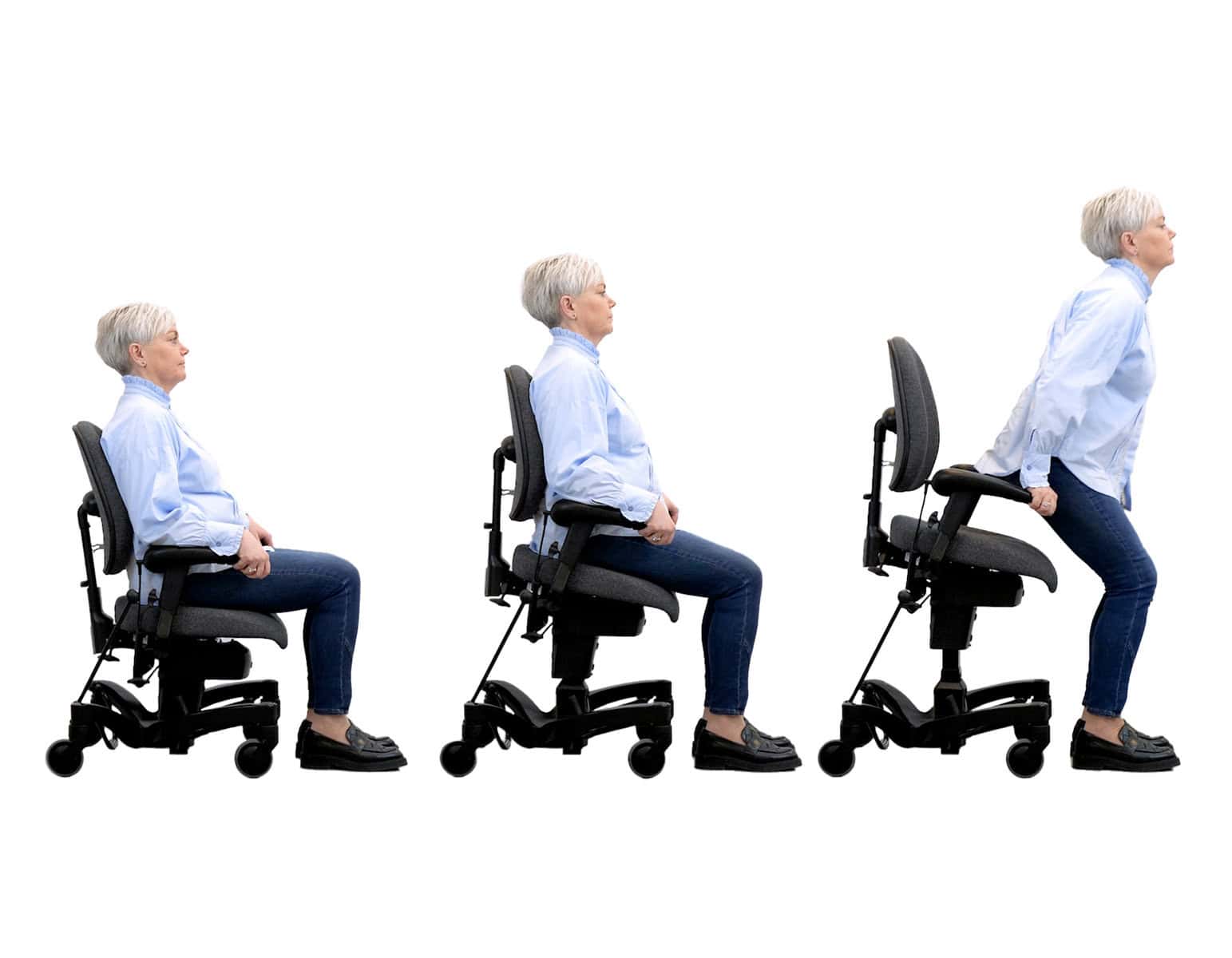
Exploring options beyond nursing homes, the VELA Independence Chair emerges as an effective solution to support aging in place. This mobility chair is equipped with a central brake for security, electric height adjustability for ease in transfers, and effortless movement while seated, addressing key challenges faced by older adults. As technology becomes an increasingly important part of home care, residents and caregivers benefit from ergonomic equipment, AI-enabled safety features, and smart home environments that work in harmony with personal care routines. Inclusive, user-centric design, voice activation, and technology education foster both safety and independence—empowering seniors and easing the caregiving experience. By facilitating tasks such as cooking or dressing, the VELA Chair not only enhances safety but also conserves energy, potentially delaying the need for a nursing home. While not the sole option available, the VELA Chair stands out for its practical benefits, offering dignity, independence, and improved quality of life for seniors thriving at home. Learn more about how such solutions contribute to independent living with assistive mobility options.[6][7]
References
- Heisinger Bluffs, “The Future of Senior Living: Trends to Watch in 2025” [1]
- Age in Place Technology, “Technology for Aging 2025 Market Overview” (PDF) [2]
- Chattr.ai, “5 Emerging Senior Living Trends: The Future of Resident Care in 2025” [3]
- CLA Connect, “Senior Living and Care: Four Key Drivers of Activity in 2025” [4]
- Argentum & A Place for Mom, “State of Technology Adoption in Senior Living 2025” [5]
- Align Senior Care, “Senior Living Trends | 2025 Senior Health Trends” [6]
- Health Dimensions Group, “2025 Top Trends in Aging Services” (PDF) [7]
- CCL Hospitality Group, “Navigating Technology Trends and AI Implementation in Senior Living” [8]
- AANP: Top Five Health Care Trends for 2026, [9]
- AARP: 2026 Technology Trends for Older Adults, [10]
- K4Connect: Future of Senior Living at CES 2026, [11]
- AgeInPlaceTech: AI and Older Adults in 2026, [12]