

Updated February 2026: We have updated the article to reflect current assisted living costs on Long Island and nationally, clarify factors driving recent price increases, and provide additional context on cost comparison, pricing models, and available benefits. No recent innovations in assistive technology or regulatory changes have been reported since May 2025.
Updated October 2025: We have updated the article to reflect the latest advancements in assistive technology, ergonomic design, and regulatory changes relevant to assisted living on Long Island. The update includes new information on smart home devices, improvements in ergonomic living environments, and recent updates in care standards and accessibility regulations.
Evaluating the True Value of Assisted Living on Long Island
Navigating the world of assisted living can be daunting for families, especially when faced with significant financial considerations. On Long Island, the stakes are even higher as prices for assisted living facilities often exceed state and national averages. According to A Place for Mom, costs now commonly range from approximately $5,190 to $6,313 per month nationally, with the New York state median assisted living cost reported at $5,941 per month and Long Island estimates typically near $6,000—higher than earlier state averages. Select facilities, such as The Bristal Assisted Living, may reach $13,000 per month for luxury options. These updated figures underscore the importance of understanding key cost drivers and exploring comprehensive financial strategies.
Cost Dynamics of Assisted Living on Long Island
A variety of factors contribute to the premium pricing of assisted living on Long Island. The region’s elevated cost of living impacts property and service expenses. Facilities often provide high-end amenities such as gourmet dining, wellness services, and social activity programs. For instance, The Bristal Assisted Living, with prices from $4,100 to $13,000, exemplifies how luxurious amenities and prime locations influence costs. Costs in the area have risen in 2025-2026 due to location, inflation, and overall demand, and they are affected by pricing models—many providers offer all-inclusive or a la carte options, with additional fees for higher levels of care. Notably, median in-home care in the region may now exceed $6,675 per month, often surpassing assisted living costs. These pricing details highlight the necessity of comparing all available options and considering total monthly expenditures for care and amenities.
Demographic Trends and Their Impact
Long Island’s growing senior population is shaping demand for assisted living. According to Long Island Guide, Nassau and Suffolk counties have seen increases in residents aged 65 and above, at 38.9% and 36.9%, respectively. This growth underscores the need for diverse housing solutions, such as “aging in place,” which emphasizes seniors staying in their homes, affecting available options.
What’s Included in Assisted Living Costs
Services at Long Island facilities vary, but generally include:
- Accommodations: Tailored private or semi-private spaces.
- Nutrition Services: Three daily meals plus snacks.
- Personal and Health Care Assistance: Support with daily activities and medical needs.
- Recreational and Social Opportunities: Regular activities promoting an active lifestyle.
The Bristal Assisted Living offers comprehensive packages, providing insight into typical service offerings. Pricing models range from all-inclusive to tiered, adjusting based on care levels. Families are encouraged to examine the details of each facility’s pricing structure, as rising costs and service distinctions can significantly affect the overall value.
Integrating Assistive Technology and Ergonomic Design
Recent advances in assistive technology are transforming the assisted living experience. Facilities now increasingly incorporate smart home devices—such as connected lighting, emergency alert systems, and automated door locks—which support safety, communication, and resident independence. Ergonomic design principles are also being adopted to reduce mobility barriers, optimize common areas, and make living spaces more accessible for people with reduced mobility. Enhanced rehabilitation practices and adaptive equipment further support personalized care and daily activity participation, which contributes to overall well-being and quality of life.
Sources: National Institute on Aging, CDC, WHO
Regulatory Standards and Recent Updates
Regulations governing assisted living facilities on Long Island continue to evolve in order to improve accessibility, safety, and resident rights. New York State periodically updates requirements related to accessibility features, care protocols, and emergency preparedness. These regulatory improvements are designed to ensure that facilities adhere to the highest standards and respond effectively to changing needs within their communities.
Sources: PubMed, National Institute on Aging
Financing Options and Cost Comparisons
To handle Long Island’s high costs, families often use various financing methods. Long-term care insurance can be crucial, but policies differ widely. Veterans and their families may access the Veterans Aid and Attendance Pension for financial aid, provided they meet eligibility requirements, including the net worth threshold (currently under $159,240). Many leverage personal assets or home equity, making a thorough cost comparison vital. According to Paying for Senior Care, assessing factors like utilities and in-home care holistically enables informed decisions. In-home care on Long Island often surpasses assisted living expenses, with median costs reported to be over $6,675 per month, emphasizing the importance of reviewing all care and housing options amid rising assisted living costs.
Maintaining Independence with Mobility Solutions
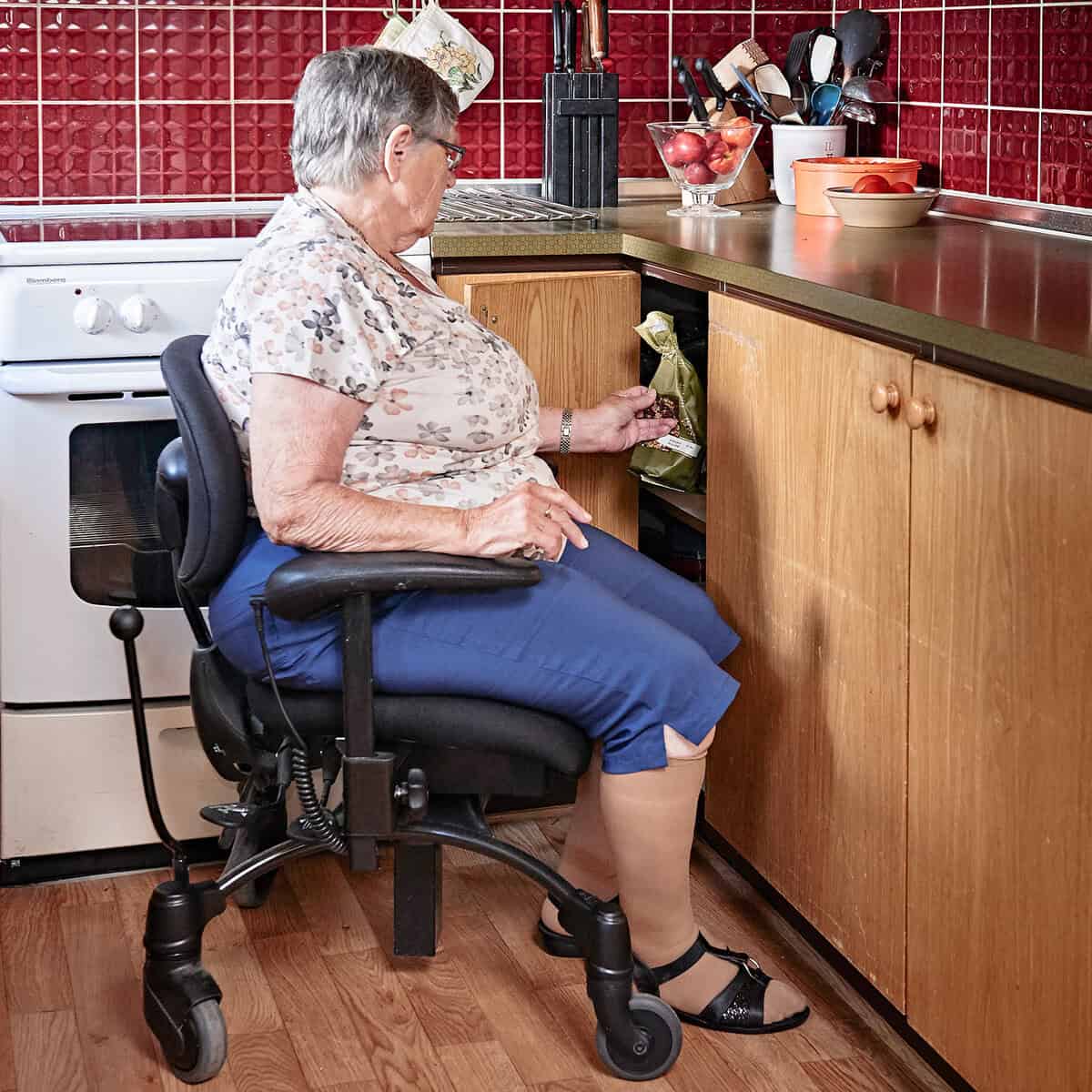
The transition to assisted living often reveals the challenges older adults face in nursing homes, such as the desire to preserve independence and autonomy. This underscores the importance of solutions that allow seniors to remain in the comfort of their own homes, with their familiar routines and personal spaces. One such solution is the VELA Independence Chair. Designed as a medically approved mobility chair for home use, it enhances safety and offers freedom of movement while seated. The chair supports daily activities like cooking, dressing, or transferring, significantly reducing the burden on informal caregivers.
As families evaluate assisted living on Long Island, understanding facilities’ true value is vital. Though expensive, reviewing various offerings allows families to find suitable fits. Resources like SeniorLiving.org offer recommendations and ratings, ensuring well-informed decisions grounded in experience and insight.
How Mobility Solutions Like VELA Make a Difference
For many seniors, mobility chairs like the VELA Independence Chair represent more than mere convenience—these chairs are pivotal in maintaining independence while aging in place. With features such as a central brake for added safety, adjustable height settings for easy transfers, and effortless movement while seated, the VELA chair addresses key challenges faced by seniors. This can significantly postpone the need for transitioning to a nursing home. Imagine the difference in daily life: engaging in previously difficult activities like cooking or simply reaching for items on a shelf with newfound ease, supporting dignity, safety, and energy preservation. While VELA is not the only option available, it stands out as a proven, practical choice for enhancing senior independence and supporting a fulfilling, self-reliant lifestyle at home. Learn more about these transformative solutions through the VELA Chairs for Seniors and Ergonomic Mobility Chairs to understand how these aids can maintain quality of life independently.