

Updated February 2026: We have updated the article with the latest trends in assistive technology for assisted living, emphasizing AI-driven health monitoring, wearable devices, robotics, smart home accessibility features, and the role of managers in adopting inclusive, ergonomic, and personalized solutions. The article also now addresses training for AI ethics, intergenerational care approaches, and the growing integration of telehealth and green building practices.
The Essential Role of an Assisted Living Manager in Senior Care Facilities
In today’s aging society, assisted living managers play a crucial role in ensuring the smooth operation and high standards of senior care facilities. They are vital to creating a safe, engaging, and compliant environment for residents. According to the U.S. Centers for Medicare & Medicaid Services (CMS), assisted living facilities must adhere to specific regulatory standards to maintain their licenses and provide quality care. Understanding the responsibilities, qualifications, and impact of these managers is essential for anyone considering a career in this field or those seeking the best care for their loved ones.
Understanding the Role of an Assisted Living Manager
An assisted living manager oversees the daily operations of senior care facilities, ensuring they run smoothly and meet residents’ needs. This includes managing staff, ensuring compliance with regulations, and enhancing resident engagement. At places like Brookdale Senior Living, managers coordinate activities to boost resident interaction and satisfaction. According to ZipRecruiter, these managers hire, oversee, and schedule staff, handle compliance with local, state, and federal regulations, and are responsible for budget management, staff meetings, and direct interaction with residents, ensuring their needs are met with compassion and efficiency.
In recent years, the manager’s role has expanded significantly to include oversight and integration of advanced assistive technologies. This now incorporates mainstream use of AI-driven health monitoring, predictive analytics for real-time care adjustments, robotics for mobility and daily assistance, as well as smart home modifications such as automated lighting, voice-activated controls, and stairlifts. Managers select, implement, and monitor digital systems—including wearable devices for fall detection and telehealth tools—to optimize both safety and independence for residents. They also lead initiatives to personalize care plans using telehealth and AI, establishing task forces for responsible rollout. Leadership now extends to managing ergonomic and dementia-friendly environments, inclusive designs, and intergenerational care initiatives that enhance resident engagement and retention. Ongoing staff training in AI ethics and privacy, as well as adapting to evolving regulatory requirements for technology use, is also essential. Heisinger Bluffs, Provider Magazine, Definitive Healthcare, AANP, Gensler.
Qualifications and Certification Requirements for Assisted Living Managers
To become an effective assisted living manager, one must meet specific educational and certification requirements. Most states mandate administrators hold a bachelor’s degree and obtain state-specific licenses. The National Council of Certified Dementia Practitioners (NCCDP) emphasizes the need for certification to establish credibility and prepare individuals for complex responsibilities. A case study from NCCDP shows that certification can significantly improve facility standards and resident satisfaction, especially in specialized dementia care.
Given recent innovations across the sector, managers today require digital literacy, technology procurement skills, and knowledge in privacy, data protection, and integrated care coordination using the latest health technologies. This knowledge supports regulatory compliance and enhances quality of resident care, especially as facilities adopt AI, telehealth, robotics, and other smart systems at scale. Ongoing education in the ethical use of AI and safeguarding sensitive information is becoming a best practice for leadership teams. Health Dimensions Group, Argentum, AANP.
Resident Demographics and Common Care Needs in Assisted Living
Assisted living facilities cater to a diverse range of seniors, typically aged 65 and older, who often face mobility challenges and chronic health conditions such as heart disease or diabetes. A peer-reviewed study highlighted that these residents come from varied socio-economic backgrounds and usually require assistance with daily activities like bathing, dressing, and medication management. These facilities often support individuals with mild cognitive impairments and aim to create a supportive community that helps residents adjust to their new living environment while maintaining as much independence as possible.
With a growing emphasis on holistic wellness and population diversity, new trends focus on inclusivity, accessibility, and the use of technology for personalized support. Managers are incorporating ergonomic designs such as dementia-friendly layouts, sensory-friendly and green building practices, and adaptive lighting. Wearable health devices and AI-based tracking systems are being used to support both physical mobility and cognitive health, ensuring environments are accessible and supportive for a broader set of residents. Adoption is driven by the desire to age in place, sustained telehealth usage, and rising expectations for digital solutions. Align Senior Care, MHSeniorLiving, Gensler.
Enhancing Safety and Independent Living in Assisted Living Facilities
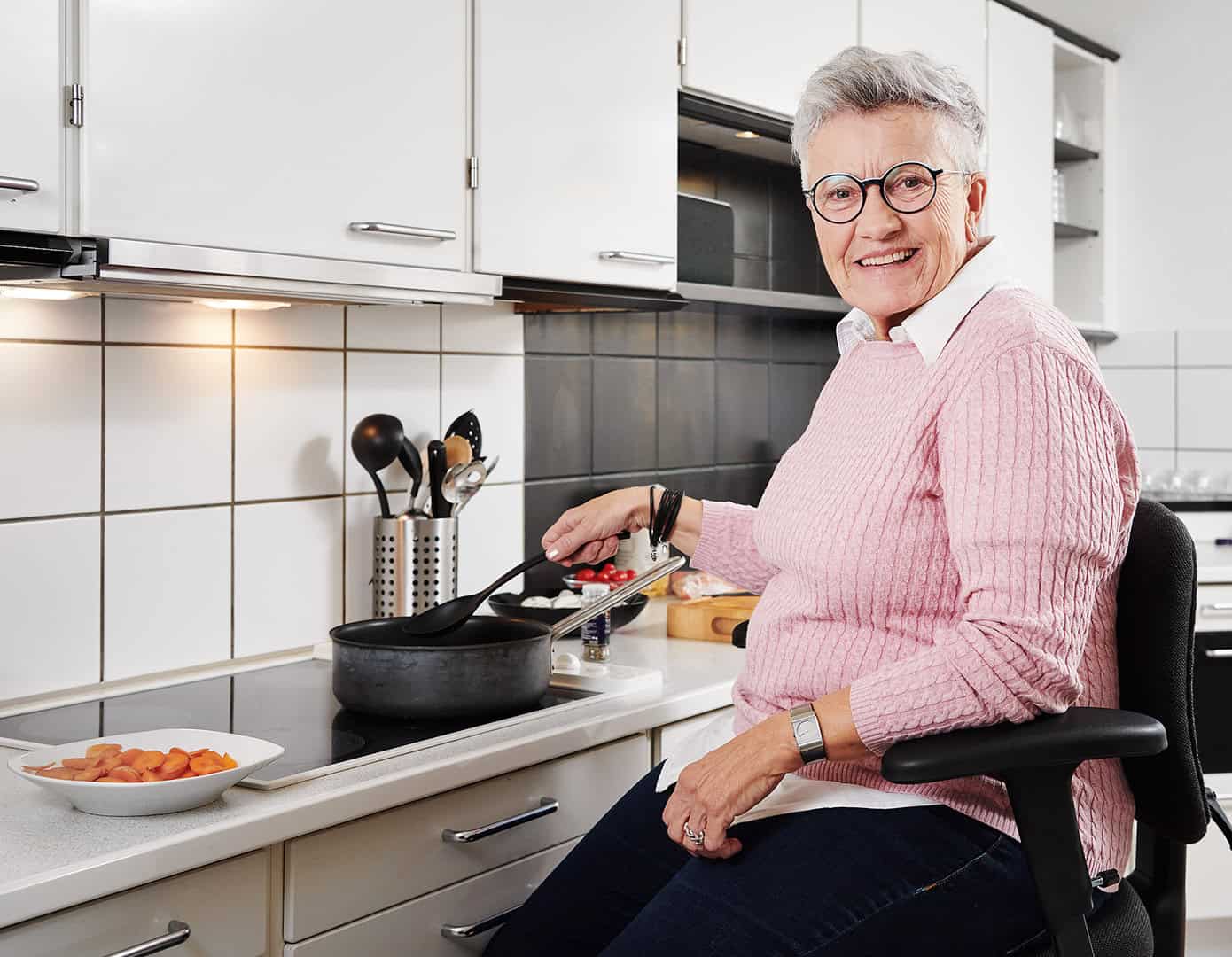
Ensuring safety and promoting independent living is a top priority for assisted living managers. A practical strategy involves integrating advanced mobility solutions to facilitate independence and prevent falls. Despite the emphasis on enhanced care within these facilities, the desire for older adults to remain in their homes as long as possible is strong. Solutions like the VELA Independence Chair provide a bridge between these needs, offering a medically approved mobility chair designed for home use. This chair supports daily activities, such as cooking or dressing, by providing enhanced safety through features like lockable wheels and adjustable seats, which facilitate movement and stabilize during tasks. These functionalities not only help seniors maintain their autonomy but also ease the demands on informal caregivers who assist them at home.
Today, facilities deploy a full spectrum of assistive technologies: voice-activated smart systems, wearable fall detection, mobile robotics, AI-moderated health monitoring, and automated environmental controls are now standard. Real-time health data from wearables and remote monitoring support rapid care responses, while predictive analytics help managers tailor wellness programming and swiftly mitigate risks. Robotics, including autonomous vehicles and dining robots, supplement staff, improve mobility, and enhance social connection. Managers lead both the selection and ethical deployment of these technologies, providing training in device use and privacy for residents and staff alike. Juniper Communities, Saving Advice, AANP, Gensler.
By utilizing chairs designed for elderly independence, assisted living managers can provide residents with tools that promote safety and mobility, thereby enhancing the overall quality of life within these facilities. In addition, mobility chairs that enhance everyday independence demonstrate the critical importance of strategic ergonomic and tech-enabled solutions for maintaining active and dignified lifestyles while reducing risk and staff workload.
The Impact of Leadership and Innovation in Assisted Living
The role of an assisted living manager is multifaceted and essential for the successful operation of senior care facilities. By integrating innovative solutions like VELA chairs, managers not only uphold high standards of care but also significantly enhance resident safety and independence. Maintaining compliance with evolving regulatory standards and leading on digital innovation are now foundational to effective management. Best practices demand holistic, resident-focused care through advanced technology adoption, ergonomic and inclusive design, and responsible data management, while also promoting intergenerational and community engagement models. Strong leadership and ongoing training enable managers to navigate policy shifts, protect privacy, and create a vibrant, sustainable, and enriching living environment. Heisinger Bluffs, Argentum, Gensler.
- Heisinger Bluffs: The Future of Senior Living: Trends to Watch in 2025
- Provider Magazine: Long Term Care 2025 Trends and Outlook
- Definitive Healthcare: Aging in Place Driving Innovation
- Align Senior Care: Senior Living Trends 2025
- Argentum: How Senior Living is Embracing Technology Innovation
- Juniper Communities: Senior Living Trends in 2025
- Health Dimensions Group: 2025 Top Trends in Aging Services
- Saving Advice: 7 Senior Living Trends That Will Redefine Retirement Culture by 2026
- MHSeniorLiving.com: Preparing for the Aging Population: What to Expect by 2026
- AANP: Top Five Health Care Trends for 2026: How New Technology Is Transforming Patient Care
- Gensler: Trends to Watch: Future of Senior Living