

Updated February 2026: We have updated the article with new findings from CES 2026 on AI-powered mobility aids, quick-attach power assists, advanced navigation and communication technologies for seniors, as well as the growing adoption of user-centered, AI-driven assistive technologies in Watertown assisted living facilities and at home.
Finding the Right Assisted Living Facilities in Watertown
Choosing the best assisted living facility is a crucial decision for seniors and their families. It involves ensuring that our loved ones receive the necessary support to thrive in their golden years while maintaining a sense of independence. In Watertown, NY, where approximately 33.2% of the population consists of seniors, data shows this choice is substantial. With five local and nine nearby assisted living facilities, options abound to accommodate diverse senior care needs according to A Place for Mom.
Selecting an Assisted Living Facility in Watertown
The process can initially appear overwhelming, but focusing on specific offerings from facilities like Samaritan Summit Village and Bishop’s Commons can help refine choices. Samaritan Summit Village underscores a community-centered approach, detailed in their 2023 service expansion, including 57,022 skilled nursing days provided, which highlights their commitment to exceptional care as reported by Samaritan Health. Bishop’s Commons is noted for personalized care plans and engaging activities, reinforced by family testimonials praising their attentive staff and vibrant resident activities.
Upon transitioning to a facility, seniors may face initial adjustments to new routines. Engaging in community activities and having tailored care plans can ease this transition, as demonstrated by the positive experiences mentioned by residents’ families at Bishop’s Commons. It’s essential that families match facilities with a senior’s existing lifestyle and health needs to facilitate a smoother transition.
Navigating Costs and Care in Watertown’s Assisted Living
Understanding the financial aspects of assisted living is crucial. In Watertown, the average cost is approximately $4,120 per month, according to Cause IQ, covering essentials such as housing, meals, and basic care. Families should devise long-term financial strategies, considering options like insurance and Medicaid eligibility. Exploring available financial assistance can significantly ease planning, especially given the average services included in these costs: housing, meals, daily activity assistance, housekeeping, and social activities.
New regulatory updates effective in 2025 influence the landscape of assisted living costs and operations, particularly in states such as California. Recent regulations now require enhanced transparency in charges to residents receiving public assistance and strengthen rules around licensing, staffing, and training for facility personnel. These changes support a more person-centered approach and increase oversight for dementia care and resident safety, reflecting a nationwide trend in assisted living standards. Facilities must comply with stricter guidelines that outline how costs are structured and what services are included, especially for Medi-Cal and similar program recipients. Families are encouraged to stay informed of regulatory standards in their state, as updates may affect coverage, fees, and care delivery ECP123 AHCA/NCAL LegiScan Myfieldaudits.
Prioritizing Safety and Specialized Care in Facilities
Safety and comfort are primary concerns when selecting an assisted living facility. In Watertown, facilities adhere to New York’s safety regulations to protect seniors and offer peace of mind to families. Features such as memory care are crucial for those with Alzheimer’s. The benefits of specialized memory care are evident in a case study that showed improvements in a senior’s daily life due to tailored environments and targeted activities.
Recent advancements in assistive technology have significantly expanded the options available in assisted living environments. As highlighted at CES 2026, new solutions such as WheelMove’s quick-attach power assist for manual wheelchairs (with up to 25 km range) and XSTO’s AI-powered all-terrain chairs—capable of climbing stairs and navigating rugged surfaces—are making greater independence possible for residents in facilities. SEERU’s environmental awareness systems now provide real-time safety alerts for seniors and those with limited mobility in busy or mixed-traffic settings, and the award-winning MaaS-Bridge AI platform enables safer vehicle-to-pedestrian transitions at facility entrances and surrounding areasMobility Management Age in Place Tech Double Tap.
In addition, AI is increasingly integrated into rehabilitation and communication tools within these facilities. MORA’s AI pose estimation powers personalized exercise routines that adjust in real time, replacing static rehabilitation exercises and supporting faster recovery and improved mobility. Speech-generating devices now use generative AI and predictive communication, offering residents with speech or cognitive limitations new ways to express themselves—fostering a more inclusive and socially engaging environmentEdTech Magazine. Wearable navigation aids, such as smart glasses using computer vision (e.g., .lumen’s Glasses for the Blind), and the mainstream adoption of features like voice controls and screen readers, further enhance both safety and daily participationDisability:IN.
Modern assistive devices built on user-centered design principles, such as those featured at CES 2026, directly involve residents to ensure compatibility and comfort. Ergonomic and accessible features, paired with comprehensive staff training in the latest technologies and inclusive care practices, help ensure safety and effectiveness. This shift toward inclusive, AI-driven environments and frequent technology updates aligns with evolving policy expectations and broader accessibility standards LetsEnvision AFB JVIB Innocaption Myfieldaudits.
Amenities such as recreational programs and well-maintained living spaces also play a vital role in choosing a facility. Families find reassurance in these offerings, as they highlight how quality amenities contribute to a supportive and thriving community environment as noted by Senior Living.
Supporting Aging in Place: A Practical Option
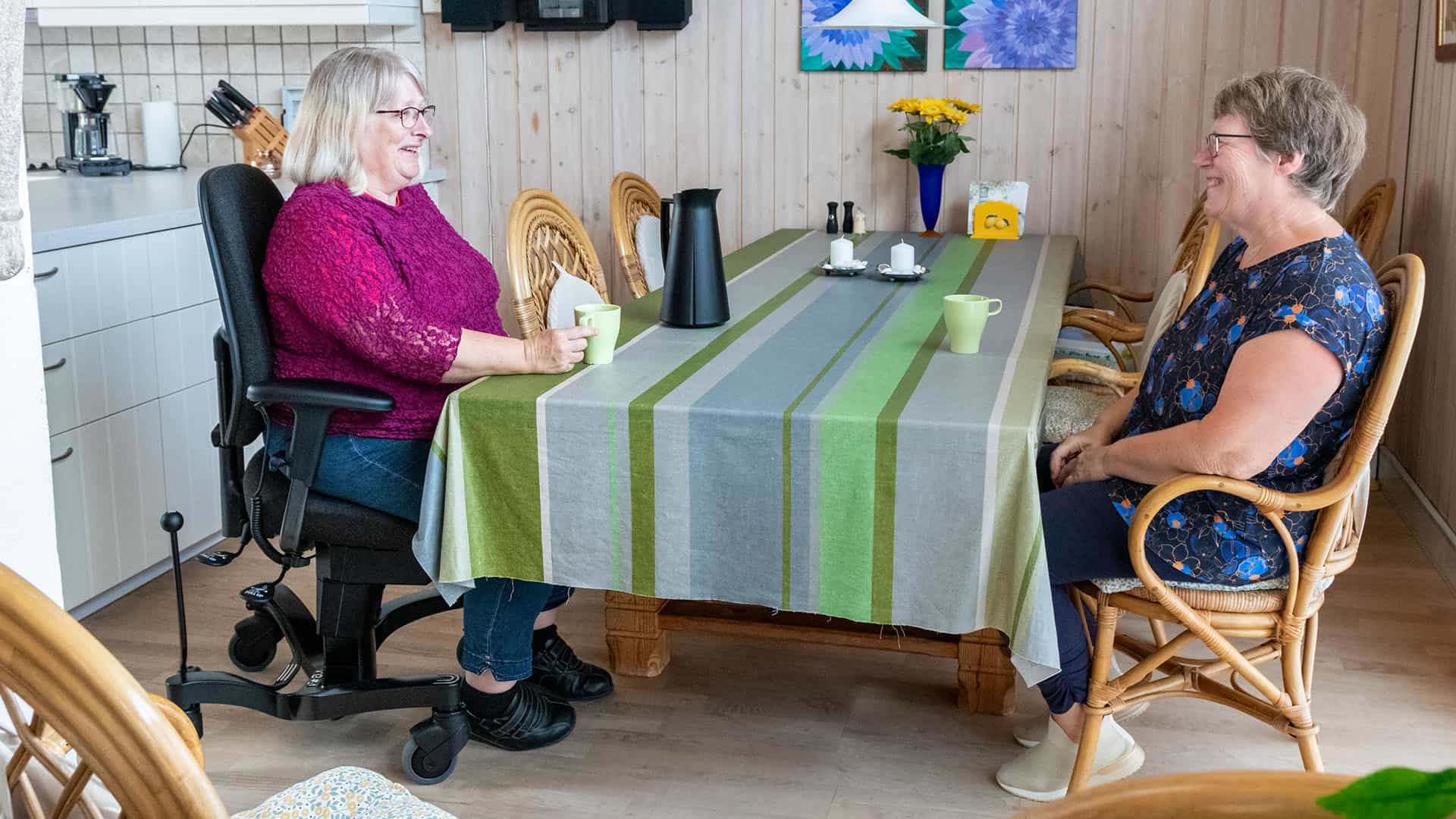
Devices like the VELA Chair exemplify how seniors can prolong their independence at home, potentially delaying the transition to assisted living. This chair addresses critical challenges including safety, mobility, and energy conservation through features like a central brake for stability, electric height adjustability, and smooth, easy movement while seated. Without such supports, daily tasks can become arduous, emphasizing the increased dignity and freedom afforded by these solutions. Imagine a senior able to engage in everyday activities like cooking or cleaning with less exhaustion and more safety, standing as a testament to the impact of adaptive devices. While VELA is one of many solutions available, it offers a well-regarded, practical choice for those aiming to age in place, supported by promising mobility solutions for seniors at home.
Broader trends in 2026 highlight facility and home-based adoption of cutting-edge assistive technology. This includes the mainstream use of voice controls and screen readers, NaviLens for indoor navigation in retail environments, and the anticipated rollout of Aira services integrated into Meta smart glasses for enhanced GPS and photo support for users with visual impairments Disability:IN Double Tap. Advanced AI-driven rehabilitation aids, haptic wearables, smart glasses using computer vision, and predictive communication platforms are enhancing social connectivity, reducing isolation, and promoting a more inclusive approach to care—both in Watertown-assisted living environments and for independent seniors using technology at home Mobility Management Age in Place Tech EdTech Magazine.
Recent trends also include the adoption of innovative rehabilitation and learning tools such as text-to-speech systems, sip-and-puff controls, and augmented reality environments. These technologies, showcased at major industry conferences, support people with different disabilities in educational, rehabilitation, and daily living settings. Emphasizing user-centered design ensures new products meet the real-world needs of older adults, caregivers, and care facility staff, further enhancing the quality of both home and assisted living-based care SenTeachersTraining Innocaption.