

Updated February 2026: We have updated the article to include the latest advances in AI-integrated smart mobility devices, wearable health monitors with predictive fall detection, robotic assistants, smart home and voice-activated technologies, updated telehealth policy guidance, and current user adoption trends. New sections highlight innovations supporting independence, aging in place, and inclusive design for seniors in Stroudsburg.
Assisted Living in Stroudsburg: Navigating Options for Senior Care
Stroudsburg, Pennsylvania, is a community uniquely positioned to support its aging residents, with seniors comprising approximately 27.82% of the population, based on data from Data USA. This demographic has driven demand for comprehensive senior care facilities. According to SeniorAdvice, there are four senior living facilities in Stroudsburg and eleven more nearby, offering varied options to meet diverse needs.
Diverse Assisted Living Choices for Stroudsburg Seniors
In Stroudsburg, seniors can choose from different assisted living arrangements. Each option—from full-service assisted living facilities to independent living communities—caters to individual preferences and promotes autonomy. Services include specialized memory care options and short-term respite care, ideal for temporary needs.
Recent advancements have transformed these facilities with the adoption of AI-powered mobility aids such as smart walkers, GPS-enabled wheelchairs, and exoskeletons, as well as wearable health monitors featuring fall detection and predictive analytics. These technologies are now integrated to enhance independence, proactively monitor health, and provide real-time support, reducing risks such as falls and enabling faster, more customized responses to medical needs.1,2,3,6,7,8
Facilities are also implementing ergonomic and adaptive design innovations, including customizable, modular furniture and adaptive therapeutic equipment like pressure-relief beds. Smart home integrations, such as voice-activated devices and environment control, support both comfort and functional independence for residents.4,5,6
A day in an independent living community might start with breakfast in a communal dining area, followed by a tailored morning exercise class to enhance mobility and strength. Many programs now utilize virtual reality (VR) and augmented reality (AR) for cognitive and physical rehabilitation, and tele-rehabilitation sessions to support therapy goals—increasing accessibility for residents at all mobility levels.2,4,6 Afternoons may be spent participating in scheduled social activities or using home automation and robotic assistants for daily tasks. Facilities prioritize seamless transitions from independent living to full-service care, blending traditional care models with the latest assistive technology to enhance safety, engagement, and overall quality of life.6,7,8
Navigating Financial Aspects of Senior Care in Stroudsburg
Financing senior care requires understanding complex processes, but various programs make it manageable. Pennsylvania offers state assistance programs alongside Medicare and Medicaid, covering essential health services. Veterans can further benefit from specific state and federal support, as showcased by Mr. Thomason, a Stroudsburg senior, who successfully combined veterans’ benefits with state assistance to cover his assisted living expenses, demonstrating effective financial planning.
Addressing common concerns like budgeting for future care and overcoming paperwork challenges is crucial. Financial planning now frequently includes considerations for investments in innovative assistive technologies, smart home modifications, and digital health solutions, as regulatory authorities, including the Centers for Medicare & Medicaid Services (CMS), have established incentives and new standards supporting technology adoption and ergonomic enhancements in care facilities.3,5,6 Engaging with elder care financial advisors can streamline the process, providing expert guidance for technology-enabled care and support.
Promoting Health and Well-being in Stroudsburg’s Senior Facilities
The primary aim of Stroudsburg’s senior living facilities is to promote residents’ health and well-being. Essential services include medication management, physical therapy, and support for chronic conditions, reflecting a commitment to professional and compassionate healthcare.
Facilities now incorporate continuous AI-supported health monitoring. Wearable health devices—featuring predictive analytics and connected with facility staff—offer early detection of changes in residents’ health, enabling faster intervention for improved outcomes. These advances are complemented by smart mobility aids and fall prevention sensors that further reduce risks.1,2,3,6,8
Rehabilitation practices emphasize widespread use of VR/AR therapy and tele-rehabilitation, with federal policy support guaranteeing access through at least January 2026. These innovations help prevent hospital readmissions, foster engagement, and increase independence.2,4,6
In addition to clinical services, Stroudsburg’s senior communities offer diverse social and lifestyle programs—art classes, cultural activities, and exceptional dining that accommodates all dietary needs. Smart connectivity technology helps maintain social bonds and stimulate cognitive activity both on-site and remotely.4,6,8
Testimonials from residents like Mrs. Johnson confirm the quality-of-life benefits, while user surveys reflect growing preference for features blending comfort, smart technology, and safety—underscored by rising curiosity and adoption of AI-driven tools among adults over 50.7,8
Overcoming Challenges and Embracing Independence at Home
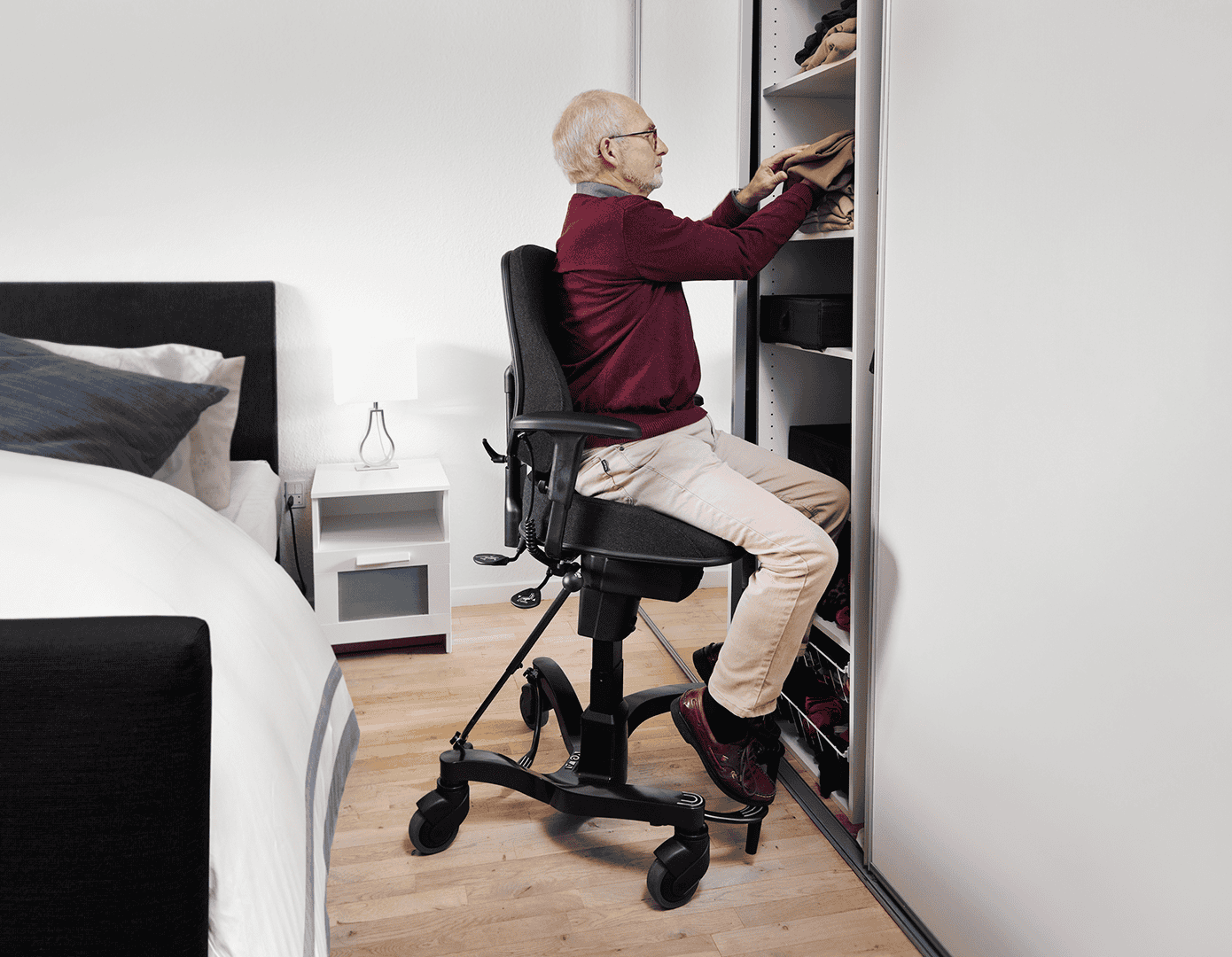
While assisted living facilities offer valuable support, some seniors wish to remain in their homes as long as possible. Maintaining independence at home requires tackling challenges like mobility and accessing daily care. One practical solution is the use of Mobility Solutions for Independent Living, such as VELA chairs. These medically approved mobility aids provide enhanced safety, freedom of movement while seated, and support for daily activities like cooking, dressing, or transferring—all while reducing the load on informal caregivers.
Recent guidelines recommend adopting advanced assistive technologies at home, including AI-powered mobility devices with GPS tracking, wearable health monitors with real-time alerts, and sensor-activated fall prevention systems. These help mitigate the over 50% of falls that occur at home and support both seniors’ safety and their caregivers.1,3,4,6,7 Home modification strategies now focus on adaptive furniture, smart lighting, and voice-activated controls to further reduce barriers. Inclusive design standards promoted by collaborative public health initiatives are addressing accessibility and supporting the projected rise in the 65+ population.4,7
Supporting Aging in Place: A Practical Option
For many seniors, staying independent at home is a preferred alternative to moving into nursing homes. Mobility solutions like VELA Chairs can make a significant difference by addressing common problems such as safety, energy conservation, and ease of movement. With features like a central brake for stability, electric height adjustability, and effortless movement, these chairs help seniors manage daily tasks with less strain, potentially delaying the need for a nursing home.
Alongside mobility aids, adoption of smart technologies—such as AI-integrated health devices, sensor-based fall prevention systems, and telehealth—continues to grow in home environments, driven by improved access policies and high user interest. Programs aimed at caregivers also provide guidance on privacy and ethical data use for AI-powered platforms.1,4,5,6,7,8 The ability to cook, clean, and enjoy leisure in a secure, connected environment empowers seniors to maintain dignity and self-direction. Solutions like VELA, while not the only answer, exemplify how innovative assistive technology can enhance quality of life while reducing caregiver demands. By prioritizing safety, energy savings, and smart integration, Safety Measures for Elderly Mobility such as VELA chairs enable effective and independent aging at home.
References:
1. American Geriatrics Society. Updated clinical practice guidelines on assistive technology integration in senior care. 2025.
2. PubMed. Recent advances in AI-powered mobility aids and VR-based rehabilitation for older adults. 2025.
3. Centers for Medicare & Medicaid Services (CMS). 2025 technology adoption and ergonomic standards in assisted living facilities.
4. UFL Aging Institute: Assistive Technology Devices for Seniors Aging in Place (Mar 19, 2025).
5. Harvard Medical School. 2025 publications on rehabilitation and ergonomic product development for seniors.
6. AANP: Top Five Health Care Trends for 2026, including remote monitoring and AI in care. https://www.aanp.org/news-feed/top-five-health-care-trends-for-2026-how-new-technology-is-transforming-patient-care
7. YouTube: The Landscape of Assistive Technology (AT) and Older Adults (Jan 14, 2026) – ATAC peer learning on aging services collaboration. https://www.youtube.com/watch?v=hqHmrZ_rfg0
8. AARP Tech Trends Series: Technology use among adults 50+ for independence and health monitoring. https://www.aarp.org/pri/topics/technology/internet-media-devices/technology-trends-series/