

Updated February 2026: We have updated the article to include new research on AI-powered assistive technologies, wearable health monitors, voice-activated smart environments, robotic mobility aids, and person-centered care innovations in assisted living. The updated content highlights current trends in safety, mobility, cognitive rehabilitation, and inclusive design improving independence for seniors at Heritage Assisted Living and similar facilities.
Evaluating Heritage Assisted Living: A Balanced Perspective on Care and Community
Finding the right care facility for a loved one is a crucial decision, particularly when balancing quality care, affordability, and community engagement. Heritage Assisted Living in Knoxville offers a compelling option for families seeking assisted living solutions that combine these elements. According to FamilyAssets, the costs range from $1,850 to approximately $3,438 per month, making Knoxville’s assisted living facilities more accessible than the state average of about $3,937, as reported by the Tennessee Department of Health.
Understanding Heritage Assisted Living in Knoxville: Services and Standards
Heritage Assisted Living is renowned in Knoxville for its comprehensive services designed to support senior residents in living comfortably and independently. The facility provides daily assistance, medication management, and personalized care plans—all critical for residents with varying needs. Heritage emphasizes staff qualifications and rigorous facility cleanliness standards, ensuring a safe and welcoming environment.
According to user reviews from Caring.com, the staff’s attention to detail and genuine concern for residents’ well-being stands out as a highlight of the facility.
What Do Knoxville Seniors Need? Demographics and Health Considerations
Knoxville’s senior community is diverse, with many facing mobility impairments, chronic illnesses, and socio-economic factors that influence the choice of assisted living options. The Journal of the American Geriatrics Society notes that factors like fall prevention and mobility support are pivotal for quality of life in such settings.
For instance, Ms. L utilizes adaptive equipment to manage her arthritis efficiently. At Heritage, equipment like adjustable beds and grab bars in bathrooms play a critical role in promoting independence. Moreover, Knoxville’s socio-economic landscape makes assisted living facilities like Heritage appealing, as they offer services suited to middle-income seniors at a competitive price.
State Regulations: What Protects Your Loved One in Tennessee Assisted Living?
The state of Tennessee takes resident protection seriously, with strict regulations governing assisted living facilities. According to the Tennessee Assisted Living Facility Licensure Rules, all facilities must be licensed and maintain specific staffing ratios, safety protocols, and medication management practices.
Heritage Assisted Living demonstrated their commitment to quality care by enhancing their safety measures following a routine inspection, which showcases their dedication to maintaining high standards and safeguarding their residents’ well-being.
Comparing Top Providers: Reviews, Costs, and What Sets Heritage Apart
In Knoxville, evaluating a facility often involves comparing user reviews, costs, and the amenities offered. Heritage Assisted Living stands out with a high satisfaction rate among families who appreciate both the value for money and the attentive care provided. According to A Place for Mom, while Heritage may lack some luxurious features, it excels in creating a functional and supportive environment.
- Unique programs such as activity-based wellness initiatives
- Musical events and social outings
This focus on engagement and community strengthens the bonds among residents and enhances their daily living experience.
Supporting Aging in Place: A Practical Option
Mobility solutions such as VELA Chairs can significantly aid seniors in maintaining their independence at home, delaying or even avoiding the need for a nursing home. The chair’s design includes a central brake for increased safety, electric height adjustability, and ease of movement while seated—an advantage for tasks like cooking, cleaning, and relaxing. This ensures a safer and more energy-efficient lifestyle, preserving the dignity and freedom of seniors.
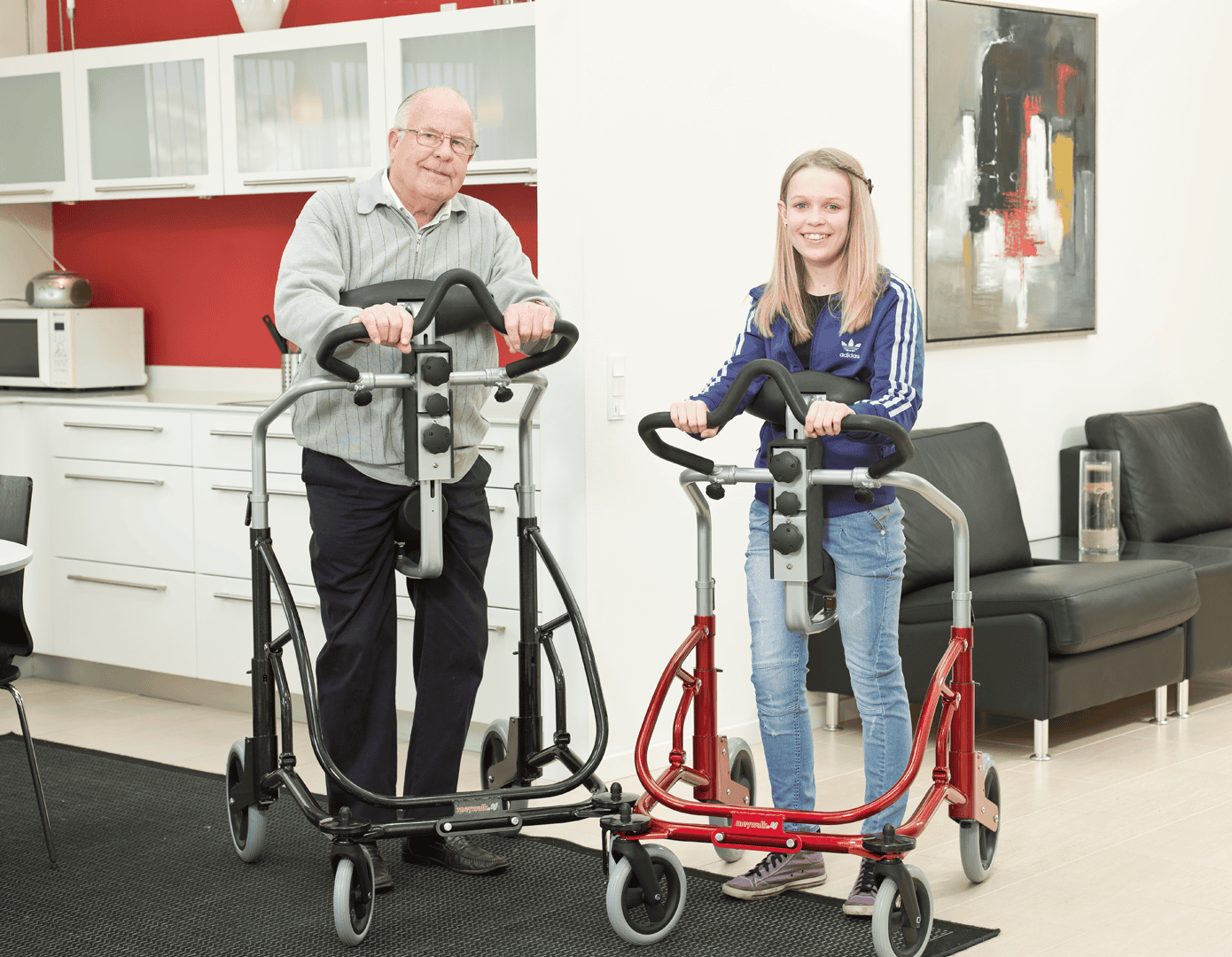
Recent advances in assistive technology now offer options beyond traditional solutions. Integrated, AI-powered assistants and smart sensors are being adopted widely in assisted living to provide real-time fall detection, predictive analytics for health risks, and personalized support for residents with reduced mobility or disabilities [1][2][3]. Wearable technologies, such as vital monitors and smart glasses, along with haptic feedback devices and self-navigating wheelchairs, are emerging to support safety, autonomy, and daily activity for seniors in both assisted living and at home [6][7][9]. The inclusion of seniors and individuals with disabilities in the design and development of these technologies is increasingly emphasized to ensure solutions genuinely reflect user needs and maximize usability.
Voice-activated assistants and smart home features—such as automated lighting and medication reminders—are now common in advanced senior communities, removing everyday barriers and supporting more independent lifestyles. Innovations also include therapeutic virtual reality tools for cognitive stimulation and person-centered AI platforms that help staff tailor care dynamically based on real-time data insights [1][3][5].
Trends in 2026 also emphasize person-centered, community-integrated care models with remote monitoring and expanding HCBS (Home and Community Based Services) to promote more ergonomic and inclusive environments for those aging in place. Challenges remain around technology interoperability and equitable access, but the increased adoption of AI and accessibility innovations—for example, the Luna AI companion or robotic wheelchairs highlighted at CES 2026—underscore the direction of senior care [6][7].
By providing support for daily activities, VELA Chairs and cutting-edge assistive technologies now reflect a practical, proven approach to enhancing senior autonomy at home and in assisted living. For those exploring adaptive furniture and smart assistive technology, these integrated solutions play an increasingly comprehensive role in supporting seniors’ independence, dignity, and comfort. More information about such options can be found through resources like supporting seniors living independently and caring for elderly mobility needs.