

Updated February 2026: We have updated the article with the latest innovations in assistive technology, including AI-powered exoskeletons, smart wheelchair upgrades, robotic transfer aids, and integration of voice/home automation systems. The article now highlights new tools debuted at CES 2026 and their impact on enabling greater independence and safer mobility for seniors in Level 1 care.
Understanding Level 1 Care in Assisted Living Facilities
As the population ages, understanding the levels of care available in assisted living facilities becomes crucial for seniors and their families. Level 1 care, the most basic tier in assisted living, offers seniors the opportunity to maintain independence while receiving minimal support in daily activities. This level of care is particularly relevant now, considering the increasing number of elderly individuals seeking autonomy with a safety net. According to Village Walk Senior Living, more seniors are choosing assisted living options that provide just enough assistance to enhance their quality of life without intruding on their independence.
The Basics of Level 1 Care in Assisted Living
Level 1 care in assisted living is designed for individuals who are largely independent but benefit from specific assistance in daily living activities. This foundational level prioritizes autonomy, supporting residents through services that enhance their lifestyle rather than disrupt it. For example, daily activities where assistance might be provided include medication management, light housekeeping, and transportation to medical appointments. Recent advances have introduced AI-powered wearable devices, voice-controlled wheelchairs, and smart prosthetics, all of which facilitate daily living with even less reliance on staff interventions. Devices such as WheelMove, launching in mid-2026, and smart wheelchair attachments like LUCI, offer stair-climbing and pressure-monitoring features to support greater independence in Level 1 settings.[2][6][4] These state-of-the-art solutions provide real-time support and intuitive reminders, especially for those with vision or dexterity challenges, strengthening the independence Level 1 care is known for. Imagine Mrs. Thompson, an 82-year-old resident, who enjoys participating in community activities but needs reminders for her daily medication—now, a voice-activated device or AI assistant can support her routine seamlessly. According to A Place for Mom, the overarching goal at this level is to provide reassurance with minimal intervention, ensuring residents thrive in their chosen environment.
Ideal Candidates for Level 1 Assisted Living
Not all seniors require the same level of care, and Level 1 specifically caters to those who remain mostly independent but could use occasional support. Ideal candidates typically possess few physical limitations and maintain cognitive health. These individuals are often transitioning from independent living due to early mobility concerns. For example, Mr. Jenkins, a senior who has started needing assistance with mobility after living independently, could find Level 1 care beneficial. Smart prosthetics, wearable robots, and new AI-integrated solutions like neural interfaces and exoskeleton add-ons, now help address early mobility issues by enabling improved gait, balance, and physical activity. These tools offer subtle assistance and rehabilitation support without compromising autonomy.[2][6] Testimonials from residents frequently highlight these innovations—such as smart wheelchair upgrades and adaptive user interfaces—as key contributors to maintaining daily independence. Insights from NPSeniorLiving suggest that testimonials from residents often highlight the communal and structured environment as critical in alleviating daily living challenges.
Navigating the Spectrum: From Level 1 to Level 4 Care
Assisted living facilities provide a spectrum of care, allowing residents to transition between levels based on their evolving needs. Level 1 care stands out for its support of high independence with minimal assistance. As needs increase, residents may progress to higher care levels, such as Level 2, with more frequent support for daily activities. The integration of AI-driven monitoring—such as Maas-Bridge mobility systems and smart home automation—plus early mobility support devices (including CES 2026 award winners like XSTO X12 and ReviMo Niko), can now delay the need for advancing to higher care levels by delivering proactive mobility support and tailored interventions in real-time.[4][12] For instance, a resident might initially join Level 1 care but transition to Level 2 following a change in mobility. Sunflower Communities outlines that assessments are regularly conducted to ensure that care plans remain aligned with residents’ needs, enabling smooth transitions between levels. Contemporary assessments may now incorporate data from AI-powered devices and wearables, such as pressure-monitoring wheelchair attachments, to personalize care pathways more effectively.
Mobility Support for Level 1 Residents
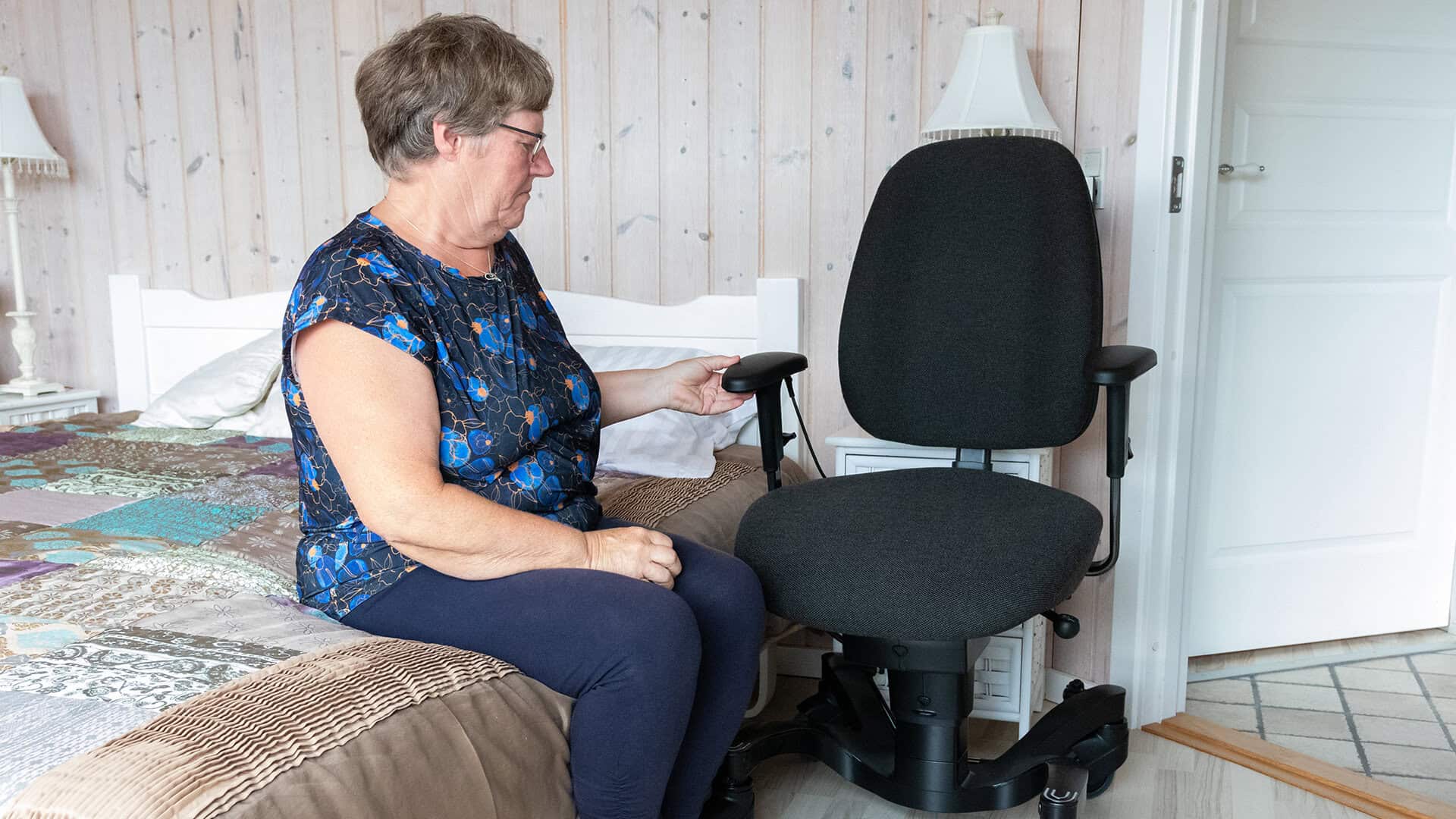
Older adults often face challenges in balancing independence with safety in their living environments. To address these challenges, solutions that facilitate self-reliance at home become essential. The VELA Independence Chair is one such solution. This medically approved mobility chair is designed for home use, providing enhanced safety and freedom of movement while seated. In line with recent trends in assistive technology, new mobility supports now include AI-powered exoskeletons, all-terrain AI power chairs like the XSTO X12, and smart wheelchair systems such as LUCI. These devices deliver real-time feedback, monitor user posture and pressure, and help personalize rehabilitation routines. This reduces reliance on external caregivers and enables individuals to remain safely independent.[6][4] Support features in VELA Independence Chair and comparable devices assist with daily tasks like cooking, dressing, or transferring, and reduce the load on informal caregivers by empowering seniors to manage more independently.
Making an Informed Decision
Choosing Level 1 care can be a pivotal decision for seniors and their families. It involves evaluating personal needs, facility offerings, integration of assistive technology, and potential changes in care requirements. Families should consider:
- Arranging tours to observe the environment.
- Reviewing assessment procedures for personal care plans, including the availability and use of advanced assistive technologies such as smart wheelchair attachments, AI-enabled reminders, and digital health monitoring tools.
- Understanding the potential for transition to higher care levels.
- Examining the cost structure and any additional fees, noting that some regions now provide funding or reimbursement for approved assistive technologies within assisted living tiers.
- Gathering feedback from current residents about their experiences, especially with new AI-powered solutions and devices debuted at industry events like CES 2026.
By considering these factors, families can make informed decisions that prioritize the resident’s quality of life and independence, according to Downers Grove Healthcare.
Supporting Aging in Place: A Practical Option
Many seniors strive to remain in their homes as they age, and mobility solutions like VELA Chairs for Seniors can make this goal more achievable. These chairs offer features such as a central brake for safety, electric height adjustability, and easy movement while seated, which can significantly enhance independence at home. Today, seniors can further benefit from adaptive devices, integrated AI assistants, smart home automation, and rehabilitation software—contributing to both safety and independence at home.[4][6] Ergonomic AI-driven systems and adaptive user interfaces are increasingly supporting a diverse range of daily self-care activities, particularly for those with reduced upper limb function. By facilitating safer, energy-efficient transfers and routine tasks, VELA chairs and next-generation mobility devices help delay the necessity of moving into a nursing home, allowing seniors to maintain dignity and freedom in familiar surroundings. VELA chairs, along with smart wheelchairs and new AI-driven mobility aids introduced at CES 2026, represent proven options among alternatives available to support aging in place.
References
- National Center for Biotechnology Information (PMC): Review on assistive technologies in neurology including AI-powered exoskeletons and brain-computer interfaces with rehabilitation applications.
- [Assistive Technology for Physical Disabilities – A Complete Guide](https://accessibilityinnovations.com/blogs/assistive-technology-devices-for-physical-disabilities/) – Reviews smart prosthetics, exoskeletons, and post-2025 advancements in assistive devices for reduced mobility.
- World Health Organization: Forecasting huge global assistive technology needs by 2050, emphasizing technological innovation as critical for aging populations.
- [CES 2026: 4 Assistive Technology Exhibitors to Watch](https://mobilitymgmt.com/ces-2026-4-assistive-technology-exhibitors-to-watch/) – Details innovations like WheelMove, MaaS-Bridge, XSTO X12, and SEERU for mobility advancement.
- Accessibility and Assistive Technology Industry Association Journal (ATOB, 2025): Recent white papers fostering communication and advances in assistive technology research and outcomes.
- [Exciting Assistive Technology for People with Disabilities](https://abilitymt.org/blog/assistive-technology-people-disabilities) – AI neural bridges, iSee glasses, LUCI smart wheelchair tech, and new mobility solutions in trials and upgrades.
- Equal Accessibility LLC: Overview of current assistive technology trends including smart home integration, AI-driven accessibility devices, and ergonomic product development.
- [CES 2026 Includes Mobility, Health and Smart Home Tools](https://www.accessibility.org.au/ces-2026-includes-mobility-health-and-smart-home-tools-with-accessibility-potential/) – Covers ReviMo robotic lifts, Hapware haptic aids, and relevant assisted living innovations.