

Updated February 2026: We have updated the article with the latest guidance on diabetes management in assisted living, emphasizing expanded use of continuous glucose monitors (CGMs) for all seniors with diabetes, expanded eligibility for automated insulin delivery (AID) systems, regulatory trends requiring enhanced staff training in technology-enabled care, a shift toward person-centered care individualized by the “Four M’s” (Mentation, Medication, Mobility, What Matters), and new recommendations encouraging updated oral/injectable agents over sliding-scale insulin for long-term and assisted living care.
Managing Diabetes in Assisted Living Facilities: A Comprehensive Guide
As the prevalence of diabetes among seniors continues to rise, it’s crucial for assisted living facilities to effectively manage this chronic condition. According to the American Diabetes Association, approximately 25% of adults aged 65 and older have diabetes, underscoring the need for comprehensive management strategies in these environments.
Understanding Diabetes Care Needs in Senior Living Environments
Diabetes care in senior living settings must account for the unique needs of older adults. Seniors typically face Type 1 or Type 2 diabetes, each requiring meticulous management to prevent complications like cardiovascular issues, cognitive decline, vision problems, and mobility limitations. According to the American Diabetes Association, aging intensifies diabetes management needs by necessitating increased monitoring and frequent medication adjustments. In line with 2026 guidelines, all adults with diabetes—including those not using insulin—should receive continuous glucose monitors (CGMs) from diagnosis, removing prior insulin-use prerequisites. Automated insulin delivery (AID) systems are now recommended for both Type 1 and appropriate Type 2 adults, offering automated dosing and real-time predictive alerts. These advances help reduce finger-stick burdens and the risks of hypoglycemia, especially for seniors with mobility or dexterity challenges, as they are designed to be user-friendly and lessen the daily burden of care ADA/NIH, NIDDK, Smiles Med, Amba Health.
Consider Mrs. Smith, a resident managing her diabetes despite challenges like limited mobility. With new care models, she now benefits from a CGM device, automated insulin delivery, and an individualized care plan focused on her mentation, medication, mobility, and what matters most to her—reflecting the person-centered approach endorsed for seniors in assisted living and supported by Presbyterian Living.
Levels of Diabetes Care by Facility Type
Facilities offer various levels of care, tailored to the specific diabetes management needs of residents:
- Independent Living: Provides diabetes support, including nutritional guidance and blood sugar monitoring advice.
- Assisted Living: Equipped with protocols for regular insulin administration and emergency care for hypoglycemia. Many are now adopting advanced diabetes devices, such as CGMs and AID systems initiated at diabetes diagnosis, to support individualized care plans and improve glycemic control. New guidelines also encourage the use of updated oral or injectable agents and recommend avoiding sliding-scale insulin where possible ADA/NIH, McKnight’s/JAMDA, NIDDK.
- Memory Care: Adapts diabetic protocols to residents with cognitive impairments, combining diabetes management with cognitive support. CGMs and easy-to-use AID systems help reduce manual monitoring burdens for residents and staff, ensuring safer care in this population ADA/Diabetes Care, Amba Health.
- Skilled Nursing Facilities: Offers comprehensive services, including automated monitoring and multidisciplinary interventions for diabetes, with an emphasis on person-centered approaches using the Four M’s framework.
Key Components of Effective Diabetes Management in Assisted Living
Effective diabetes management in assisted living must integrate several critical elements:
- Blood Glucose Monitoring: While traditional finger-stick checks remain available, the majority of residents now benefit from CGMs capable of up to one year of continuous use. These devices automate glucose tracking and provide 30-minute predictive alerts, effectively reducing burdens and risks, especially for those with dexterity or cognitive challenges ADA/NIH, NIDDK, Smiles Med.
- Medication and Insulin Administration: With updated guidelines, sliding-scale insulin is replaced by newer oral or injectable agents when possible. Smart insulin delivery systems, such as AID systems, automate dosing and enhance safety, notably for residents with limited dexterity McKnight’s/JAMDA, ADA/NIH.
- Nutritional Planning: Diabetes-friendly meal plans should meet individual dietary needs, now guided by the “what matters” component of the Four M’s. Restrictive diets are de-emphasized to reflect personal preferences and safety. Digital or staff-guided customization is encouraged to align with each resident’s priorities McKnight’s/JAMDA, ADA/NIH.
- Physical Activity Programs: Tailored activities remain a key part of holistic diabetes management, with mobility and mentation regularly assessed as part of the Four M’s person-centered care framework.
- Staff Training: Staff are now required to receive dedicated training in diabetes technology, including setup and ongoing support of CGMs and AID systems. State regulations increasingly require assisted living staff to demonstrate proficiency in these technologies and to use the Four M’s to individualize resident care NCAL, ADA/NIH.
One facility, for example, successfully implemented a meal program leading to significant improvements in residents’ glucose levels, documented by Presbyterian Living. Improvements in ergonomic design of wearable devices ensure that seniors—including those with disabilities or reduced mobility—benefit from easier-to-use, comfortable monitoring and delivery systems Smiles Med.
Evaluating an Assisted Living Facility’s Diabetes Care Capabilities
When selecting an assisted living facility, families should consider various factors:
- Staff Qualifications: Are staff members certified and trained—as now required in many states—for diabetes management, CGM/AID technology, and individualized person-centered approaches using the Four M’s?
- Emergency Protocols: Does the facility have clear and updated policies for diabetes emergencies, including the use of real-time monitoring equipment and technology-enabled alerts?
- Dietary Accommodations: Are meal plans tailored using updated best practices that de-emphasize restrictive diets in favor of individual resident needs and preferences?
- Technology Integration: Does the facility provide inclusive access to CGM and AID systems for all diabetic residents, regardless of insulin use, and is remote data reviewed regularly for safety ADA/NIH?
- Healthcare Coordination: Is there evidence of a person-centered, multidisciplinary team approach, with individualized glycemic goals set considering mobility, mentation, medication, and resident priorities McKnight’s/JAMDA, ADA/NIH?
Consider a family evaluating a facility based on the specialized medication management insights offered by Managed Health Solutions Partner Facilities. It is important to ensure the facility is up-to-date with the latest regulatory requirements and policies—especially new mandates on technology training and access—that support accessibility and affordability of diabetes devices, as well as a patient-centered approach to care NCAL, ADA/NIH, AHCA/NCAL.
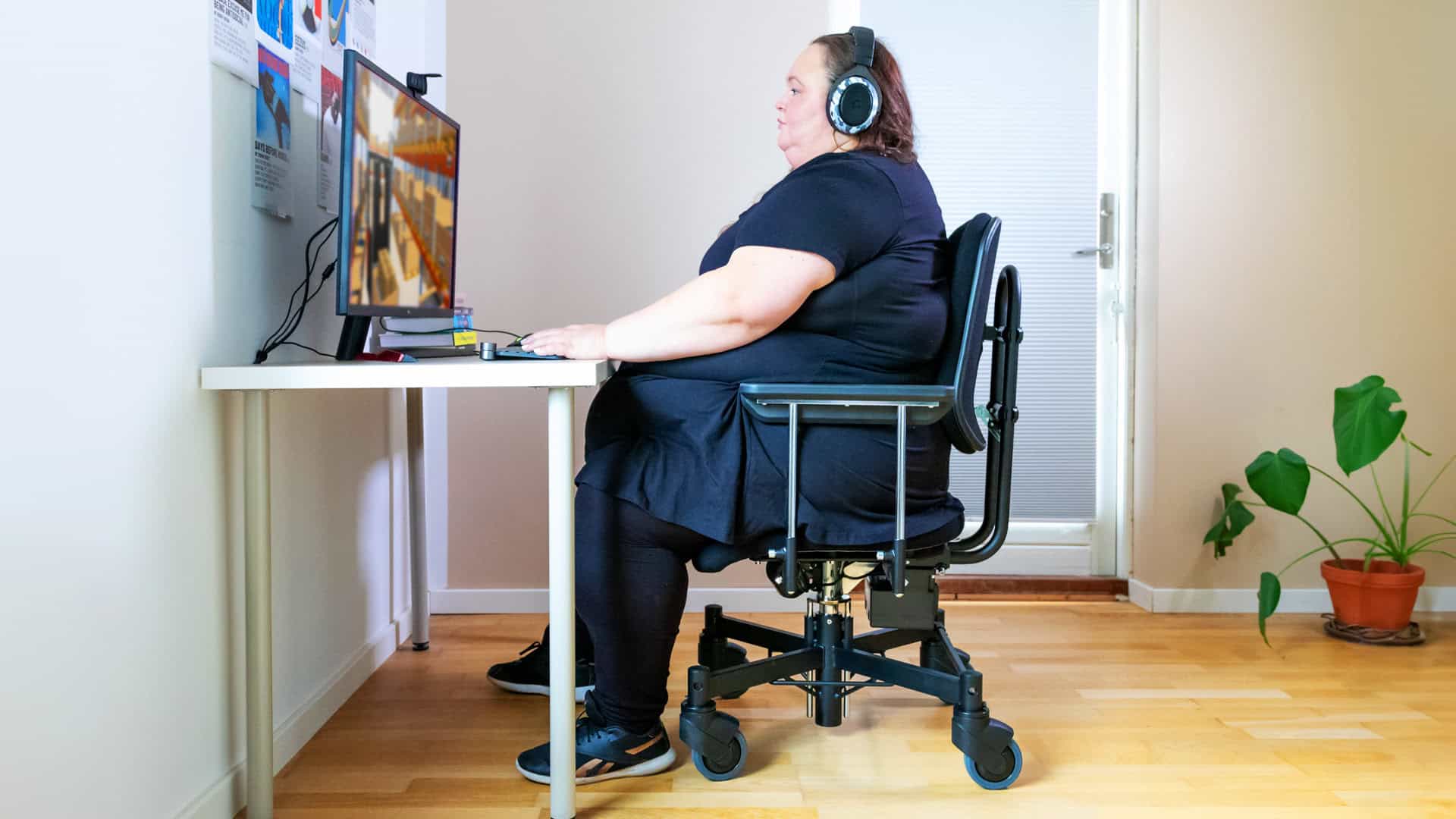
In moving from the challenges faced in assisted living to supporting seniors to remain independent in their own homes, innovative solutions like the VELA Independence Chair show promise. VELA Mobility Chairs for Support are medically approved for home use and provide enhanced safety and freedom. These chairs support daily activities such as cooking and dressing while minimizing reliance on caregivers and fostering autonomy.
Supporting Aging in Place: A Practical Option
Mobility solutions like the VELA Independence Chair enable seniors to maintain their independence at home longer, potentially delaying the transition to a nursing home. With features such as a central brake for added safety, electric height adjustability, and ease of movement while seated, the VELA Chair addresses common challenges faced by seniors—keeping them safe and conserving their energy. By facilitating daily tasks like cooking and moving around the house, this chair enhances dignity and freedom, allowing people to live comfortably in their familiar surroundings. While not the sole option available, it’s a tested and effective choice for those aiming to age in place successfully.
References
- Amba Health, Supporting Diabetes Management in Senior Living: Harnessing Technology, November 2025
- American Diabetes Association, Standards of Care: Telehealth and Technology in Diabetes Management, June 2025
- Smiles Med, Managing Diabetes with Wearable Technology: Trends for 2025, 2025
- Florida Diabetes Advisory Council, Legislative Report 2025, January 2025
- National Institute of Diabetes and Digestive and Kidney Diseases via PMC, Managing Diabetes in Older Adults: Advancements in Long-Term Care Facilities, 2025
- Diabetes Technology Society, Diabetes Technology: Standards of Care – 2025, 2025
- AHCA/NCAL, Long Term Care 2025 Trends and Outlook, January 2025
- SeniorSite.org, Senior Living in 2025: Essential Future Trends, 2025
- ADA/NIH, 2026 ADA Standards of Care in Diabetes—Older Adults (Section 13), January 2026
- McKnight’s, New Diabetes Practice Guideline for LTC Providers, 2026
- NIH/PMC, Summary of Revisions: Standards of Care in Diabetes—2026, January 2026
- ADA/Diabetes Care, 13. Older Adults: Standards of Care in Diabetes—2026, 2026
- NCAL, 2026 NCAL Report: States Continue Modifying Assisted Living Regulations, January 2026