

Updated February 2026: We have updated the article to reflect the latest developments in AI-powered assistive technologies, such as wearable navigation devices and power-assist systems for enhanced mobility, as well as advances in multimodal interfaces and inclusive policy trends highlighted at CES 2026. The update also includes current information on personalization, cognitive accessibility, and the integration of real-time adaptive rehabilitation tools.
Making Sense of Assisted Living and Personal Care for Seniors
Navigating the landscape of senior care options can be daunting, especially when trying to distinguish between assisted living and personal care. Understanding these distinctions is crucial for families making informed decisions based on the unique needs of their loved ones. With the senior population expanding rapidly, this choice becomes even more pertinent. According to the National Institute on Aging, knowing the differences between these care types can ensure that seniors receive the appropriate support while enhancing their quality of life.
Understanding the Differences Between Assisted Living and Personal Care
Assisted living and personal care are often used interchangeably, yet they bear significant distinctions, especially concerning regulatory requirements and the nature of care provided. For instance, assisted living facilities are designed to allow residents to “age in place,” offering private rooms and skilled nursing care as needed when the residents’ health conditions escalate. According to the Pennsylvania Health Care Association, personal care homes are generally less medically intensive and lack such construction mandates. In states like Pennsylvania, these differences are elucidated by the Commonwealth’s Office of Long-Term Living, which outlines varying licensing requirements designed to cater to different resident demographics.
Evaluating Healthcare and Quality of Life in Assisted Living
Healthcare utilization in assisted living settings is vital, as these facilities cater to older adults often dealing with complex medical conditions. Research highlighted in a PMC study reveals that assisted living residents have higher healthcare consumption patterns, including elevated incidences of falls and hospital visits. This underscores the need for personalized geriatric care and robust support systems within these facilities.
Beyond healthcare, quality of life factors are equally important. Elements such as community engagement, access to activities, and personalized care play substantial roles in enhancing the residents’ daily experiences. Descriptive studies show that environments promoting independence and communal interactions contribute to better physical and mental health outcomes.
New Avenues in Assistive Technology for Personal Care
Recent advancements in assistive technology are transforming personal care and assisted living by emphasizing integration with advanced artificial intelligence (AI). The latest generation of AI-powered assistive technologies extends well beyond traditional mobility aids to include smart wearable devices, such as .lumen’s AI-powered glasses for the blind, which use autonomous driving technology and haptic feedback to provide real-time, vibration-guided navigation indoors and outdoors.[3] Power-assist devices like WheelMove now enable manual wheelchair users to traverse all terrains and even overcome obstacles, representing significant gains in independence.[5]
The 2026 Consumer Electronics Show (CES) spotlighted innovations in multimodal user interfaces, haptic feedback, and AI-driven navigation systems designed for both indoor and outdoor use. These advancements include solutions like XSTO’s all-terrain power chairs and MaaS-Bridge, which provide seamless, accessible mobility options across varied environments.[2][5][8]
There is a growing emphasis on AI guardrails and personalized adaptations, focusing on cognitive accessibility and the increasingly strict adherence to inclusive design in both wearables and extended reality (XR) platforms. While major laws have not changed, there is a strong trend towards real-time adaptive rehabilitation tools, helping users and caregivers deliver more personalized and timely interventions.[2]
Additional innovations include AI-enhanced speech-generating devices, predictive text solutions for communication and mobility-impaired users, and integration of assistive features into mainstream electronics—ensuring a more accessible, inclusive experience for users who wish to age in place.[3][5]
Navigating Personal Care Services
Personal care services provide essential, hands-on assistance with daily life activities, fundamental for those who need help but do not require extensive medical oversight. These services can take various forms, ranging from in-home care by family members or agencies to more structured environments like personal care homes. According to Family Choice Healthcare, typical services include assistance with bathing, dressing, and medication management, ensuring that seniors maintain a level of dignity and independence within supportive environments.
Financial and Regulatory Considerations in Senior Care
When selecting care options, financial considerations can’t be overlooked. Assisted living and personal care services often fall outside the coverage of Medicare, making long-term care insurance and veterans benefits crucial for funding. Additionally, understanding the state’s licensing and regulatory compliance, which could influence service quality and care standards, is vital. The Pennsylvania Health Care Association provides insights into these regulations, shedding light on the operational standards care facilities must meet.
The regulatory landscape is increasingly focused on the ethical use of AI in assistive technologies and the need for user-centered, inclusive design. European Union and U.S. guidelines in 2026 emphasize accessible procurement policies for public entities and the integration of multimodal user experiences in both wearables and XR environments.[2] These developments ensure safe, transparent, and effective adoption of AI-powered interventions in elder care settings.
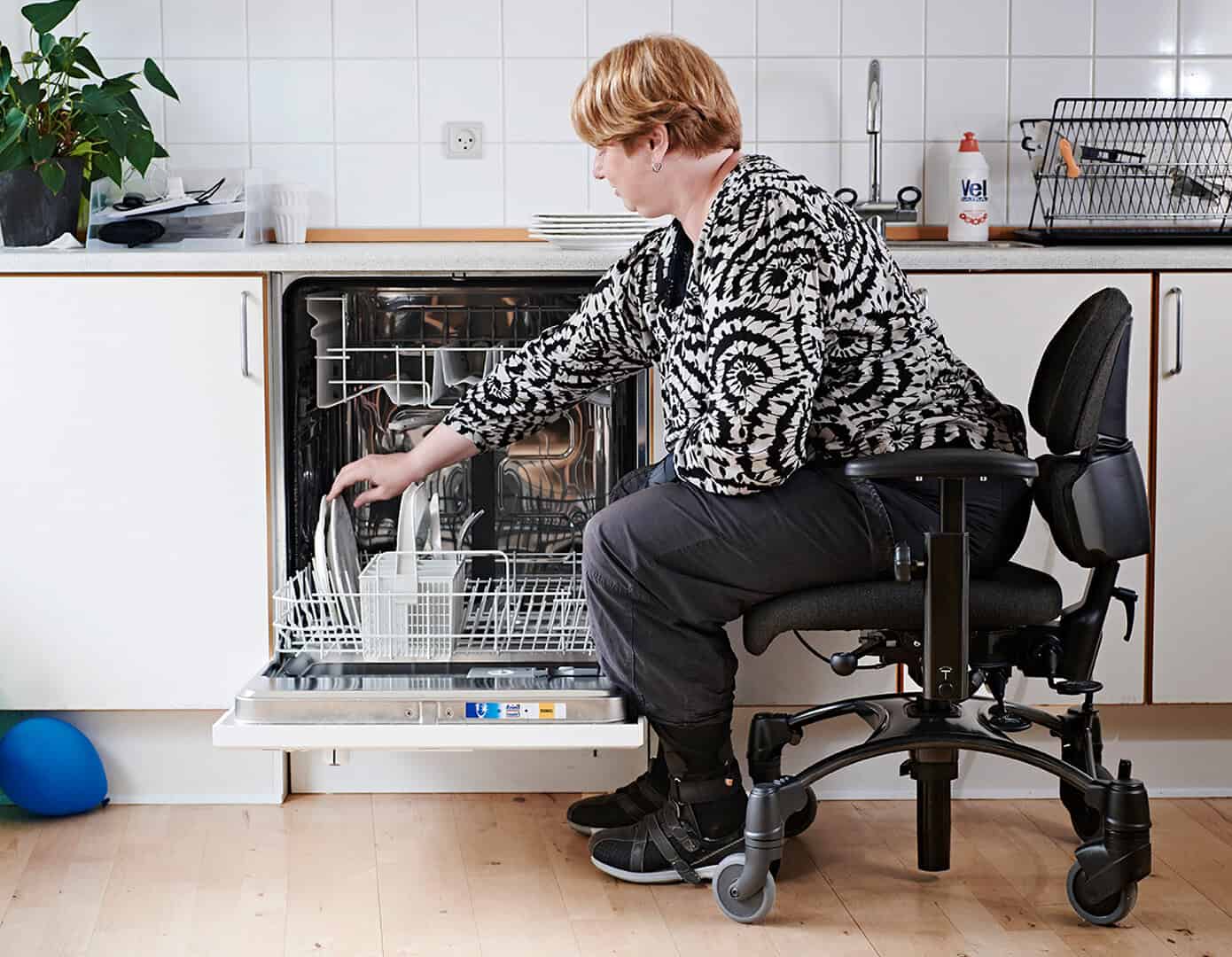
Assisted living and personal care scenarios highlight the need for tailored solutions that support the elderly in maintaining independence and safety without necessarily transitioning into more restrictive environments like nursing homes. In this context, considering technological aids and mobility solutions becomes important. One such solution is the VELA Independence Chair, which is a medically approved mobility chair designed specifically for use at home. It provides enhanced safety and freedom of movement while seated, support for daily activities such as cooking, dressing, or transferring, and significantly reduces the physical load on informal caregivers.
Making Informed Decisions in Senior Care Options
Choosing between assisted living and personal care is a decision laden with considerations ranging from healthcare needs to financial capacity. As highlighted by Presbyterian Senior Living, understanding the specifics of each option, coupled with financial and regulatory insights, empowers families to make decisions that best suit their loved ones’ evolving needs. Access to detailed, reliable information is pivotal in ensuring that the elder demographic can thrive with dignity and autonomy in later life.
How Mobility Solutions Like VELA Make a Difference
Staying independent at home is a realistic goal for many seniors, and mobility solutions like the VELA Independence Chair play a crucial role. These chairs can help individuals perform daily tasks such as cooking and cleaning more safely and with greater ease. By incorporating features like a central brake for stability, electric height adjustability, and smooth movement while seated, VELA chairs allow seniors to navigate their living spaces with confidence, thereby delaying the need for more intensive care settings such as nursing homes. The use of such mobility solutions not only promotes independence and dignity but also eases the burden on caregivers, making it a practical option for families aiming to support aging in place with dignity and comfort. For further insights into enhancing independence at home, explore resources on Mobility Aids for Daily Tasks.
References
- What’s Next for 2025: The Future of Assistive Technology & AI Assistants, Envision Community Blog, 2025
- Revolutionising Accessibility: The Role of AI in Assistive Technology, Digital Learning Institute, 2025
- Top Assistive Tech Trends for the Visually Impaired in 2025, Florida Reading Blog
- Assistive Technology Statistics and Facts (2025), Market.us Media
- Three New AI Breakthroughs Shaping 2026, Deloitte US Blog, 2025
- CES 2026: Ten Technologies from Age in Place Tech
- CES 2026: 4 Assistive Technology Exhibitors to Watch
- Accessibility Trends to Watch in 2026
- CES Accessibility Highlights