

Updated February 2026: We have updated the article with the latest developments in AI-powered mobility and predictive health monitoring, next-generation fall prevention and personalized care plans, recent innovations in adaptive bathroom safety, and advances in smart, data-driven support for both seniors and caregivers.
Tailored solutions for senior living in Montrose
Choosing the right assisted living facility is crucial for enhancing the quality of life and safety of seniors in Montrose, Colorado. This picturesque town, known for its welcoming community and stunning landscapes, also has a distinctive demographic: 46% of Montrose’s population is aged 50 or older. This statistic underscores the importance of senior care within the community. According to NCHS Data Brief, the majority of residential care community residents are aged 85 and older, with many experiencing chronic conditions like dementia, further amplifying the need for specialized care facilities in the area.
The landscape of assisted living in Montrose, Colorado
Understanding the landscape of assisted living in Montrose involves considering both the demographic profile and the specific needs of the senior population. With a high proportion of elderly residents, many face challenges such as memory impairments and fall prevention strategies in nursing homes. Facilities like Spring Creek Chalet address these issues with comprehensive memory care and chronic disease management programs. Increasingly, Montrose facilities are also exploring the integration of AI-powered assistive technologies—such as smart glasses for navigation, voice-activated assistants, wearable health monitors, and new gait-analysis sensors embedded in canes and walkers that provide real-time feedback to users and caregivers.[3][6] AI-powered walkers now adapt to users’ walking patterns and environments to reduce fall risks, representing significant advances beyond traditional mobility aids. According to AHCA/NCAL Facts & Figures, assisted living communities serve as crucial providers of these vital services.
Essential services and amenities for seniors in Montrose
Montrose’s assisted living facilities are recognized for offering a broad array of services designed to cater to their residents’ needs. From personalized memory care and structured wellness programs to fall prevention initiatives, these facilities work to promote optimal health and independence among seniors. Recent advancements include the adoption of AI-enabled fall detection and prevention systems, as well as predictive health monitoring devices that shift care from reactive to predictive models—such as smart toilet seats that continuously monitor and analyze health indicators to facilitate early disease detection.[5][6] These solutions enable identification of conditions like urinary tract infections and nutritional deficiencies before escalation. For example, Brookdale Sunrise Creek provides exceptional care with personalized memory care programs, while Heidi’s Chateau is noted for its home-like environment and attentive caregivers. A case study featured by SeniorLiving.org illustrates a resident’s enhanced well-being from tailored wellness initiatives and engaging social activities, which are pivotal in fostering a fulfilling lifestyle. Many facilities are working to incorporate smart, AI-driven tools, rehabilitation programs, and innovative adaptive bathroom equipment with adjustable ergonomics, anti-slip features, voice controls, and motion-activated lighting—addressing one of the most common injury sites for seniors.[7][6] These improvements, guided by evolving global standards, further personalize and improve care.
Navigating the costs of assisted living in Montrose
Considering the cost of assisted living in Montrose is essential. Monthly expenses typically range from $3,900 to $4,600, depending on the level of care required. Financial assistance options are available, including Medicaid support and private insurance plans. According to ConsumerAffairs, these costs align with national averages, providing families with a realistic foundation as they explore potential financial aid and insurance options to support their loved ones. Emerging care models show that investment in AI-driven assistive devices and predictive health technology can play a significant role in reducing long-term healthcare costs by supporting early intervention, fall prevention, and more efficient care management.[5]
Supporting independence with VELA mobility solutions
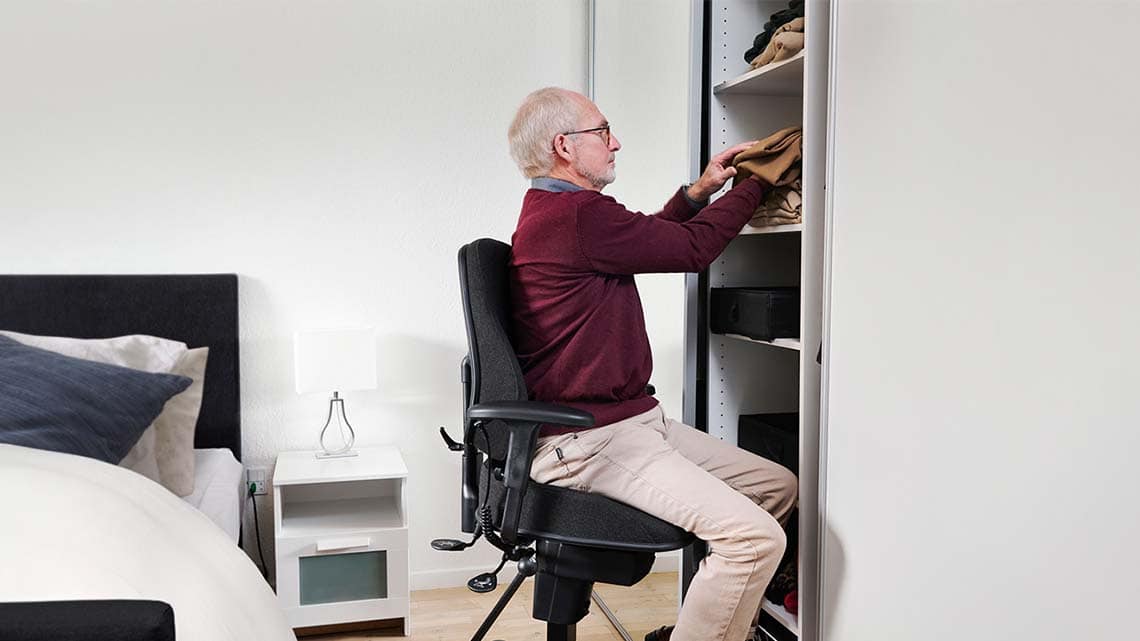
While assisted living facilities in Montrose provide significant support, some seniors prefer remaining in the comfort of their own homes, where they might face challenges like limited mobility and potential falls. Addressing these needs, VELA offers a transformative solution with their medically approved mobility chairs. Designed for home use, these chairs designed for seniors provide enhanced safety, freedom of movement while seated, and support for crucial daily activities such as cooking, dressing, or transferring. By reducing the strain on informal caregivers, VELA chairs promote an independent lifestyle, delaying the necessity for more intensive care environments. Consistent with today’s trends, these mobility solutions now embrace ergonomic, user-centered designs and, where available, smart customizable features that leverage gait-analysis sensors and AI-adaptive functions to better match individual needs.[2][6]
Supporting aging in place: A practical option
For many seniors and their families, maintaining independence at home is a priority. Mobility solutions like VELA Chairs play a vital role in achieving this goal by addressing common challenges related to safety and daily living. With features such as a central brake for enhanced safety, electric height adjustability, and seamless movement while seated, these chairs empower seniors to carry out everyday tasks with greater ease and confidence. The use of a VELA Chair can delay the transition to a nursing home by enabling seniors to partake in cooking, cleaning, and relaxing, thus preserving their dignity and autonomy. Today, alongside clinically proven devices like VELA, the broader landscape of assistive technology encompasses AI-powered home integration, predictive health monitoring, personalized wearable monitors for both seniors and caregivers, and affordable adaptive mobility aids—each designed around ergonomic, inclusive principles to meet evolving needs and support aging in place.[4] [6] While VELA is a proven and practical choice, it’s part of a broader and increasingly high-tech strategy to support aging in place, providing both comfort and peace of mind. For optimal results, the combination of established ergonomic solutions and available smart and AI-powered supports can further enhance safety and quality of life at home.
- Disabled and Elderly Assistive Device Market Report 2025–2030, Next Market Study Center: https://www.nextmsc.com/report/elderly-disabled-assistive-devices-market
- The Future of Assistive Technology & AI Assistants, Let’s Envision blog: https://www.letsenvision.com/blog/future-assistive-technology
- World Health Organization: Assistive Technology Data Portal: https://www.who.int/data/gho/data/themes/assistivetech
- Assistive Technology for Elderly People & AI in Nursing Homes, OK2StandUP Blog: https://www.ok2standup.com/assistive-technology-for-elderly-people
- ATIA (Assistive Technology Industry Association) resources: https://www.atia.org/home/at-resources/what-is-at/
- CES 2026 Accessibility Trends and Reports: https://www.ces.tech/topics/accessibility/