

Updated February 2026: We have updated the article to reflect Texas’ enhanced 2025 regulations on memory care within assisted living, including new requirements for Type B licensing with Alzheimer’s certification, expanded staff dementia training, mandatory disaster registry enrollment, and updated emergency planning. These regulatory changes set higher training, supervision, and safety standards for memory care in comparison to general assisted living.
Updated October 2025: We have updated the article to reflect new advancements in assistive technologies and ergonomic design for senior care. The revision includes information on AI-powered mobility aids, smart fall detection devices, and the integration of smart home adaptations in both assisted living and memory care. We have also expanded coverage of staff training for technology, the adoption of wearable rehabilitation robotics, and the enhanced value proposition of technology-enabled care solutions.
Choosing the Right Care for Your Loved One: Memory Care vs. Assisted Living
Deciding on the best care setting for a loved one is a critical decision, especially when considering options like memory care and assisted living. Understanding the differences is key to selecting the right environment for their unique needs and circumstances.
Distinguishing Levels of Care in Senior Living Options
When contemplating what is the difference between memory care and assisted living, it’s essential to start with the level of care provided. Assisted living is designed for seniors who need help with daily activities but wish to maintain a degree of independence. According to A Place for Mom, these communities offer support for tasks such as medication management and help with bathing, while allowing residents to live as independently as possible. Increasingly, these environments benefit from technology integration through the use of AI-powered mobility aids, such as autonomous wheelchairs, and the adoption of smart home features that enhance accessibility and independence[6].
In contrast, memory care caters specifically to individuals with Alzheimer’s disease, dementia, or other memory impairments. According to the Alzheimer’s Association, approximately 5.8 million Americans live with Alzheimer’s, emphasizing the increasing need for specialized care. Memory care facilities provide a structured setting with 24-hour supervised care tailored for cognitive challenges. In addition to tailored supervision, memory care settings are incorporating technologies like wearable fall detection devices and smart medication dispensers to proactively protect residents and encourage independence where possible[12].
Regulatory requirements and state-specific standards
Since May 2025, regulations in Texas have added new distinctions between assisted living and memory care. Facilities providing memory care within assisted living settings are now required to obtain a Type B license with Alzheimer’s certification if serving individuals with dementia-related diagnoses. All staff in Texas-based memory care facilities must complete initial and ongoing dementia training—including at least four hours of dementia-specific education upon hire and a minimum of two hours of annual continuing education thereafter[14],[17]. Basic dementia care training is now also required for all facility staff under Texas HB 1673, extending awareness across all care levels. Additionally, facilities providing memory care must enroll in the state disaster registry by April 2025 and prepare updated emergency plans following newly mandated core functions[13].
These heightened standards focus on providing enhanced supervision, secure environments, structured activities personalized to cognitive ability, and more comprehensive service plans for memory care residents than those offered in general assisted living settings. More information on these requirements can be found through compliance guides from the Texas Health and Human Services Commission and affiliated resources[13],[14],[17].
Expertise and Training: Caregiver Skills in Focus
The expertise and training of staff is another area where memory care differs significantly from assisted living. In assisted living, caregivers are trained to assist with activities of daily living but often lack specialized training for managing severe cognitive decline, as highlighted by The Arbor Company.
Memory care staff receive advanced training in dementia care, enabling them to engage residents in cognitive exercises and mitigate behavioral challenges. This specialized training allows caregivers to create a supportive environment that promotes safety, well-being, and dignity. With the growing adoption of assistive and smart technologies—including AI-based monitoring systems, rehabilitation robots, and voice-controlled home automation—staff are now increasingly trained to effectively support residents using these innovative devices to ensure the best possible outcomes[6],[8]. In Texas, this also includes formal dementia training programs that are mandatory for staff working in memory care settings[14],[17].
Safety and Environment: Tailoring Spaces for Seniors’ Needs
The physical environment of these care options also sets them apart. Assisted living facilities resemble residential settings, fostering a sense of independence. Residents enjoy shared dining areas and community engagement. However, memory care units are designed with safety as a priority, offering secure walking paths and restricted access to prevent wandering, as detailed by Village Walk Senior Living.
The structured environment of memory care facilities is crucial for individuals with cognitive impairments, allowing them to thrive in a space where their unique needs are anticipated and met. For instance, memory care environments often feature color-coded walls and simple signage to help residents navigate their surroundings more easily. Recent trends see both assisted living and memory care incorporating universal design principles and smart home adaptations—such as voice-activated lighting and automated doors—to further improve accessibility for residents with mobility or dexterity limitations[12]. Contemporary Texas regulations require memory care facilities to update and document emergency plans, further safeguarding resident safety through oversight and structured protocols[13].
Activities and Costs: Balancing Engagement and Financial Considerations
Both assisted living and memory care offer activities, though they differ in focus. Assisted living provides social opportunities through group activities, suitable for seniors who are generally healthy with slight assistance needs. Memory care, conversely, provides dementia-specific programs designed to slow cognitive decline and aid skill maintenance, as outlined on WebMD. Additionally, the use of cognitive assistive technologies—such as smart medication dispensers and real-time health monitoring—has become a standard support in both types of care settings, further enhancing residents’ engagement and safety[12]. In Texas, memory care environments are mandated to provide structured cognitive activities and individualized service plans as part of regulatory compliance[13],[14].
Financial considerations also vary significantly. Assisted living is typically less costly than memory care due to lower staff-to-resident ratios and fewer specialized services. Memory care involves higher expenses, reflecting the intensive supervision and specialized support provided. According to Three Pillars Senior Living Communities, facilities offering both options allow residents to transition seamlessly as their care requirements evolve. With the increased adoption of technology-enabled care—including AI-based fall prevention, personalized rehabilitation robotics, and smart medication management—the value proposition of such investments is improving, as these tools are shown to reduce falls, enhance medication adherence, and support greater independence[6],[12].
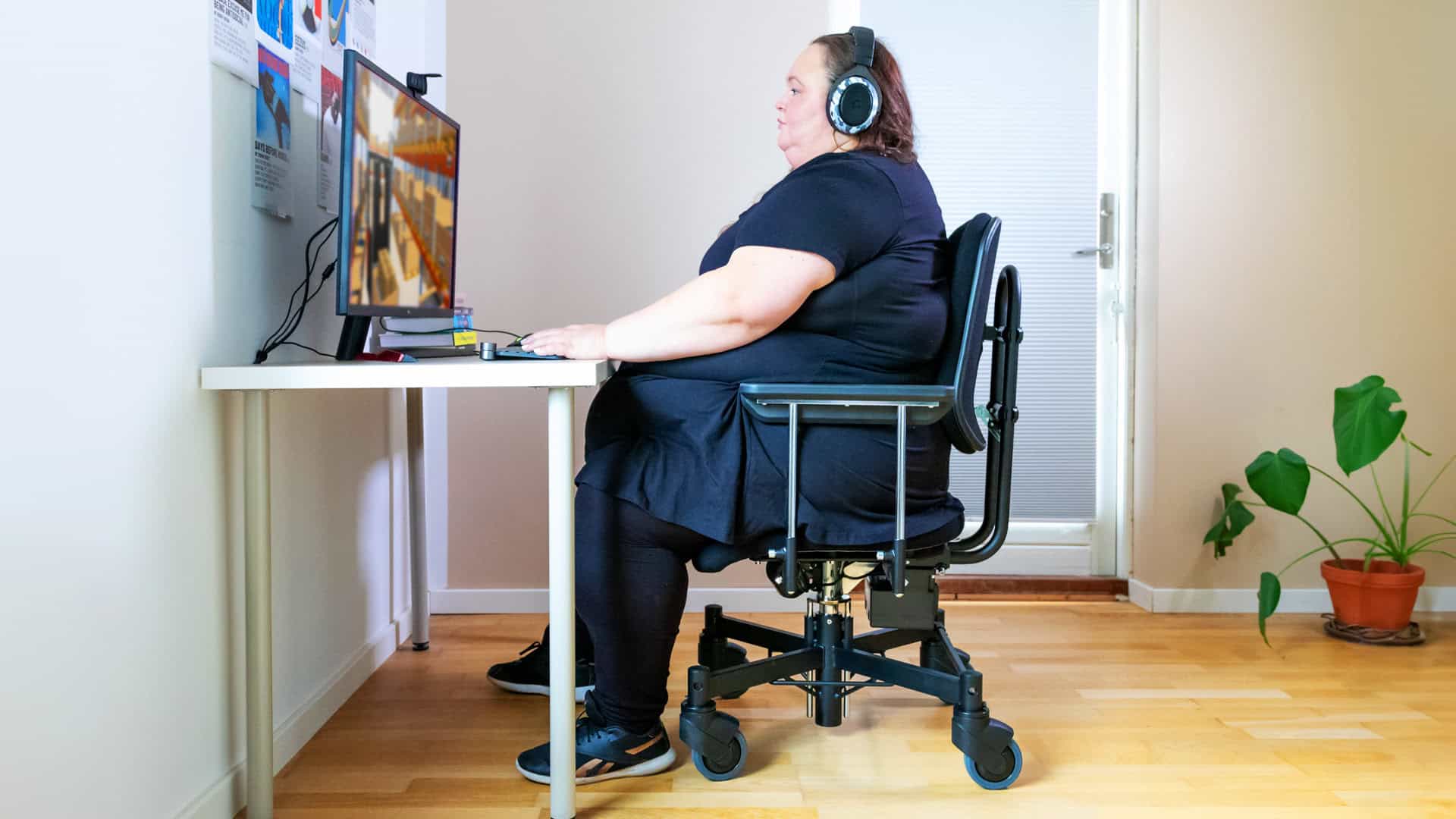
To address these challenges, innovative solutions like the VELA Independence Chair can help facilitate independence for seniors wanting to remain at home. VELA chairs are medically approved mobility aids designed to enhance safety and provide freedom of movement while seated. These chairs assist with daily activities, including cooking, dressing, or transferring, significantly reducing physical strain on both the user and informal caregivers. As part of an evolving landscape, VELA Chairs also complement a new generation of ergonomic, AI-enhanced mobility aids and rehabilitation devices, demonstrating how advanced technology now bridges gaps between home care, assisted living, and memory care[8].
How Mobility Solutions Like VELA Make a Difference
Mobility solutions, such as VELA Chairs, offer effective alternatives to traditional care facility settings by supporting independence and comfort at home. These chairs are designed to help individuals maintain their daily routines with ease, from cooking to cleaning, thus delaying the need for more intensive care options. Key features, including a central brake for safety, electric height adjustability, and an ease of movement while seated, ensure that users retain their dignity and freedom.
By minimizing the risks associated with falls and reducing physical effort in activities, they address common concerns about aging at home. While VELA Chairs represent a proven solution, they are part of a broader assortment of products—like chairs designed for seniors’ independence—that empower aging individuals to live securely and comfortably. Increasingly, the next generation of assistive technologies includes AI-powered mobility aids, smart canes with obstacle detection, wearable rehabilitation robots, and intuitive voice- or touch-free control devices. These enable further accessibility and broaden the potential for independence in both assisted living and memory care[6],[8],[12]. Keeping safety and energy conservation in mind, these mobility aids are invaluable in supporting a fulfilling, independent lifestyle for seniors in all care environments.
References
- AI-powered wheelchairs and robotic mobility aids: Innovations in Mobility Aids, Innovations in Assistive Technology (equalaccessibility.co)
- Wearable medical robots and rehabilitation technologies: 13 CES 2025 award-winning assistive tech innovations (connsensereport.com)
- Smart fall detection wearables, smart medication dispensers, and voice assistants: 10 Best Assistive Technology Devices for 2025 (assistivetechhub.com.au)
- Texas Assisted Living Compliance: The Complete 2025 Provider Guide. https://synkwise.com/news/texas-assisted-living-compliance/
- Memory Care Facilities in Texas | A Place for Mom. https://www.aplaceformom.com/alzheimers-care/texas
- Assisted Living Regulations in Texas. https://tala.org/policy/assisted-living-regulations-in-texas/