

Updated February 2026: We have updated the article with the latest advancements from CES 2026 and recent research in assistive technology. New content covers AI-powered smart wheelchairs with autonomous navigation and pressure-monitoring sensors (e.g., LUCI, Robooter X40), all-terrain and stair-climbing power chairs (e.g., XSTO X12), wearable AI devices for visual and mobility impairments (iSee glasses, Aleye wristbands), innovative home robots, and cutting-edge environmental control and eye-tracking systems to better support independence and aging in place.
When Assisted Living Is No Longer Enough: Recognizing the Signs
For many families, deciding to move a loved one from assisted living to a higher level of care is challenging and emotionally charged. Recognizing when assisted living no longer suffices is crucial for ensuring the well-being and safety of seniors. According to CDC, approximately 6 million Americans suffer from Alzheimer’s or related dementias, requiring increased care levels as the disease progresses. So, how do you know when it’s time to make that transition?
Recognizing the Signs: When Assisted Living is No Longer Sufficient
Cognitive decline is often the most apparent sign that assisted living may not suffice. Memory loss and behaviors associated with dementia can surpass the scope of care that assisted living provides. According to a peer-reviewed journal, individuals often transition when experiencing significant cognitive impairment, inability to perform daily activities, or frequent health emergencies.
Frequent falls and medical emergencies are physical indicators. Seniors experiencing repeated hospital visits or difficulty managing medications may require more intensive supervision. Emotional needs, such as depression or social withdrawal, can also suggest a necessary change. According to A Place for Mom, these are common triggers for transitioning to higher care levels.
Understanding Your Options: Higher Levels of Senior Care
When assisted living is not enough, families must explore alternatives tailored to their loved ones’ needs. Memory care facilities provide environments with security and cognitive support specifically for dementia patients. For continuous medical oversight, skilled nursing facilities deliver 24-hour care. As noted by NIH, these facilities are crucial for individuals requiring full-time supervision or skilled nursing. Illustratively, families often share stories of transitions, like a senior thriving in a memory care setting due to personalized cognitive therapies unavailable previously.
Alternatives and Supplements to Facility-Based Care
For some, home-based care may be preferable. Services like home health aides offer seniors personalized assistance at home. Residential care homes provide smaller, community-oriented environments with structured support. Community programs like PACE (Programs of All-Inclusive Care for the Elderly) offer comprehensive medical and social services for seniors maintaining independence at home. Insights from A Senior Connection indicate these solutions can effectively delay transitions to institutional care.
Emerging Assistive Technologies: A New Era of Personalized Support
Rapid advancements in assistive technology are transforming support options for those whose needs go beyond traditional care services. AI-powered smart wheelchairs such as LUCI add-ons and Robooter X40 now feature autonomous navigation and real-time obstacle detection sensors, allowing users to navigate complex indoor and outdoor environments—significantly reducing caregiver dependence and hospitalizations due to falls or pressure ulcers.[1][2][5] Innovations like the XSTO X12 all-terrain and stair-climbing power chair expand accessibility outside the home, making activities possible even in environments that were previously inaccessible.[2]
Wearable AI devices further promote autonomy. Solutions such as iSee smart glasses provide real-time navigation and text-to-speech for users with vision loss, while Aleye haptic wristbands and facial expression recognition via smart glasses enhance situational awareness for both visually and cognitively impaired users.[1][5] Exciting products highlighted at CES 2026, such as the WheelMove powered wheelchair attachment (up to 25 km range), offer a cost-effective way to upgrade manual wheelchairs with enhanced power and autonomy, supporting independent mobility for longer.[2]
Artificial intelligence is also driving new mobility and safety solutions for the home. Home robots like ReviMo Niko can assist with transferring users from bed to wheelchair, reducing the risk of injury and fostering independence for those with severe mobility impairments.[5] Environmental control systems (ECS), voice-activation (including MaaS-Bridge AI for accessible transport), and advanced eye-tracking technologies (e.g., Tobii Dynavox) are increasingly integrated with smart homes, especially benefiting users with quadriplegia, ALS, or high spinal cord injury by enabling them to operate household functions, access digital platforms, and communicate independently.[3]
Recent adoption trends suggest these technology upgrades enable seniors and people with disabilities to remain in their homes for longer periods, delaying or preventing the need for assisted living or higher care facilities.[1][2][3][5] Funding for such equipment is also evolving, with insurance programs and regional toolkits supporting access to modular upgrades (such as LUCI kit add-ons), and clinical trials evaluating technology like Neuralink for individuals with paralysis.[1][2]
Financial Considerations and State Regulations
Understanding the financial landscape is crucial when transitioning to higher care levels. Navigating Medicaid/Medicare coverage specifics is essential, as is exploring state regulations and quality standards to ensure transparency and quality in care facilities. The Medicare.gov platform offers detailed comparisons of nursing homes and compliance standards, helping families make informed decisions. Funding pathways for advanced assistive technologies are improving, including insurance eligibility for modular smart wheelchair kits and powered attachments such as WheelMove and LUCI.[1][2] Strategic financial planning remains vital, as families must weigh the benefits of in-home technology upgrades against the costs and regulatory frameworks of traditional facility-based care.
Navigating the Next Steps in Senior Care
Recognizing when assisted living is not enough is pivotal in a family’s caregiving journey. Transitioning to memory care, skilled nursing, or home-based alternatives involves evaluating cognitive and physical needs while understanding financial implications. Each choice has its own challenges and opportunities, making it vital to stay informed and empathetic to a loved one’s evolving needs. As noted by Benedictine Living, it’s about finding the right balance to ensure quality of life and dignity for seniors in their later years.
Supporting Aging in Place: A Practical Option
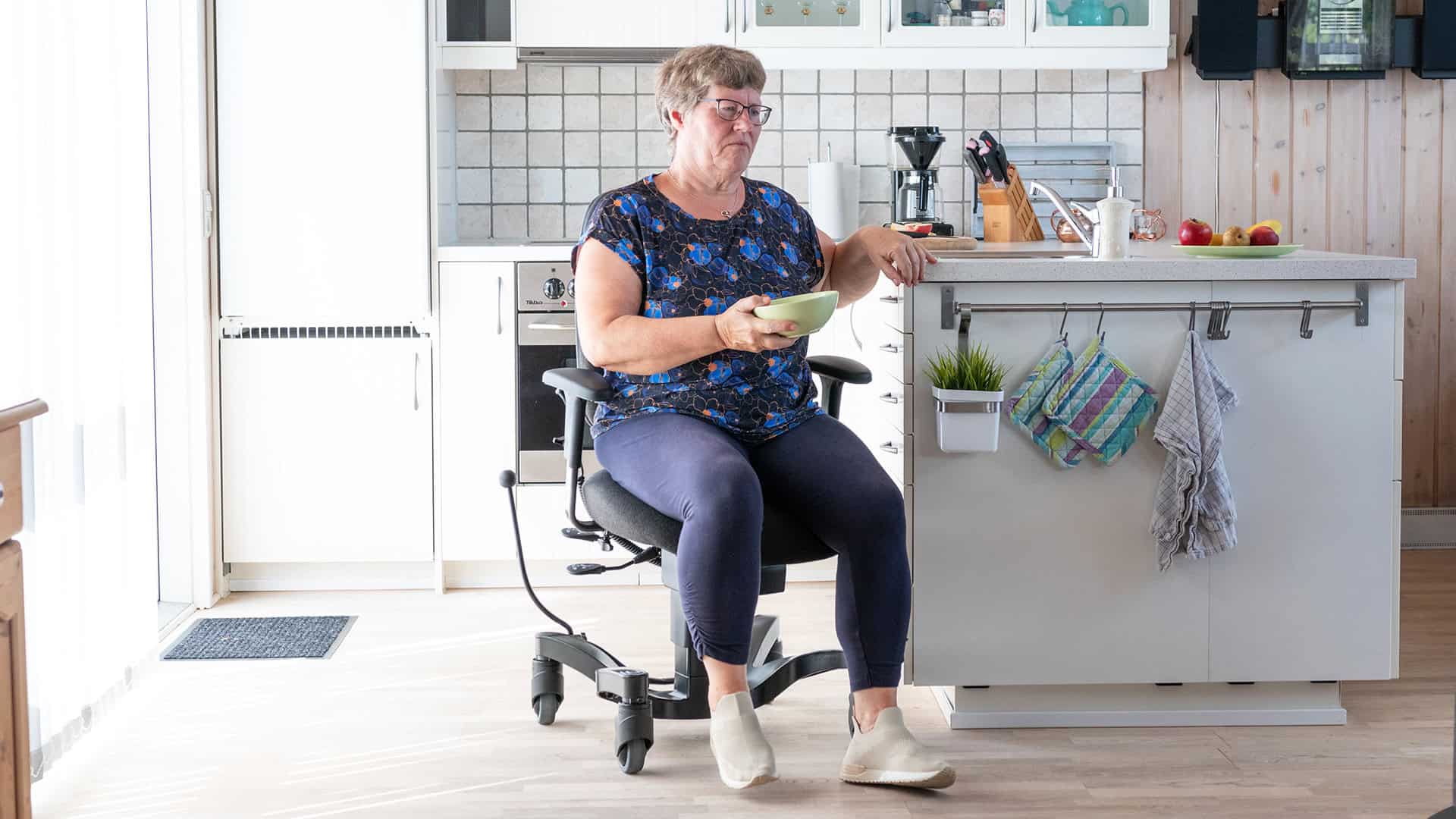
Mobility solutions like VELA Chairs significantly contribute to enabling seniors to stay independent and safe at home. With features such as a central brake for stability, electric height adjustability, and ease of movement while seated, VELA Chairs address common challenges such as safety and ease of transfers at home. These innovative chairs reduce the physical burden on caregivers and delay the need for a nursing home by allowing seniors to engage comfortably in daily activities like cooking and cleaning. VELA offers a dignified, practical solution that emphasizes the values of freedom and safety. While there are various options for ensuring independent living, the practical benefits provided by VELA Chairs underscore their value in supporting aging in place.
References
- Exciting Assistive Technology for People with Disabilities – AI smart wheelchairs (LUCI, Robooter X40), iSee glasses, Neuralink trials[1]
- CES 2026: 4 Assistive Technology Exhibitors to Watch – Details WheelMove, MaaS-Bridge, SEERU, XSTO innovations[2]
- 10 Assistive Technology Types You Should Know (2026) – ECS, eye-tracking (Tobii Dynavox), speech recognition for mobility-impaired[3]
- WHO: Fact sheets on assistive technology and global policy context[10]
- CES 2026 Includes Mobility, Health and Smart Home Tools with Accessibility Potential – Covers ReviMo robot, Aleye haptic wristband, Nemonic Dot Braille printer[5]
- Assistive Technology Outcomes and Benefits (ATOB) Journal: Peer-reviewed research on AT innovations, clinical outcomes, and policy[4]
- PubMed Central (PMC): Recent review on advances in BCIs, exoskeletons, and personalized AI solutions in neurology and rehabilitation[6]
- CSUN Assistive Technology Conference 2025: Highlights on Aira, gamified ASL learning, and breakthrough wearable interfaces[3]
- CES.tech Accessibility Topic Page – Overview of AI, voice activation, inclusive design trends[9]
- Journal of Visual Impairment & Blindness (JVIB): Forthcoming special issue on AI-powered image recognition and natural language processing in AT[9]
- Think Beyond the Chair: Expert-curated roundup of 2025’s top assistive tech gadgets, including smart glasses and brain-controlled prosthetics[5]
- AssistiveTechHub Australia: Trends in smarter mobility aids and voice-activated home systems, with a focus on NDIS-supported adoption[13]
- CES 2025 Awards: Coverage of award-winning innovations such as the Bio Leg prosthetic, H-Medi wearable rehab robot, and L’Oréal SYNC assistive beauty system[14]
- A Senior Connection: Alternatives to traditional assisted living[11]
- A Place for Mom: Assisted Living Alternatives[12]