

Updated February 2026: We have updated the article with new findings on AI-integrated mobility aids, smart home devices for seniors, advanced wearable health monitors, robotic assistive technology, sustainable equipment designs, and the growing adoption of predictive, personalized care for Iowa’s aging population. The content now covers the latest trends in AI-powered fall detection, voice-activated safety features, eco-friendly durable medical equipment, and the expanding use of predictive analytics and caregiver support wearables.
Charting the Future of Senior Care in Iowa
As Iowa’s senior population continues to expand, understanding the assisted living landscape is crucial for families and caregivers planning the next steps for their elderly loved ones. With Iowa having a substantial percentage of adults over 80, the state is projected to have more residents aged 65 and older than those under 18 by 2030, according to research by Daily Iowan. This demographic shift calls for a focus on robust elderly care solutions. According to the American Health Care Association, Iowa’s elderly population is well-supported by healthcare facilities in every county, creating a strong foundation for senior care.
Demographic Shifts: Iowa’s Expanding Senior Community
Iowa’s demographic trends indicate significant shifts in the age distribution, affecting senior care accessibility. Families, like the Andersons in Des Moines, are navigating these changes with real-life scenarios of finding suitable care for their 85-year-old mother. They sought guidance from the Iowa Department of Elder Affairs, a growing scenario among many Iowans. As the population ages, increased demand for healthcare services and personalized care options become apparent challenges.
Exploring Assisted Living Choices Across Iowa
Assisted living facilities in Iowa provide diverse options, from urban to rural settings, each with unique benefits and challenges. Urban facilities often offer specialized medical care and social activities, whereas rural settings might provide tranquility and closer-knit communities. Take the case of Mr. Johnson, who smoothly transitioned from independent to assisted living in Greene County, where he found comfort in familiar surroundings. Insights from the National Investment Center for Seniors Housing & Care emphasize the significance of these environments on senior care quality, advocating for personalized solutions.
Navigating the Costs: Funding Senior Care in Iowa
Financing assisted living in Iowa poses challenges, with costs often surpassing national averages. As highlighted by Genworth Financial, the annual median cost for assisted living in Iowa is about $60,400, which can significantly impact seniors’ financial resources. Fortunately, solutions such as Medicaid programs tailored for elder care exist, helping ensure seniors maintain their quality of life without depleting savings.
Understanding Regulations: Ensuring Quality in Iowa Assisted Living
Iowa’s regulatory framework for assisted living facilities is designed to uphold senior well-being. The Iowa Department of Elder Affairs and the Department of Inspections and Appeals oversee these regulations. A notable case is Rosewood Homes in Cedar Rapids, which became a model of excellence after regulatory enforcement enhanced their care services. This scenario highlights the importance of understanding state regulations for families and caregivers.
Efforts to maintain independence and safety in assisted living facilities are increasingly supported by advanced assistive technologies and mobility solutions. The latest innovations now include AI-powered mobility aids, such as gait-adapting walkers that adjust movement patterns in real time and predictive fall detection technology—these systems use smart sensors, AI analytics, and can even communicate potential risks directly to caregivers. Smart home devices, including voice-activated bathroom safety equipment and automated, app-synced medication dispensers, are now widely available and play a vital role in preventing common injuries among seniors. Wearable health monitors provide not only emergency alerts but also predictive analytics, supporting caregivers and enabling more proactive care.
Additionally, robotic companions are being introduced to help address loneliness and support daily activities, with a rise in eco-friendly, durable medical equipment options. Insurance plans in Iowa have expanded to include advanced and sustainable DME, increasing accessibility for seniors.
The integration of these smart and AI-driven solutions reflects a shift towards proactive, personalized senior care. Technology adoption rates among Iowa’s older adults are rising, with approximately 30% now routinely using AI-enabled health monitoring tools for daily wellness and safety.[1][2][3][4][5][6][7][9]
Charting the Future of Senior Care in Iowa
Navigating Iowa’s assisted living landscape necessitates informed decision-making, considering diverse options and financial implications. Iowa’s commitment to high standards and supportive healthcare infrastructure offers assurance to families planning their loved ones’ futures. According to HealthAffairs Journal and Genworth Financial, ongoing analysis of cost trends and regulatory updates is vital for addressing Iowa’s evolving senior care needs.
Smart technology and AI analytics are at the forefront of Iowa’s senior care transformation. In addition to traditional mobility aids, CES 2026 innovations—such as smart toilet seats that assist in early disease detection—are being adopted. Bathrooms and bedrooms can now feature motion-activated lighting and voice-controlled safety devices that minimize nighttime falls or mishaps. Personal wellness plans, developed using data-driven predictive analytics, are helping seniors remain safely at home for longer, while wearable sensors for caregivers further enhance emergency response capabilities.
With updated regulatory and clinical frameworks focusing on safe, effective technology deployment, the state’s aging population now benefits from a proactive, highly personalized care model. The shift from reactive to preventive care through AI-enabled solutions underscores Iowa’s leadership in fostering environments that empower the elderly.[1][4][5][6][7][9]
Focusing on personalized care, leveraging state resources, and comprehending regulatory demands, Iowa is positioned to meet the needs of its aging residents, ensuring a fulfilling and dignified experience for the elderly. Emphasizing safe and supportive environments fosters a vibrant senior community at the forefront of quality care.
How Mobility Solutions Like VELA Make a Difference
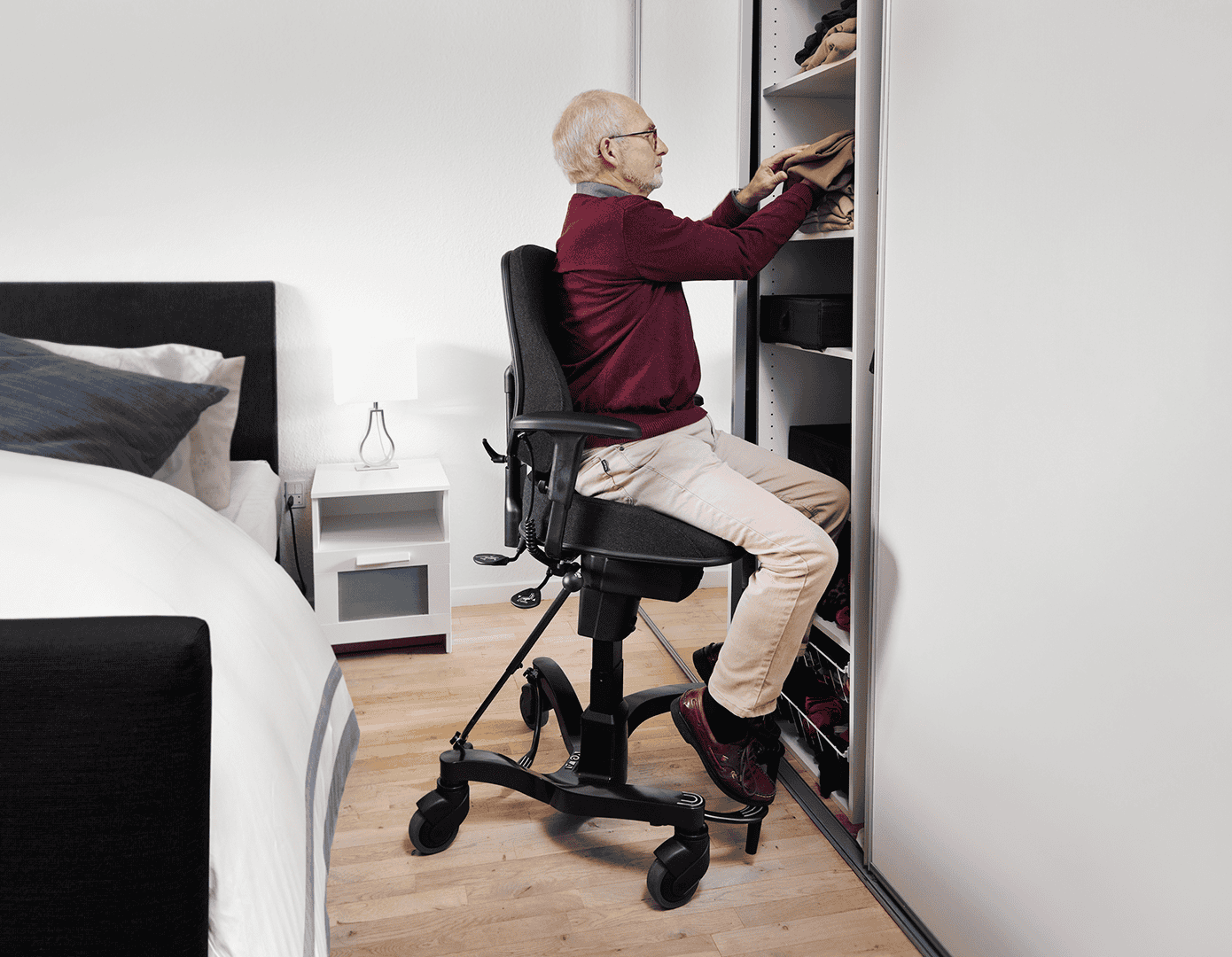
For seniors wishing to remain in their homes, mobility solutions such as VELA Chairs provide significant benefits. These chairs offer features like electric height adjustability and a central brake for added safety, allowing seniors to perform tasks such as cooking or dressing more independently. Mobility Solutions for Assisted Living highlight how these aids can enhance freedom and reduce safety risks. Supported by the latest assistive technologies—including AI-based fall detection, remote health monitoring, and personalized, app-enabled interfaces—mobility solutions are more integrated than ever into daily life.
By supporting seamless movement between activities, VELA Chairs can help delay transitioning to a nursing home. Smooth-rolling wheels, sustainable ergonomic design, and compatibility with home automation systems make repositioning within a home effortless and energy-saving. Iowa seniors also benefit from user-centered development and sustainable materials found in the newest equipment. While VELA is not the only option available, it remains a practical choice for fostering dignity, safety, and autonomy at home, complementing other Assisted Living Safety Measures that focus on fall prevention and caregiver support.[1][2][3][4][5][6][7][9]
References
- Market Overview Technology for Aging 2025
- U.S. Assistive Technologies for Older Adults Market 2025
- A Guide to Useful Technology for Older Adults in 2025
- University of Florida Online Aging: Assistive Technology Devices
- K4Connect: Future of Senior Living at CES 2026
- Envision Blog: The Future of Assistive Technology & AI Assistants
- AANP: Top Five Health Care Trends for 2026
- Senior Living Technology Trends 2025
- AARP Tech Trends Series