

Updated February 2026: We have updated the article with the latest advancements in technology-driven memory care, including AI-powered wearables, VR/AR therapies, smart mobility aids, hybrid care models, and improved ergonomic and safety features for assisted living environments.
Understanding assisted living memory care: a comprehensive guide
Assisted living memory care is a form of long-term care specifically for individuals with Alzheimer’s disease, dementia, or other cognitive impairments. It combines medical care and residential support to create a safe environment addressing the unique challenges these conditions present. According to AARP, approximately 70% of adults over 65 will need some form of long-term care, with many experiencing cognitive decline. Understanding assisted living memory care options is crucial for families making informed decisions about care.
Unique aspects of memory care versus traditional assisted living
Memory care features distinct elements to meet the needs of those with cognitive impairments. Facilities now emphasize a combination of ergonomic design, technological integration, and highly personalized support plans to address both physical and emotional needs. Recent developments include:
- Specialized environment: Purpose-built spaces that reduce confusion and prevent wandering, with secured units providing an extra layer of safety. Enhanced by features such as sensory-friendly layouts and familiar visual cues to promote comfort and recognition. See more at A Place for Mom.
- Expertly trained staff: Caregivers with specialized dementia training, helping residents through activities that maintain cognitive function.
- Personalized service plans: Tailored activities and care plans based on individual needs, including resident-specific routines, targeted therapy (such as music or art), and flexible engagement based on current abilities and preferences. This approach places greater emphasis on sensory stimulation and familiar routines to help residents thrive.
Consistent, personalized care can significantly enhance residents’ quality of life by offering familiar routines and supportive interactions. The integration of advanced technologies, such as AI-powered monitoring systems, wearable devices for real-time safety and cognition support, smart sensors for fall detection, and VR/AR tools for reminiscence and therapy, further improves safety, engagement, and communication within these environments[1], [3], [4], [6].
Identifying candidates for memory care
Candidates for memory care often:
- Have a diagnosis like Alzheimer’s or vascular dementia.
- Face significant safety risks at home.
- Require more oversight than standard assisted living can offer.
Imagine a family who decided to transition their mother after several incidents at home. Once settled in memory care, she thrived due to 24/7 supervision and activities tailored to her cognitive abilities, ensuring peace of mind for her family.
Navigating regulations and costs in memory care
Each state has specific regulations targeting:
- Staff training and qualifications, now increasingly aligned with updated health policies focused on technology use, digital tools, and person-centered care.
- Security measures to protect residents, including AI-driven monitoring systems, smart alerts, and automated access controls.
- Required specialized programming for memory support, with more facilities adopting data-driven strategies, personalized care plans supported by real-time analytics, and hybrid models that combine assisted living with memory care.
Facilities undergo routine inspections and must comply with local guidelines. Given the enhanced services and incorporation of advanced technologies, the cost of memory care often exceeds that of standard assisted living. Families should explore insurance options, subsidies, or payment plans to manage these expenses. Providers are also responding to growing demand by expanding tech-enabled personalized services and ensuring regulatory compliance with measurable outcomes and higher-acuity memory care[1], [7].
Enhancing mobility and safety with VELA chairs
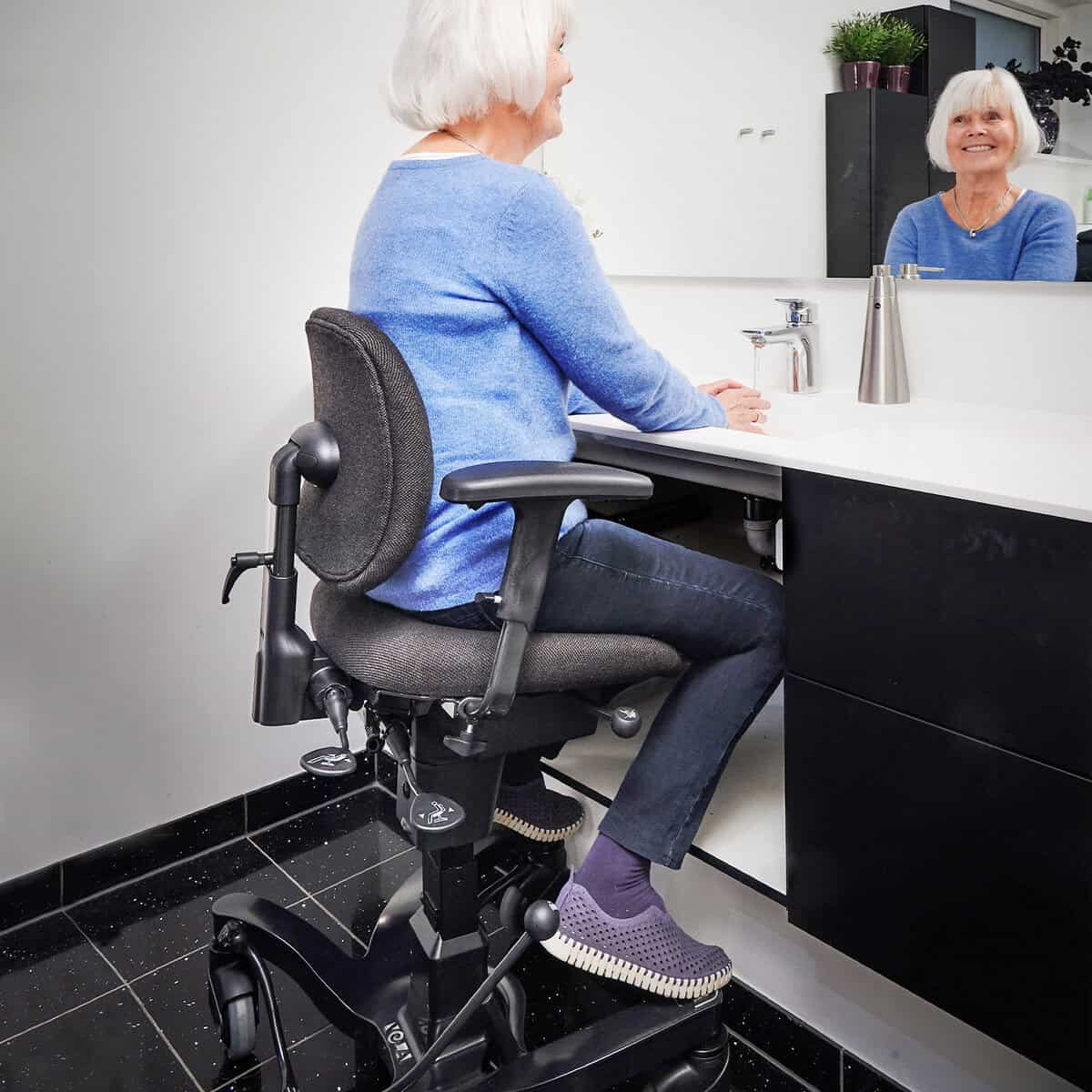
While many older adults may transition to nursing homes due to mobility challenges and safety concerns, solutions are available that can help them retain their independence within the home. VELA chairs are one such solution, offering a medically approved mobility chair designed for home use. These chairs enhance safety and provide freedom of movement while seated, aiding in daily activities such as cooking, dressing, or transferring. By reducing strain on informal caregivers, VELA chairs support both user independence and caregiver respite. Recent advancements in assistive devices now include AI-powered mobility aids, exoskeletons, smart wheelchairs with voice or autonomous navigation, ergonomic upgrades, and facility adaptations such as safer walkways. These innovations further improve user experience and enable aging in place with confidence[1], [4], [6].
The value of tailored memory care solutions
Memory care provides advantages including enhanced security, specialized staff, and personalized care plans that standard assisted living might not offer. As highlighted by Cedarhurst Living, selecting the correct senior care is vital to preserving safety, independence, and quality of life.
Families should assess cognitive status, safety needs, and long-term care options when evaluating memory care. It ensures a comprehensive care plan that emphasizes the well-being and dignity of residents with cognitive challenges. The latest trends in memory care now encourage collaborative, technology-supported plans that address each resident’s sensory, emotional, and cognitive needs. Facilities increasingly employ digital brain health programs, neuroplasticity tools, hybrid models that combine assisted and memory care, and supportive technologies to maximize well-being and engagement. Understanding the benefits of updated memory care services allows families to make informed choices that best meet their loved one’s needs[1], [9].
Supporting aging in place: a practical option
For seniors aiming to maintain their independence at home, mobility solutions like VELA chairs can make a significant difference. These chairs offer features such as a central brake for safety, electric height adjustability, and ease of movement while seated. By addressing concerns like safety, energy conservation, and ease of transfers, VELA chairs may help delay the need for a nursing home. Users can enjoy more comfortable and secure experiences while engaging in everyday tasks such as cooking and relaxing. Enhanced smart features in assistive devices are now available to further support independence and safety at home, including smart wheelchair power add-ons, voice controls, and all-terrain mobility aids. While VELA is a proven and practical choice, families are encouraged to evaluate all their options, including the latest ergonomic and technological advancements, to best support aging in place. Learn more about their benefits on Mobility Solutions for Seniors.