

Updated February 2026: We have updated the article with new research highlighting expanded technology integration in assisted living pharmacy services, the increasing prevalence of home-based long-term care and aging in place, advances in digital medication management systems, and trends shaping pharmacy infrastructure and workflows in 2026.
Understanding Assisted Living Pharmacy Services: Scope and Role
Assisted Living Pharmacy Services (ALPS) play a crucial role in elderly care, especially for residents with multifaceted health needs. These services extend beyond traditional medication dispensing to encompass comprehensive management of medication procurement, storage, and administration. According to Senior Care Pharmacy Coalition, ALPS are tailored to residents requiring assistance with activities of daily living (ADLs) who often manage multiple chronic conditions. This role involves close collaboration with healthcare providers and care teams to ensure that medications are stored and administered safely and in compliance with evolving health needs and regulatory standards.
Pharmacy services are increasingly leveraging new technology to enhance care. Tools such as electronic medication administration records (eMAR), automated medication dispensing, and telehealth are employed to streamline medication management, minimize administrative errors, and improve communication and coordination among healthcare providers and assisted living facilities. These innovations help reduce medication errors by up to 80% and support staff by lowering their administrative burden, ultimately allowing more focus on personalized care[5], [3], [8].
The scope of pharmacy services has also broadened beyond dispensing. Pharmacies now commonly provide clinical consultation, medication management support, and ongoing staff education. They assist in care coordination for residents with complex needs. Many senior living providers are establishing their own pharmacy programs or partnering with specialized providers to strengthen clinical integration, improve medication safety, and achieve operational efficiency[2], [4], [5].
Imagine Mary, an 82-year-old resident with diabetes and dementia. Her regimen includes multiple medications that require precise timing and administration. The ALPS pharmacist acts as a conduit among Mary’s healthcare provider, her family, and the facility’s care team, regularly reviewing her medication plan to adapt to changes in her health. With integrated digital tools and care collaboration, Mary’s medication management becomes safer and more responsive to her needs.
Medication Management Challenges in Assisted Living Populations
Residents of assisted living often face challenges such as dementia and polypharmacy, which increase the potential for medication errors and adverse events. Recent advances in pharmacy services employ digital platforms and automated dispensing to help mitigate these risks[3], [8]. Strategies to address these challenges include frequent medication reviews, deployment of electronic records for greater accuracy, and thorough staff training. According to PharmCareUSA, proper drug handling and secure storage are vital to preventing such errors.
Consider the success story of Green Valley Assisted Living, which successfully minimized medication errors through an enhanced training program focused on safe drug administration. Adding technology to the workflow and ongoing education, their initiative not only improved resident safety but also elevated the overall quality of care, demonstrating the power of preventive and technology-enabled medication management.
Regulatory Requirements for Assisted Living Pharmacy Services
Adhering strictly to regulatory requirements is paramount for ensuring safety and compliance in ALPS. Regulations govern aspects such as secure storage, temperature control, and accurate medication labeling to avoid administrative errors. Non-compliance can result in severe penalties, including fines or the revocation of licensure, as highlighted by the New Jersey Administrative Code. Digital innovation, such as eMAR systems, is increasingly used to enhance compliance and reporting efficiency in daily operations[5], [8].
An illustrative case involved a facility penalized for neglecting these crucial standards, emphasizing the necessity of rigorous compliance to preserve operational integrity and resident safety.
How to Evaluate and Choose Quality Pharmacy Providers
Choosing the right pharmacy provider requires considering factors like service quality, compliance history, technology capability, and resident and family satisfaction. Providers offering integrated digital solutions and clinical support can help reduce medication errors, support staff, and streamline regulatory compliance[4]. The cost is another critical factor, with transparency being crucial in understanding what drives price variability. The Senior List notes the prevalence of over 30,500 assisted living communities in the U.S., highlighting the importance of making informed decisions.
For instance, the Smith family chose their provider based on responsiveness, comprehensive technological resources, and evaluations of various providers. Their satisfaction underscores the value of thorough assessment and informed decision-making in their choice.
Innovative Tools: Integrating VELA Chairs for Safer Medication Administration
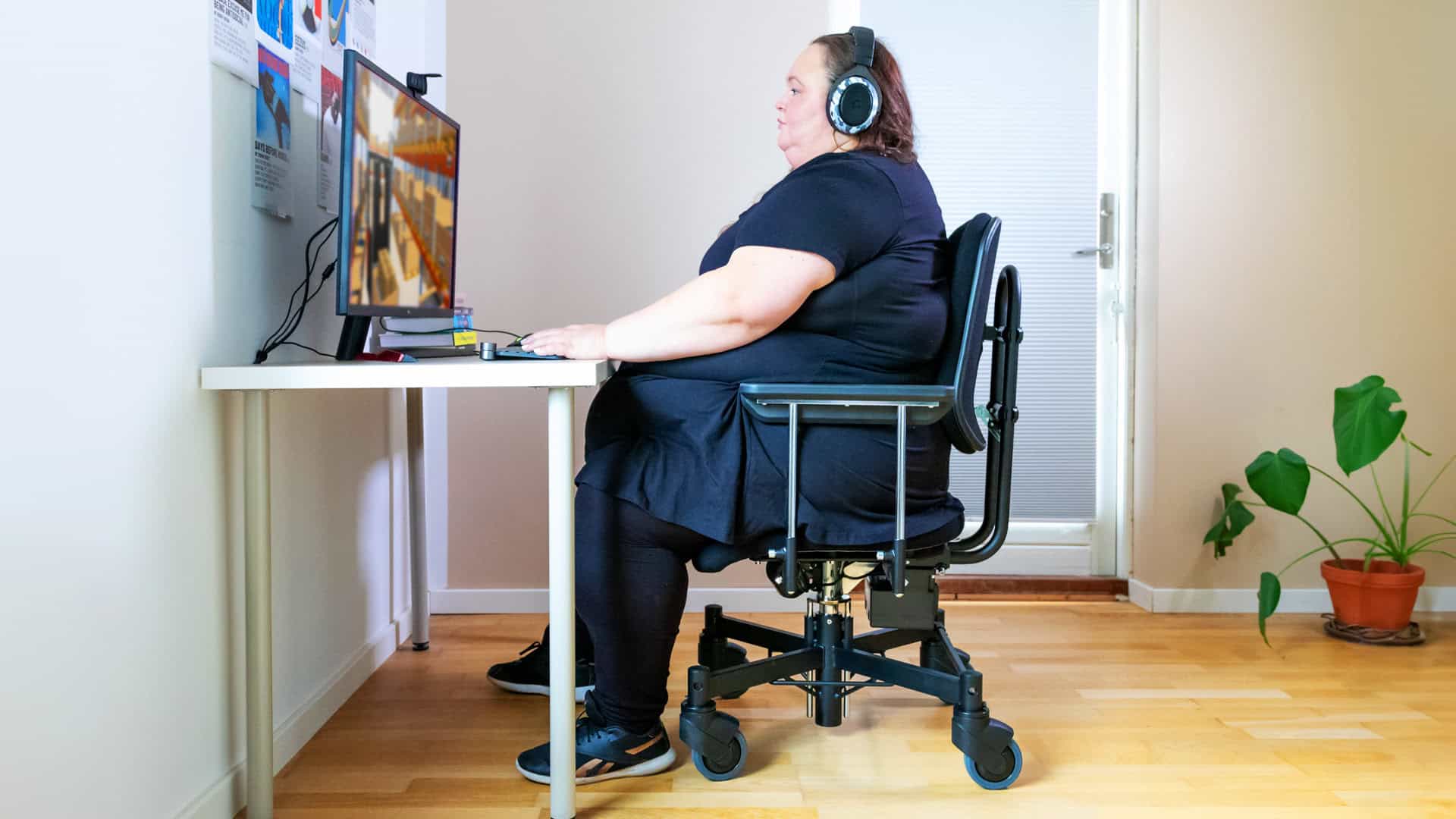
Challenges faced by residents in assisted living facilities often mimic those encountered by seniors living independently at home, where maintaining safety and independence is paramount. Here, solutions like the VELA Independence Chair offer viable options to support these goals. The VELA Chair, a medically approved mobility chair designed for home use, enhances safety, allows greater freedom of movement while seated, and aids in everyday activities such as cooking, dressing, or transferring, all while reducing the caregiver burden. By integrating such ergonomic solutions, informal caregivers are relieved of some of their responsibilities, contributing to a supportive environment that fosters autonomy and dignity for elderly individuals. Explore how VELA chairs enhance independence for elderly individuals in their own homes.
Innovations in pharmacy services are also supporting seniors who prefer to age in place. Pharmacies provide remote medication management for older adults living at home, known as Long-Term Care at Home (LTC at Home). This model enables the delivery of clinical support and medication oversight outside of traditional facilities, helping address workforce shortages and respecting the growing preference for remaining at home[1], [8]. With 75% of adults aged 55 and over now prioritizing aging in place, these developments are shaping the direction of pharmacy care and community health planning for older adults[3].
Assisted Living Pharmacy Services are indispensable in ensuring safety and promoting the well-being of residents. With projections showing the elderly population doubling by 2040, these services will become even more critical. It remains imperative for facilities to maintain stringent adherence to regulatory standards and to implement innovative tools like VELA chairs within their care protocols. These measures enhance service quality and improve the quality of life for residents. Trends in 2026 highlight the importance of personalized medication management, support for solo agers, and incorporating wellness and advocacy programs into senior care models[6], [8].
The industry faces ongoing workforce challenges, including shortages of long-term care staff and the need for specialized training pipelines. New roles for pharmacy technicians, support for flexible work arrangements, and broad adoption of technology are all being used to improve care and reduce the risk of medication errors[5], [3], [8].
Ultimately, selecting a dependable pharmacy provider and employing tools ensuring resident safety are vital steps. Recommendations from senior care organizations reinforce these factors, upholding that facilities remain sustainable and continue offering exemplary care amid ongoing innovation in pharmacy and mobility solutions.
References:
[1] Redsail Technologies
[2] Senior Housing News
[3] CVS Health
[4] PharmcareUSA
[5] Skilled Care Pharmacy
[6] Align Senior Care
[8] Provider Magazine