

Updated February 2026: We have updated the article with new findings on AI-integrated smart mobility aids, predictive wearable health monitoring, robotic companions, and advances like GPS-enabled powered wheelchairs and VR/AR-based rehabilitation. The article now reflects regulatory updates, best practices in AI-driven care, insurance changes, and Beaufort-specific trends in smart assistive technology use for seniors and caregivers.
Discovering Assisted Living in Beaufort, SC
As the senior population in the United States continues to grow, the need for assisted living facilities becomes more pressing, especially in regions like Beaufort, SC. According to the U.S. Census Bureau, 27.91% of Beaufort County’s population is aged 65 or older, significantly exceeding the national average. This shift highlights the importance of adapting care options to meet the unique needs of seniors in the area, particularly as they seek assisted living solutions.
An In-Depth Look at Assisted Living in Beaufort, SC
Assisted living in Beaufort is designed to support older adults who require help with daily tasks but do not need comprehensive medical care. These facilities typically offer services such as personal care, medication management, and assistance with activities like dressing and bathing. The South Carolina Department of Public Health notes a critical need for expanding facilities due to the shortage of available beds. This demand is especially pronounced in Beaufort, where many elderly residents deal with age-related challenges such as arthritis and cognitive decline.
In recent years, Beaufort’s senior living landscape has been transformed by the integration of advanced digital health tools and AI technology. Facilities are increasingly using wearable devices, passive smart sensors, and telemedicine platforms to monitor residents’ health, enable fall prevention, and deliver more personalized care[1][2]. Care teams in the area now benefit from AI-powered predictive analytics to anticipate health changes and coordinate care more efficiently[3][8]. This technology helps address staff shortages and improve the timeliness of interventions, while still requiring further integration and staff training to realize full benefits[7].
Recent advancements have introduced AI-integrated smart mobility aids, such as GPS-enabled powered wheelchairs and voice-activated devices, as well as wearables that analyze vitals or detect early signs of health changes for proactive intervention[5][6][9]. Robot companions and VR/AR-based rehabilitation are increasingly available, supporting autonomy, engagement, and healthy aging in both facilities and at home[7]. Beaufort retirement communities have begun adopting predictive health monitoring to address staff gaps, and inclusive, easy-to-use designs are prioritized to accommodate dexterity and cognitive challenges in the local senior population[6][8].
Navigating the Costs of Assisted Living in Beaufort
Understanding the financial aspects of assisted living is crucial for families. Monthly costs in Beaufort range from $4,647 to $4,726, according to A Place for Mom, which is higher than both state and national averages. Families can find financial assistance through resources like the Centers for Medicare & Medicaid Services, helping them plan to maintain quality care. Take the Johnson family as an example; they started researching early and utilized veteran benefits in conjunction with personal savings to afford the best possible care without financial strain.
Recent regulatory changes are expected to influence how local assisted living communities document care, meet staffing requirements, and participate in Medicare Advantage plans[4]. Additionally, insurance policies and reimbursement processes for durable medical equipment—including AI-driven and smart solutions—have shifted, impacting both eligibility and coverage options for seniors investing in emerging technologies[5][6]. Families should be aware that these developments may impact both admission criteria and reimbursement procedures, underscoring the need for timely research and consultation with care administrators during the decision-making process.
Exploring Beaufort’s Premier Assisted Living Facilities
Choosing the right facility can profoundly impact a senior’s quality of life. Notable facilities such as Helena Square and Vineyard Bluffton rank highly among families using A Place for Mom recommendations. Helena Square is lauded for its actively engaged staff and transparent communication, while Vineyard Bluffton receives praise for its inviting atmosphere and dedication to residents’ social engagement. Family testimonials reaffirm the peace of mind that comes from knowing their loved ones receive high-quality care.
Modern facilities in Beaufort increasingly offer ergonomic and universally designed living spaces, integrating features such as smart home controls, adaptive lighting, and accessible furniture[1][6]. New adaptive furniture may feature AI-driven pressure-relief adjustments to reduce falls and pressure ulcers, and beds and chairs now include responsive sensors for safety[7]. Residents and families value new communication platforms that connect them in real time with care teams, supporting greater transparency, autonomy, and a sense of involvement[5]. Emerging best practices encourage facilities to adopt data-driven personalized care plans, often managed via secure digital platforms, to promote healthy aging while also addressing workforce limitations[5][6].
Enhancing Independence with Mobility Solutions in Assisted Living
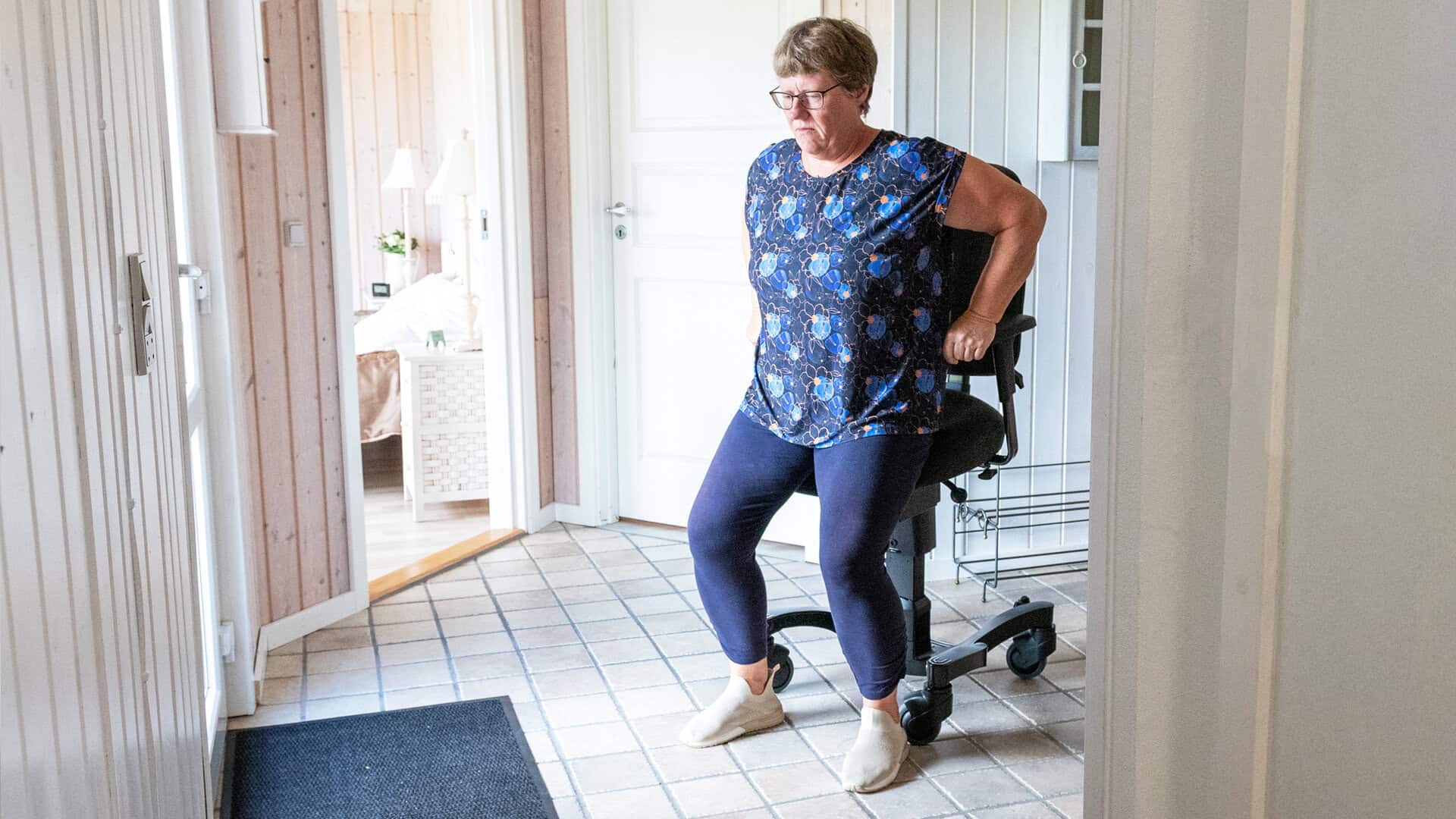
Finding a balance between the need for supportive care and the desire for independence is a challenge many seniors face. Assisted living facilities focus on maintaining this balance, but what about those who wish to remain in their own homes? This is where innovations like the VELA Independence Chair come into play. The VELA chair is a medically approved mobility solution that enhances safety and freedom of movement within one’s own living space. Key features such as height-adjustable seating, lockable wheels, and ergonomic support aid in daily tasks like cooking, dressing, or transferring, all while reducing the burden on informal caregivers. This approach offers a significant alternative for those not yet ready—or entirely suited—to transition to assisted living environments.
As part of broader technology adoption, some senior living communities now supplement traditional mobility aids with sensor-based fall detection and wearable activity trackers. These devices supply caregivers with real-time information for early intervention and contribute to safer, more independent living[1][2]. GPS-enabled powered wheelchairs, robotic task-assist devices, and AI-adaptive controls are increasingly used to personalize daily routines and enhance safety, monitoring, and convenience for residents[6][7].
Supporting Aging in Place: A Practical Option
For many seniors, the desire to remain at home is strong even as the need for support increases. Solutions like the VELA Chair can make this possible. These chairs address common senior challenges such as safety, mobility, and energy conservation. With features like a central brake for safety and electric height adjustability, they allow individuals to perform daily activities—whether cooking, cleaning, or relaxing—with greater ease and dignity. The freedom of movement while seated can delay the need for nursing homes, preserving a higher quality of life. While VELA chairs are a practical choice, they’re part of a broader spectrum of mobility support solutions that foster independence and reduce caregiver burden by providing essential support right at home.
Wellness and rehabilitation offerings have also evolved. Virtual reality (VR) or augmented reality (AR) programs, along with digital coaching and telehealth, support tailored rehabilitation and cognitive stimulation, enabling more engaging, personalized recovery options[7][9]. Wearables—ranging from smartwatches to biosensor patches—now provide predictive health insights by monitoring activity, tracking sleep, and even analyzing waste for early detection of infections and chronic conditions[5][6]. Residents and their families increasingly expect user-friendly, inclusive technology that enhances daily life without adding complexity, reinforcing the need for intuitive, accessible solutions throughout every stage of aging[5].
Data-driven personalization through AI diagnostic platforms and rehabilitation plans is accelerating, empowering both caregivers and individuals to act on early warning signs and promote sustained independence[9].
References
- Heisinger Bluffs: The Future of Senior Living: Trends to Watch in 2025
- Align Senior Care: Senior Living Trends | 2025 Senior Health Trends
- Argentum & A Place for Mom: The State of Technology Adoption in Senior Living
- CLA: Senior Living and Care – Four Key Drivers of Activity in 2025
- AANP: Top Five Health Care Trends for 2026
- AARP: 2026 Technology Trends for Older Adults
- Age in Place Tech: Ten Technologies from CES 2026
- Health Dimensions Group: 2025 Top Trends in Aging Services
- Medtronic: 6 Healthcare Tech Trends for 2026