

Updated October 2025: We have updated the article with new developments in AI-driven assistive technology, emerging trends in smart home solutions, expanded Florida programs like FAAST, and recent policy changes enhancing support for residents with disabilities in South Florida assisted living environments.
Assisted Living Facilities in South Florida
Understanding Assisted Living in South Florida
The demand for assisted living facilities in South Florida has been growing due to the region’s appeal as a retirement destination. With over 21.75% of Florida’s population aged 65 and older—over 4.9 million seniors, according to ConsumerAffairs—the need for quality senior living solutions is pressing. Assisted living facilities offer essential services such as housing, supervision, and personal care for seniors who need assistance with daily activities but do not require constant nursing care. The Agency for Health Care Administration (AHCA) reports that Florida has over 3,000 assisted living communities offering more than 106,000 beds, underscoring the state’s commitment to its aging population.
In South Florida, transitions from independent living to assisted care are common as residents face mobility challenges or chronic health issues like arthritis or dementia. Facilities are designed to ease these transitions, providing a supportive environment that allows seniors to maintain some level of independence while receiving necessary care.
Recently, assisted living environments in South Florida have adopted a broader range of assistive technologies to support independent living and social participation. The sector is experiencing rapid growth—projected at a 9-10% compound annual rate—due to expanding access to advanced mobility aids, AI-powered smart home devices, and personalized technology solutions that respond to the needs of residents with various disabilities.[1]
Florida’s Regulatory Framework for Assisted Living
Safety and quality within assisted living facilities are enforced through strict regulations set by the AHCA. These regulations ensure that facilities meet high standards of health, safety, and resident welfare. They require comprehensive licensing and uphold resident rights vigorously. According to AHCA, these regulations profoundly improve care experiences, ensuring facilities meet diverse care needs with licenses ranging from basic to extended congregate care, reflecting the variety of resident requirements.
There have also been important legislative updates. Florida House Bill 591 (2025) expands early intervention and educational services for children with developmental disabilities, which, though focused on younger populations, is shaping the future of inclusive product offerings and rehabilitation approaches in assisted living settings.[6]
Evaluating and Choosing the Right Facility
Choosing the right assisted living facility requires careful research. Tools like FloridaHealthFinder and AssistedLiving.org offer detailed comparative guides that include services, costs, and user reviews to aid decision-making. Personal stories highlight decision factors based on these reviews. For instance, a family shared how reviews pointed them to a facility in Fort Lauderdale known for its attentive staff and welcoming community environment.
Today, selection criteria increasingly consider facility adoption of advanced assistive technologies, including smart home integration and AI-powered mobility, safety, and sensory support devices, designed to deliver personalized independence and enhance participation in community life.[3][4]
Cost and Payment Options in South Florida
Financial considerations often play a crucial role in selecting an assisted living facility. Monthly costs range from $4,500 to $5,500, depending on location and available amenities, as per Retirement Living. Premium facilities in South Florida can exceed $6,000 per month. For moderate-income families, financial assistance programs and long-term care insurance are critical, with state and federal programs available to help alleviate financial pressure.
Florida also supports access to assistive technology and training through the FAAST program, which provides device loans, funding assistance, and education for both residents and caregivers looking to improve life quality and independence in assisted living settings.[3]
Transition to Independence and Mobility Support
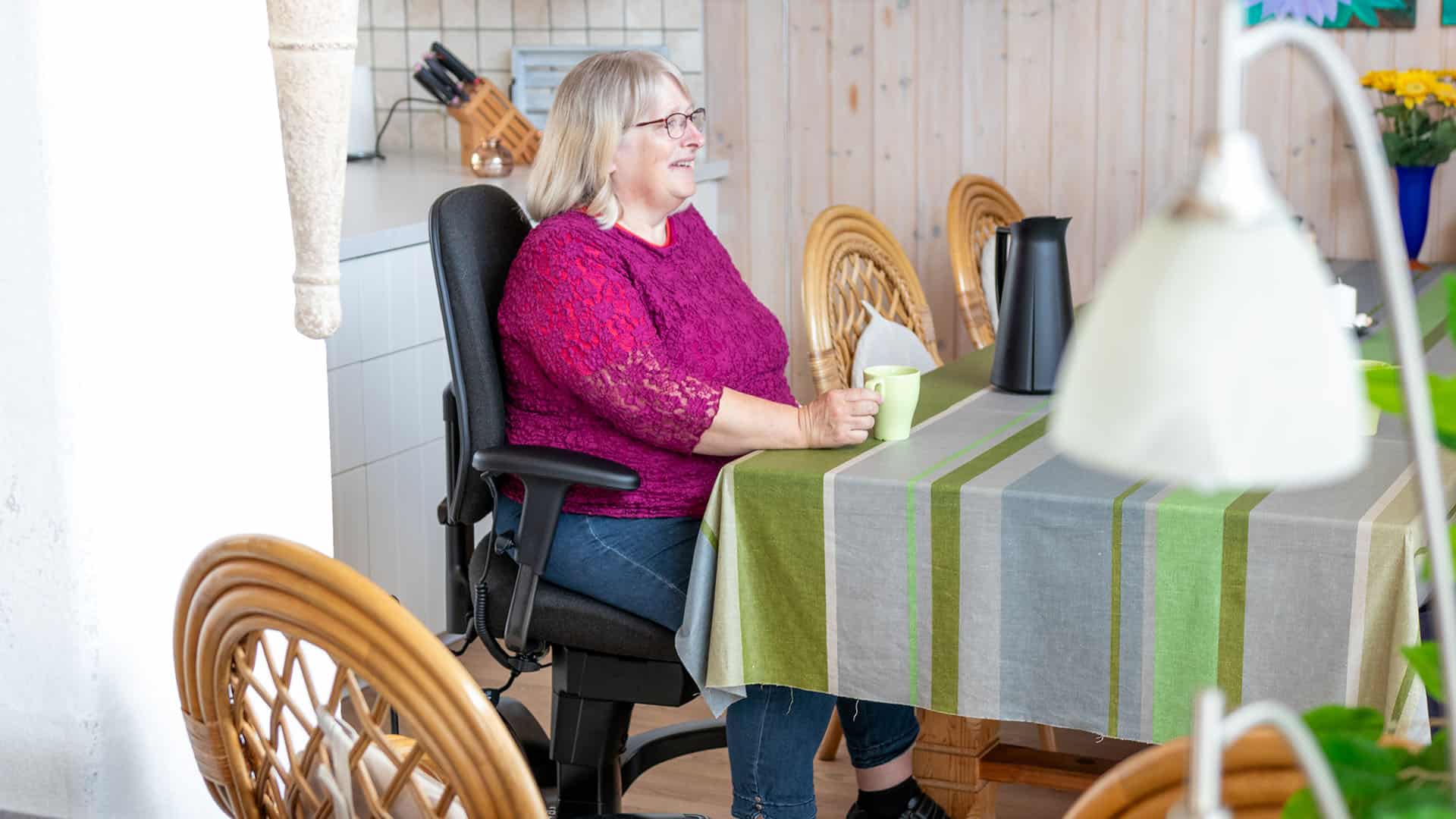
As seniors and their families navigate the challenging decision of moving to assisted living due to mobility issues, alternatives that support aging in place have gained traction. Mobility solutions like the VELA Independence Chair provide medically approved support for home use. This specialized chair is designed to enhance safety and freedom of movement while seated, aiding with daily activities such as cooking, dressing, and transferring. The VELA chair is particularly beneficial in reducing the physical demands on informal caregivers, allowing seniors to maintain independence longer within their own homes.
Recent advances now include AI-driven assistive devices, such as smart glasses and wearable indoor navigation aids that use technologies like LiDAR and Bluetooth beacons to help those with visual or physical impairments move more safely and independently indoors.[2][5]
Supporting Aging in Place: A Practical Option
Mobility solutions like the VELA Independence Chair can significantly extend a senior’s ability to live independently at home. The chair’s central brake ensures safe transfers, while its electric height adjustability and ease of movement enhance everyday tasks such as cooking or cleaning. Without such innovations, seniors might face increased risks of falls, limited mobility, and earlier relocation to assisted living facilities. The chair supports not only the physical safety of its user but also contributes to a dignified lifestyle centered around autonomy and energy conservation. While there are multiple solutions available, the VELA chair is a proven option that aligns with the values of dignity, freedom, and safety, providing an opportunity for seniors to enjoy their home environment for a longer time. For more insights, explore Mobility Chairs for Enhanced Independence.
Broader adoption of AI-powered assistive technology, including screen readers, remote caregiver tools, and personalized communication aids, is also helping residents in assisted living maintain independence and inclusion regardless of sensory or cognitive challenges. Trends in user-centered design and inclusive, universally accessible products are now becoming industry standards, allowing residents to benefit from environments and technologies tailored to diverse needs.[5][8][9]