

Updated February 2026: We have updated the article with the latest 2025 cost figures for assisted living and nursing home care in Alaska, reflecting continued steep year-over-year increases and Alaska’s standing as the most expensive state for these services. Projected trends and recent data on Medicaid long-term services and supports (LTSS) rate pressures have been included; there are no new developments regarding assistive technologies or regulatory practices.
Navigating Alaska’s Assisted Living Landscape: Costs and Solutions
The escalating cost of assisted living in Alaska has become a significant concern for many families. Recognized as the most expensive state for assisted living in the U.S., with monthly costs averaging $7,350, these financial challenges are evident. According to Genworth’s 2024 Cost of Care Survey and A Place for Mom’s caregiver resources, these high costs stem from factors unique to the state, such as remoteness and rigorous regulations. Monthly base costs now typically range from $6,427–$7,476, and private rooms in nursing homes can exceed $25,236–$36,378 per month. Costs have risen approximately 3–10% year-over-year, driven by inflation and labor market conditions that continue to outpace national trends. This necessitates detailed planning for those contemplating senior care options, as projections indicate annual increases of 3–5% over the near future.
Understanding the high cost of assisted living in Alaska
The elevated costs are primarily due to Alaska’s geographic and regulatory landscape. The state’s remoteness inflates operational expenses, setting prices well above the national average of $5,190 per month. A senior living in Anchorage, for instance, may encounter higher costs than those in more accessible urban centers. The logistical challenges increase expenses for both facilities and families, particularly in staffing. Furthermore, Alaska’s stringent healthcare regulations, meant to ensure high-quality care, contribute to higher infrastructure costs. Private versus shared rooms can result in additional expense, and families must account for these costs when choosing care options. Medicaid long-term services and supports (LTSS) reimbursement rates continue to be under pressure, with state analyses highlighting underfunded personal care programs and the potential for 10% or higher payment adjustments to address rising costs.
Evaluating assisted living facilities in Alaska
Selecting the right assisted living facility requires examining both costs and care quality. Facilities like Campbell Creek House and Aspen Creek Senior Living are known for their comprehensive services and specialized care programs. These facilities are celebrated for excellent staff-to-resident ratios, a crucial factor in providing personalized care. According to A Place for Mom’s caregiver resources, understanding a facility’s services is essential. Families often prioritize dementia care or mobility support programs, stressing the need to align care facility specialties with residents’ needs.
Financial assistance for assisted living in Alaska
Securing financial relief for assisted living costs is vital for many of Alaska’s seniors and their families. Exploring options such as Medicaid programs, veterans benefits, and long-term care insurance can provide essential support. For example, Alaska’s Medicaid waivers may cover otherwise inaccessible services. Veterans can use VA programs to mitigate costs. As ElderLife Financial suggests, consulting with elder law attorneys can reveal various funding opportunities, enabling families to allocate resources effectively. Given the rising cost environment and Medicaid LTSS underfunding, timely application is crucial as rate adjustments and program eligibility may change.
Enhancing senior mobility and independence
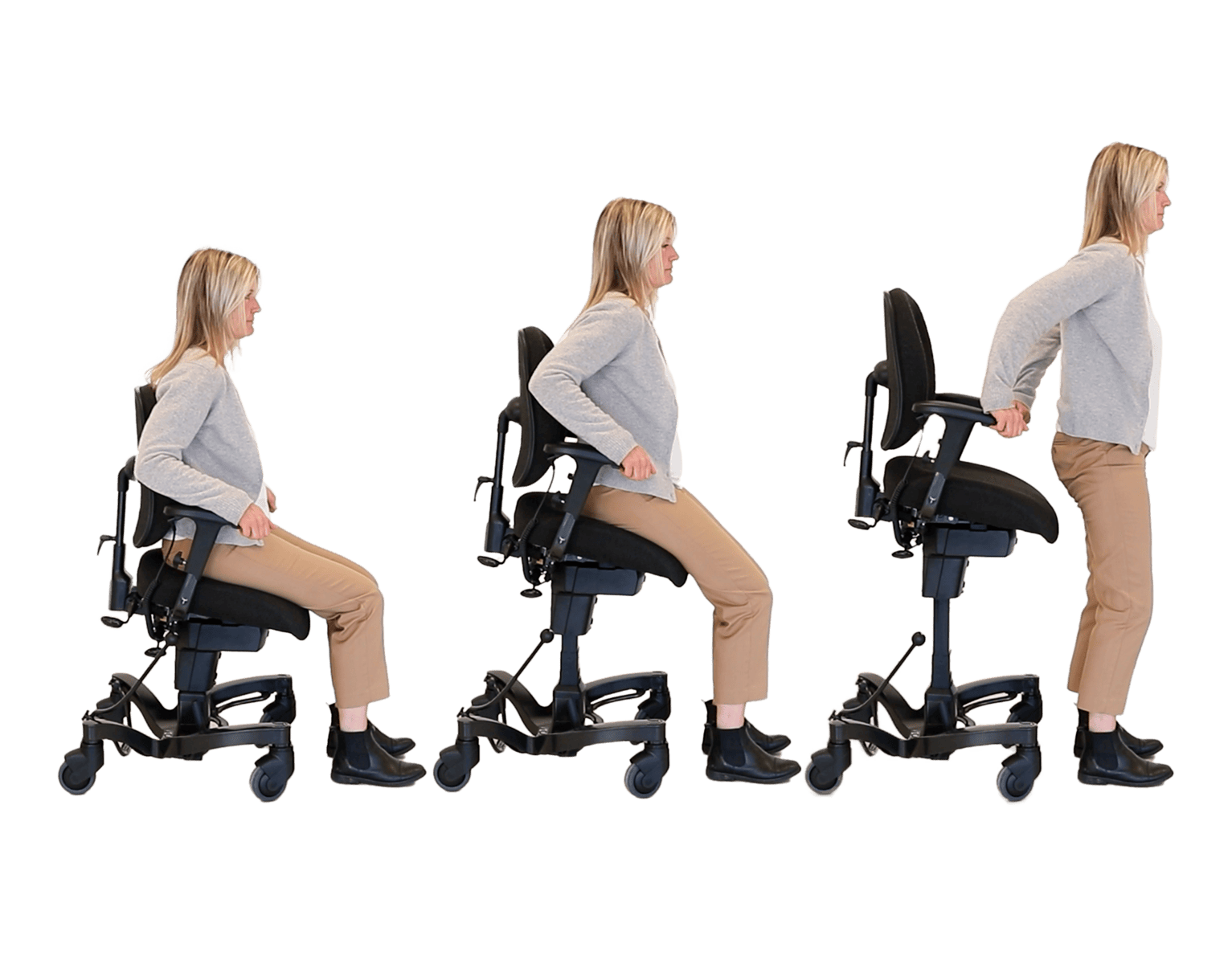
Beyond assisted living, improving senior mobility is critical. Innovative products like the VELA Mobility Chair offer effective solutions to help older adults remain independent in their own homes, providing medically approved safety and freedom of movement. The VELA Independence Chair, designed for use at home, enhances safety and supports daily activities such as cooking, dressing, or transferring. It can significantly reduce the physical demands on informal caregivers by offering electric height adjustability and controlled brakes for secure movements while seated, promoting autonomy and comfort.
Recent trends in assistive devices and healthcare in Alaska highlight the growing integration of technology. Wearable devices and smart home features are being adopted to improve care efficiency and may help reduce overall assisted living costs. These technological enhancements are part of a broader shift in healthcare, focusing on personalized solutions that address individual mobility and independence needs. Several authoritative organizations including PubMed, Mayo Clinic, World Health Organization (WHO), and Healthline emphasize the benefits of integrating assistive technologies to support better outcomes and quality of life for seniors.
Planning for the future
Future trends suggest continued rises in assisted living costs across Alaska, with median monthly assisted living projected to reach nearly $8,000 soon. Genworth and other sources report up to a 41% increase over previous years, with annual growth rates expected between 3% and 5% in the near term. Nursing home care also commands notably high costs, with private rooms ranging from $25,236 to $36,378 monthly. These increases outpace general inflation and create added challenges for long-term planning. Effective planning involves incorporating these projections into financial strategies and ensuring that available resources will meet care needs without overwhelming financial burdens.
Exploring diverse care options
The varied cost dynamics of different senior care options in Alaska require a thorough comparison:
- Independent Living: Offers community while maintaining autonomy.
- Assisted Living: Provides a balance of support for daily activities and independence.
- Nursing Home Care: Offers comprehensive skilled care at higher costs.
- Home Care: Allows seniors to receive professional care in their homes.
Analyzing these options enables families to make informed decisions based on seniors’ needs and financial capacities.
With the substantial financial implications, navigating Alaska’s assisted living landscape necessitates strategic and informed decision-making. By understanding the cost drivers and exploring financial assistance and care options, families can manage these challenges, ensuring dignified care for their senior loved ones. As Alaska’s senior population grows, continuous evaluation of care options and financial resources remains essential for thoughtful planning in this complex landscape.
Supporting aging in place: a practical option
For seniors wishing to remain at home, the VELA Independence Chair offers a practical solution that may effectively delay the transition to more costly nursing home care. Equipped with features such as a central brake for enhanced safety and electric height adjustability, the VELA Chair promotes ease of movement while seated. These features assist in everyday activities such as cooking, cleaning, and relaxing, preserving seniors’ independence and energy. By ensuring safety and comfort, the chair alleviates the burden on caregivers, supporting aging in place with dignity. While VELA chairs are not the only solution, they present a proven way to navigate the challenges of maintaining independence at home.