

Updated February 2026: We have updated the article with the latest research, highlighting mainstream adoption of AI-powered wearables, smart home devices, and remote monitoring systems for seniors. The article now includes information on voice-activated assistants, personalized AI wellness plans, advances in telehealth policy, and collaborative trends between assistive tech programs and aging services. Privacy concerns, digital literacy challenges, and the growing role of preventive, tech-enabled solutions for healthy aging are newly addressed.
Enhanced Article: ADA Compliance Standards for Assisted Living Facilities
Ensuring that assisted living facilities are ADA-compliant is crucial for the safety and accessibility of seniors. According to the U.S. Access Board’s 2010 ADA Standards, assisted living facilities must meet specific requirements to be considered compliant. For instance, at least 50 percent of resident sleeping rooms should provide mobility features complying with Standard 805. These standards encompass a variety of features such as ramps, grab bars, and maneuverable spaces, which are essential for creating a safe environment for seniors with mobility impairments. The intersection of ADA and the Fair Housing Act, as noted by Eden Senior Healthcare, further underscores the importance of these adaptations, ensuring facilities not only meet legal obligations but also prioritize resident wellbeing.
Key Accessibility Features Required by Law
Facilities that adhere to ADA standards incorporate several key accessibility features mandated by law. These include wheelchair-accessible bathrooms, lever-handled doors, and the elimination of protruding objects along mobility paths, all of which help mitigate fall risks and promote independence. According to the ADA National Network, healthcare facilities, including assisted living, must be equipped with these features to ensure comprehensive care. Residents who enjoy these modifications often report a significantly enhanced quality of life as they support daily independence and safety.
Recent advancements reveal a marked shift in the technology landscape for assisted living environments. Facilities are increasingly adopting integrated AI-powered assistants, which provide real-time, context-aware support for daily living, communication, and information access specifically tailored for seniors with sensory or mobility impairments.AskSAMIE Smart home solutions—such as motion sensors, automated medication dispensers, and voice-activated environmental controls—are now being widely used by older adults to promote safety, independence, and comfort, with adoption rates similar to younger age groups.WA Cares Fund Seniors Blue Book In addition, wearable health monitoring technologies are more advanced and accessible, tracking vital signs, detecting falls, and seamlessly integrating with telehealth platforms to enable remote healthcare access.Next MSC Report Seniors Blue Book
Expanding on these trends, the widespread use of AI-powered personalized wellness plans allows for the prediction and proactive management of health risks, enabling real-time collaboration with healthcare providers and supporting the preference of many seniors to age in place. Voice-activated assistants are proving especially valuable for individuals with reduced mobility, supporting ergonomic inclusivity and reducing physical barriers. The expansion of telehealth policies through 2026 further increases accessibility, particularly benefiting residents in rural and underserved locations.AANP AARP Technology Trends Series
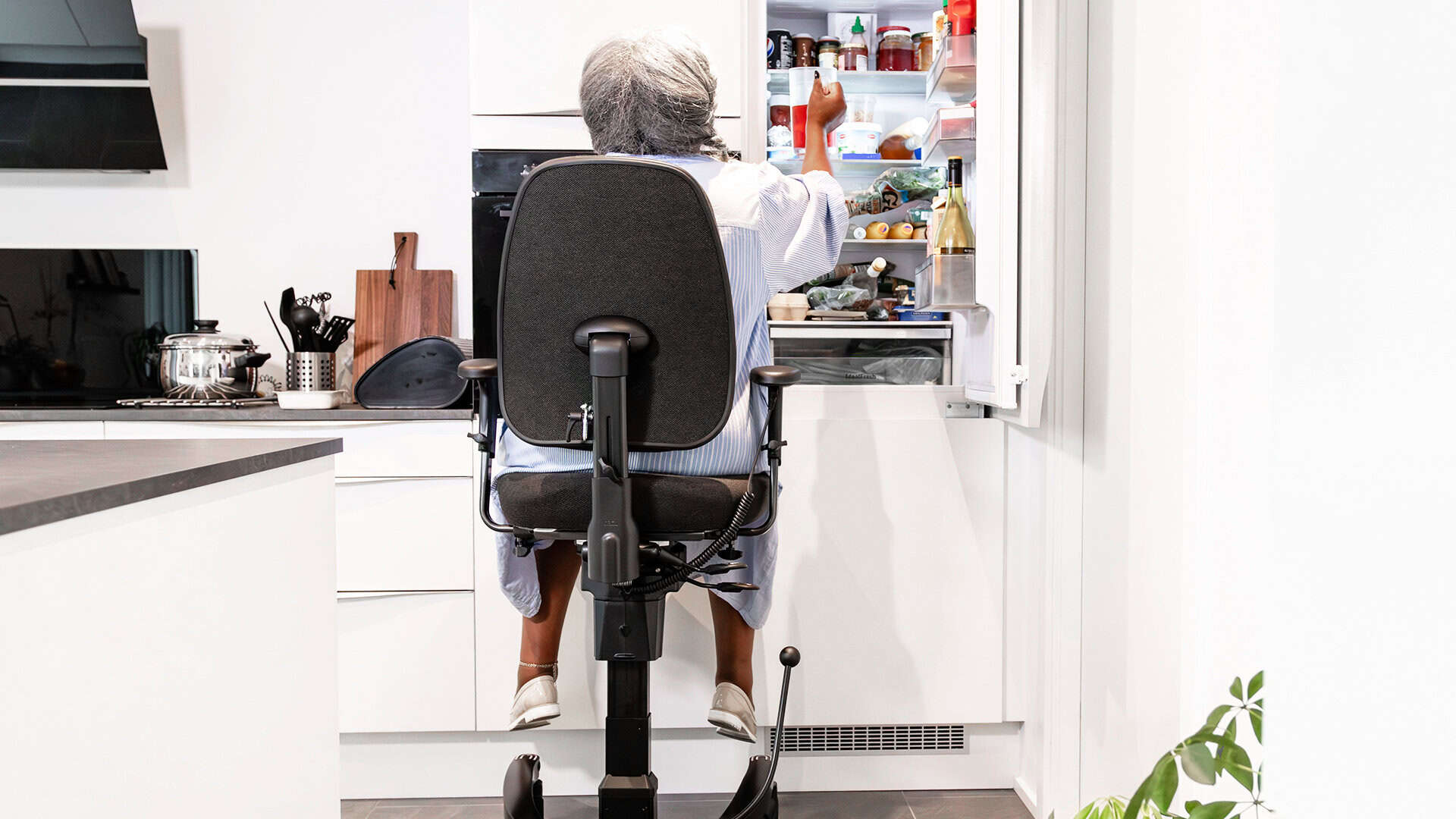
As assisted living facilities adapt to ADA standards, many older adults prefer solutions that allow them to age in place more comfortably within their homes. The VELA Independence Chair emerges as an ideal solution for such individuals. It is a medically approved mobility chair designed to provide enhanced safety and freedom of movement while seated. The chair aids in daily activities like cooking, dressing, or transferring by reducing the load on informal caregivers. This allows older adults to maintain their independence without sacrificing safety, highlighting its value as a practical home aid.
Who Benefits from ADA-Compliant Assisted Living?
ADA compliance in assisted living primarily benefits seniors with mobility impairments, chronic diseases, and sensory impairments. This demographic often faces unique challenges that ADA features are designed to address. For example, individuals with limited mobility benefit from grab bars and ramps, while those with sensory impairments might find relief in environments free from potential hazards. According to a peer-reviewed study on the quality of life in assisted living, such adaptations ensure that diverse needs are met, facilitating a dignified, accommodating living environment.
With the global elderly population on the rise, manufacturers and designers are focusing on highly customizable, ergonomic assistive devices, such as adaptable wheelchairs and wearable smart glasses with AI-powered navigation, emphasizing inclusive and universal product design principles.Next MSC Report CES Accessibility Feedback from seniors and caregivers now directly informs product innovation, ensuring assistive solutions address specific, real-world needs and facilitate a more personalized user experience.Envision Blog
There is growing attention to digital literacy and privacy concerns, as the adoption of AI-powered technologies and data-sharing platforms expands. Efforts are underway to ensure that seniors, caregivers, and facilities are equipped with the necessary resources and knowledge to utilize new devices safely and securely while maintaining user autonomy and data protection.AARP Technology Trends Series
Real-World Examples of ADA-Compliant Senior Living
Real-world examples can illuminate how ADA compliance is realized in practice. Top-rated facilities such as Baptist Village ADA OK have excelled in implementing ADA standards, adapting features such as accessible entrances and adaptive equipment. According to reviews from platforms like Caring.com, facilities like these are praised for their attentive staff who are well-trained in ADA-compliant care, leading to enhanced resident satisfaction and safety. Such testimonials underscore how rigorous adherence to ADA requirements does not just meet a legal standard but tangibly improves the lives of residents.
The introduction of AI-driven assistive technologies and smart home devices is rapidly setting new standards for senior care environments. There is also a notable shift toward preventive and healthy aging, including the use of fitness trackers designed specifically for older adults with senior-specific coaching features and virtual reality for cognitive stimulation and rehabilitation.AANP AARP Technology Trends Series While technology for fall detection and prevention has advanced with AI-powered systems becoming mainstream, challenges in broad, seamless adoption and effective use persist.OK2StandUP This continues to highlight the foundational importance of classic ADA features, such as accessible layouts, grab bars, and well-designed support equipment in promoting resident safety.
Impact of ADA Compliance on Resident Safety and Quality of Life
The impact of ADA compliance extends beyond mere legal fulfillment; it significantly enhances resident safety and quality of life. Facilities that successfully integrate ADA-mandated features create safer environments that reduce the risk of falls and injuries. Moreover, the psychological benefits of increased independence contribute to overall wellbeing. Incorporating adaptive equipment in these environments further supports this by facilitating greater autonomy and reducing reliance on caregivers.
Technology adoption among seniors has grown notably in recent years, bridging previous gaps between generations and enabling more individualized, responsive support for aging in place and institutional settings alike.WA Cares Fund Seniors Blue Book Policy updates, such as insurance parity for telehealth services in some regions, are also expanding remote care access for residents in rural and underserved communities.AANP Collaborative partnerships between aging services and assistive technology programs are being prioritized to address the needs of a rapidly increasing senior population.YouTube: The Landscape of Assistive Technology (AT) and Older Adults
- AskSAMIE
- Next MSC Report
- OK2StandUP
- CES Accessibility
- Envision Blog
- WA Cares Fund
- Seniors Blue Book
- Seniors Blue Book
- AANP: Top Five Health Care Trends for 2026
- AARP Technology Trends Series: Tech Use Among Older Adults
- YouTube: The Landscape of Assistive Technology (AT) and Older Adults (Jan 14, 2026)