

Updated February 2026: We have updated the article to reflect the latest trends in low-income assisted living, including record-high occupancy rates projected to reach 90% in 2026, continuing supply constraints, stabilized rent growth above 4% annually, and significant affordability challenges for low-income seniors. The article now includes new insights on technology adoption such as AI-driven staffing and personalized care, evolving facility designs to meet changing preferences, and highlights the critical impact of staffing shortages and policy needs for affordable housing expansion.
Updated October 2025: We have updated the article to reflect recent trends in affordable assisted living, including the emergence of flexible middle-market models, rising technology integration for care and cost control, updated cost statistics, ongoing workforce challenges, demographic changes such as increases in solo agers, and evolving wellness-focused, resident-driven care innovations. Additional authoritative sources provide a current perspective on regulatory, financial, and market developments.
Addressing the Urgent Need for Low-Income Assisted Living Facilities
The United States is at a pivotal moment with its rapidly expanding senior population, intensifying the urgent need for low-income assisted living facilities. As we approach 2025, the financial burden for such care is staggering. The national median cost is projected to be $5,676 monthly, or approximately $68,110 annually, presenting significant challenges for seniors dependent on fixed incomes.[5] According to the American Health Care Association, accommodating this vulnerable demographic has become more crucial than ever.
Navigating affordable assisted living solutions requires understanding the complexities of financial assistance programs and evaluating various living options. This article provides strategic insights for making informed decisions for those seeking these vital services.
Understanding the Need for Affordable Assisted Living Options
Demographic Profile and Market Overview
Seniors in search of affordable care are generally aged 65 and older, often managing conditions requiring assistance with daily activities. This demographic predominantly relies on fixed incomes, typically below $30,000 annually. In 2025, the senior living industry is projected to be valued at approximately $118.17 billion, demonstrating a compound annual growth rate of 5% since 2023, as projected by Senior Housing News.
Despite recovery in occupancy rates to 86.5%, the distribution of facilities remains uneven, with about 40.8% concentrated in the West, highlighting regional disparities. Real-life examples like Mrs. Smith, an elderly woman from Arizona, demonstrate the difficulty in finding low-income options, accentuating the scarcity in certain regions. Understanding local availability and strategically choosing locations are crucial aspects of navigating this landscape.
Major market changes in assisted living for 2025 and beyond include growing supply constraints and surging demand. By 2026, national occupancy rates are projected to reach nearly 90%, driven by the limited addition of fewer than 1,500 new units in primary markets. Stabilized rent growth above 4% year-over-year and median costs between $4,774 and $6,000 per month have made affordability an even greater challenge for low-income seniors, with the availability of truly affordable options further reduced.[1], [2], [7]
In response to these challenges, product diversification is expanding, with more facilities offering larger units, single-story cottages, two-bedroom formats, and hybrid models that include elements of independent living. Entry-free rental models are also emerging to meet the preferences of a new generation of residents who value independence and flexibility.[2], [7]
Demographic changes, including an increase in solo agers (older adults living without children), intensify the need for embedded social and advocacy supports in these environments.[1], [2]
Exploring Financial Aid for Affordable Assisted Living
Financial Assistance Programs
To mitigate cost burdens, programs like Medicaid Waivers, HUD Housing Assistance, and SSI supplements provide critical support. Medicaid Waivers offer state-specific coverage for assisted living, though eligibility and benefits vary significantly.
The HUD outlines income classifications crucial for seniors utilizing Section 8 Vouchers or Project-Based Section 8 units. These classifications determine eligibility based on family income relative to median family income in the area. Veterans can also benefit from the Aid and Attendance program, providing additional financial support for assisted living costs.
Case studies, like Mr. Johnson from Missouri, highlight successful navigation through these programs while emphasizing the variability of availability across states.
Affordable care solutions are increasingly difficult to sustain for low-income groups unless updated financing strategies, such as layered micro-funding or expanded voucher programs, are implemented to address rising rents and limited public funding.[1], [8]
Strategies for Securing Low-Income Assisted Living Facilities
Finding and Evaluating Housing Options
Securing low-income assisted living requires robust research strategies, such as engaging with state Medicaid offices and utilizing HUD’s housing inventory. Websites like Assisted Living.org offer valuable resources on these processes.
- Consider factors such as location proximity, available services, staff qualifications, and resident satisfaction metrics when selecting a facility.
- Engage with senior living advisors to find a facility meeting both financial and quality-of-life criteria.
The Martin family in Texas illustrates the importance of these strategies, finding an appropriate facility for their aging mother.
Technology integration has become central to facility operations for both resident care and cost control. In 2026, a growing number of facilities are adopting artificial intelligence (AI) platforms for predictive health monitoring, automating administrative tasks, scheduling, and tailoring wellness and activity programming. These tools help address persistent workforce shortages—currently affecting 63% of senior housing facilities—and enable providers to optimize staffing ratios for quality care.[2] Facilities are increasingly recognizing staffing as a strategic priority, investing in tuition support for nursing assistants and deploying new incentives to attract and retain qualified staff.[2]
Current projections highlight the need for over 156,000 new facilities nationwide by 2030 to meet anticipated demand, underscoring an urgent policy need for affordable assisted living expansion, as the overall affordable housing outlook remains neutral.[7], [8]
The ongoing rise in cost—about 3% annually in recent years and now stabilizing at over 4%—along with persistent workforce shortages present continued challenges for affordable access.[5], [1] The economic and regulatory environment remains dynamic, with high construction costs, regulatory constraints on new development, and operational pressures such as Medicaid cuts all impacting the market.[8]
Mobility Solutions: Empowering Independence in Assisted Living
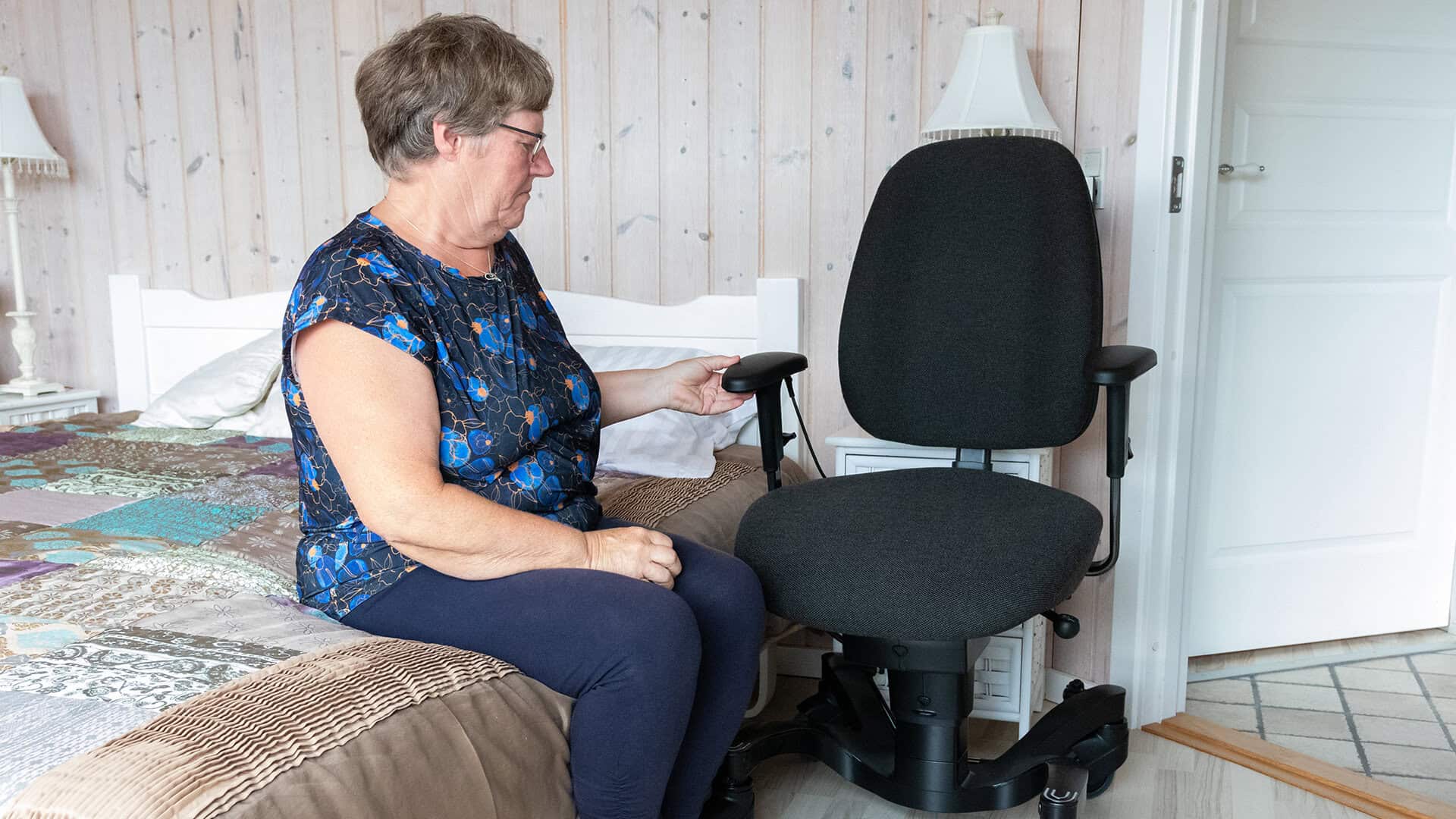
While finding affordable assisted living facilities is paramount, ensuring residents maintain autonomy and independence is equally critical. Overcrowded nursing homes often present challenges such as limited mobility and diminished personal freedom. For seniors preferring to stay in their homes, solutions like the VELA Independence Chair offer promising alternatives. This medically approved mobility chair is designed specifically for home use to provide enhanced safety and freedom. It supports daily activities such as cooking, dressing, and transferring, simultaneously reducing the strain on informal caregivers.
Demand is expected to continue outpacing supply, suggesting an interest in innovative models that combine housing assistance with tailored care services. These models show potential to bridge the affordability gap.[1], [2] Furthermore, wellness-focused, resident-driven care models are gaining ground, emphasizing safety, autonomy, and social connections—especially important for solo agers and those in lower-cost settings.[1], [4]
Nevertheless, continued support and expansion of financial aid programs are imperative to making assisted living accessible for low-income seniors, a critical social challenge that requires collaborative industry approaches.
Navigating the complexities of low-income assisted living demands a strategic approach, leveraging available programs and evaluating facilities with a focus on personal needs and financial reality. This issue necessitates collaborative solutions and expanded support systems to ensure equitable access to quality senior care. According to Senior Living.org, proactive planning and awareness of resources significantly enhance the chances of securing ideal assisted living solutions for financially constrained seniors.
Supporting Aging in Place: A Practical Option
Solutions like the VELA Independence Chair empower seniors to remain in their own homes comfortably, deferring the need to transition into nursing homes. VELA Chairs provide features that address essential needs, including a central brake for stability, electric height adjustability to assist with transfers, and ease of movement while seated. These features collectively promote independence, safety, and conserve energy, making daily tasks such as cooking or relaxing more manageable. Without such interventions, older adults often confront increased risk of injuries and persistent dependency, accelerating the need for institutional care. While VELA is one of several solutions available, its proven effectiveness in supporting dignity, freedom, and quality of life makes it a commendable option for those exploring alternatives to traditional care environments.
Sources:
- NIC MAP: Senior Housing Five Key Trends to Watch in 2026
- Senior Housing News: HDG Execs on 6 Trends Reshaping Senior Living in 2026
- PwC: 2026 Senior Housing Outlook
- Fitch via McKnight’s: Affordable Housing Sector in 2026
- Align Senior Care, Senior Living Trends | 2025 Senior Health Trends
- McKnight’s Senior Living, Seven Trends in Senior Living That Will Define 2025 and Beyond
- CLA Connect, Senior Living and Care: Four Key Drivers of Activity in 2025
- Rochester Business Journal, Senior Living Trends Highlight Housing, Tech, Workforce (July 2025)
- The Senior List, Assisted Living Statistics in 2025
- NIC, 2025 Growth Outlook for Senior Housing & Care