

Updated February 2026: We have updated the article with the most recent market data confirming occupancy rates above 90%, surging investor confidence, and persistent supply shortages. New insights highlight the rapid adoption of AI-powered monitoring, telehealth, smart home upgrades, and specialized dementia care environments. The article now emphasizes regulatory advances in staffing and medication management, the potential of active adult/assisted living hybrids, and valuation growth trends, reflecting the evolving landscape and premium opportunities in senior living investments.
Investing in Assisted Living Facilities: Strategic Insights for a Growing Market
The landscape of senior living investments in 2026 is burgeoning with opportunities, making it an ideal time for investors to consider expanding their portfolios in this sector. With the aging population significantly increasing demand for quality senior care, assisted living facilities stand out as attractive investment options with the potential for stable and considerable returns.
Understanding the Growth in Assisted Living Investments
According to Haven Senior Investments, the US Senior Living Market is projected to grow from $92.6 billion in 2023 to $118.17 billion by 2028, marking a Compound Annual Growth Rate (CAGR) of 5%. Additionally, SLF Investments reports that around 78% of investors plan to increase their senior living portfolios in 2025, highlighting the sector’s robustness and potential profitability.
Emerging Trends in Senior Living Investments
The shift from a survival mindset to one centered around growth and innovation is evident in the senior housing market. Increasing investor confidence aligns with rapid advances in digital health and assistive technologies. AI-powered smart wheelchairs now provide obstacle detection, real-time health monitoring, and autonomous navigation, greatly enhancing resident independence and safety. Smart glasses deliver real-time visual assistance, while brain-controlled prosthetics support more intuitive movement for residents with limb loss[2][4][6][12]. More facilities are integrating wearable devices, predictive analytics, and remote patient monitoring—trends that both reduce the burden on caregivers and optimize clinical outcomes[7][10].
Recent reports indicate record-high investor confidence: assisted living now tops investor preferences at 44%, up from 41% the previous year, marking the highest sustained interest and a shift toward a seller’s market[1][2][5][6][7]. With occupancy rates nearing or exceeding 90%—the highest since 2017—demand from the aging Baby Boomer generation combined with limited new supply has rapidly outpaced absorption at a ratio of nearly 4.8:1 in 2025[1][2][5][7]. This supply shortage underscores opportunities for expansion and new development, especially in high-margin segments such as wellness-focused, dementia-specialized units, and active adult/active living hybrids, which now garner 28% of investor interest and comprise 38% of new high-acuity assisted living projects[1][6][7].
Key innovations such as AI-powered monitoring systems, telehealth, voice-activated environment controls, and smart home accessibility upgrades—including automated stairlifts—are rapidly being adopted. These technologies boost resident well-being and independence, strengthen a facility’s competitive edge, and improve operating margins by enabling cost-efficient, personalized care[3][4][6]. Specialized dementia care models are also emerging, featuring cognitive therapy and virtual reality programs to support aging-in-place and differentiate offerings.
On the regulatory front, new standards emphasize stricter medication management and higher staffing ratios to elevate personalized wellness and mitigate operational risk, enhancing appeal for investors focused on stable net operating income growth[1][4][7].
A practical example involves a facility that adapted its offerings by providing personalized and flexible care options, resulting in improved occupancy and significant returns. By understanding such emerging trends, investors can make informed decisions that align with market demands.
Assessing Occupancy and Performance Metrics
Occupancy rates are crucial indicators of a facility’s performance and investment viability. In 2026, multiple market sources confirm occupancy rates for assisted living facilities have climbed above 90%, the highest since 2017, driven by strong Baby Boomer demand and lagging new supply[1][2][5][7]. Net absorption in 2025 outpaced new inventory at 4.8:1, affirming robust demand that supports premium pricing above pre-pandemic norms[2][5][6][7].
In a case study, a facility optimized its operations through targeted marketing, service enhancements, and digital tools such as remote monitoring, achieving a higher occupancy rate and ensuring a stable revenue stream. Adoption of digital innovations increasingly drives operational efficiency and supports positive occupancy trends[7]. Strategic improvements are essential for capitalizing on the growing demand for senior housing.
Evaluating Investment Valuation and Returns
Understanding valuation multiples and rent growth expectations is paramount when investing in assisted living facilities. As reported by First Page Sage and the CBRE Senior Housing & Care Investor Survey H1 2025, the assisted living market continues to show strength. In 2025, cap rates compressed further as overall valuations increased by over 10%, reflecting persistently strong investor competition[1][2][5][6][7]. Rent growth stabilized above 4% annually, underpinned by premium pricing for larger and high-acuity units[1][2][5][6][7].
One success story involved an investor acquiring an underperforming facility at a favorable valuation, implementing strategic improvements that doubled its value within two years. This highlights the importance of understanding market trends and valuations for lucrative outcomes.
Bridging Care with Comfort at Home
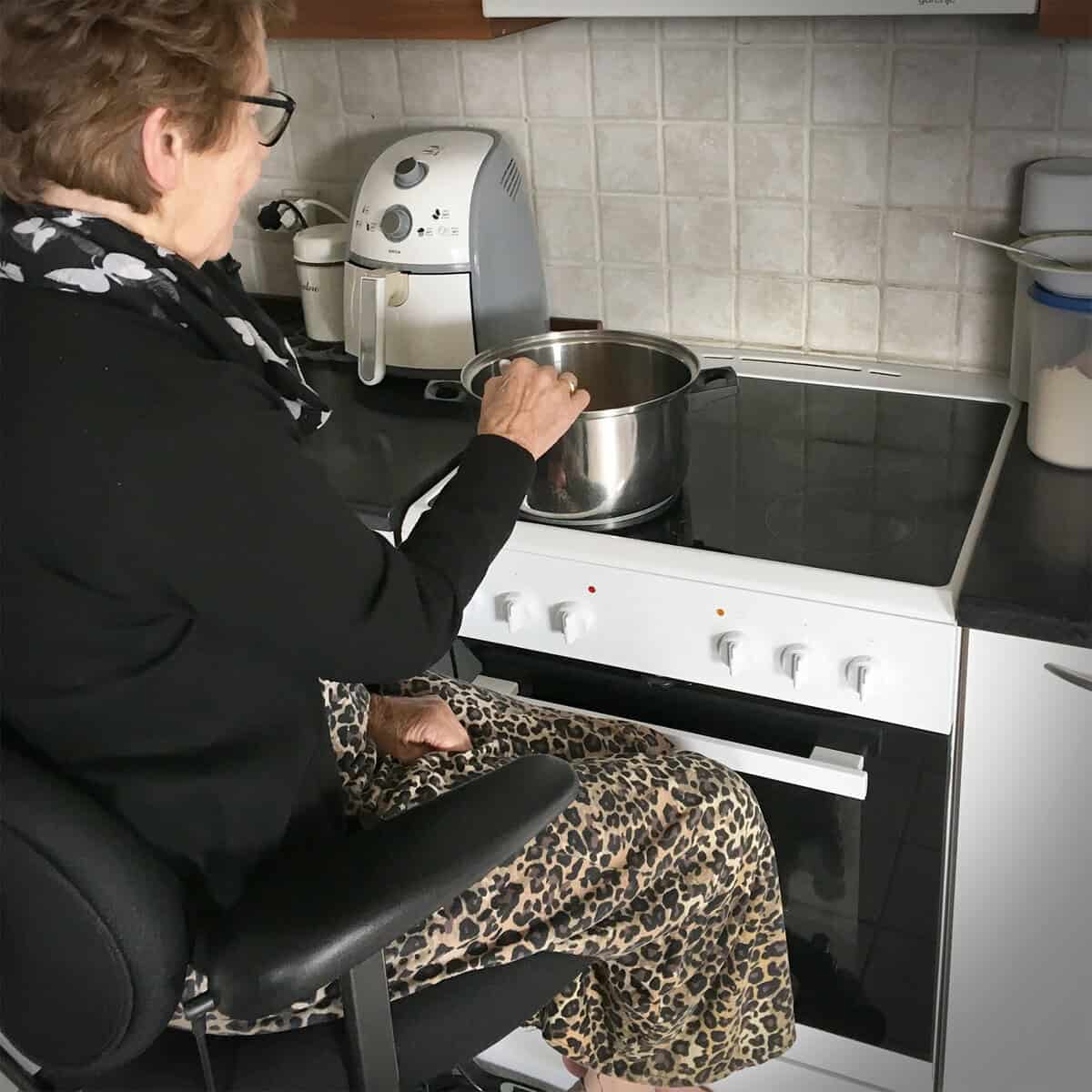
As the aging population grows, so do the challenges faced by nursing homes, including ensuring safety and mobility while accommodating individual care needs. Solutions that empower seniors to remain independent within their homes are increasingly important. The VELA Independence Chair offers a viable option for those seeking to age in place. This medically approved mobility chair enhances safety efforts by providing a secure central brake, electric height adjustability, and ease of movement while seated. It facilitates daily activities such as cooking, dressing, and transferring, easing the burden on informal caregivers and prolonging independence at home.
Broader adoption of new adaptive equipment—such as AI-powered wheelchairs, ergonomic adaptive keyboards, or wearable exoskeletons—is enabling seniors to safely maintain mobility and autonomy longer[2][4][6][12]. These technologies are increasingly factored into investment and operational decisions by forward-thinking assisted living providers.
Strategic Insights for Future Investments in Senior Living
Investing in assisted living facilities demands attention to several key aspects:
- Location and Market Analysis: Evaluate local demographics, competition, and community needs to select promising locations. Factors such as accessibility to healthcare services, community demand, and the presence of technology-enabled amenities enhance the facility’s attractiveness[1][5][6][7].
- Facility Condition and Capital Requirements: Assess the building’s structural integrity, plumbing, and aesthetics to ensure it meets health standards and resident expectations, in line with insights from SR Senior Living.
- Regulatory Environment: Keep abreast of evolving regulations around operational efficiency, cybersecurity, reimbursement, and quality standards. Current changes call for stricter medication and staffing requirements, and advancing personalized wellness standards, all of which support operational sustainability and premium pricing. As seen in AHCA/NCAL, adapting to these regulatory shifts is key for compliance and sustained innovation[1][4][7][10].
The forecast for 2026 is overwhelmingly positive. Occupancy and investor demand remain elevated in a tight market with slow new supply. Integration of advanced technologies and specialized care models supports attractive valuations and net operating income growth, with major lenders and institutional capital continuing to target the sector’s $1T+ investment need through 2041[1][2][5][6][7].
References
- [1] Senior Housing News: Investors See Assisted Living, Active Adult as Best Bets (Feb 9, 2026)
- [2] NIC: 2026 Outlook for U.S. Continuing Care Retirement Communities
- [3] CBRE Senior Housing & Care Investor Survey H1 2025: Capitalization rate trends and investment insights for assisted living facilities
- [4] NIC MAP: Senior Housing Five Key Trends to Watch in 2026
- [5] Data Insights Market: United States Senior Living Market 2026 Trends and Forecasts
- [6] PwC: Senior Housing Outlook 2026
- [7] Cushman & Wakefield: U.S. Senior Living & Care Investor Survey and Trends Report (2026)
- [9] NIC MAP Reports: Senior housing occupancy and market demand trends first quarter 2025
- [10] World Health Organization Fact Sheet: Global needs and innovations in assistive technology with ageing populations (2025)
- [12] Assistive Technology Outcomes and Benefits Journal, Volume 19 (2025): Clinical and industry research on assistive technology impacts