

Updated February 2026: We have updated the article to include the latest advancements in assistive technology as showcased at CES 2026, such as AI-driven mobility aids, autonomous smart wheelchairs, wearable haptic feedback devices, and robotic lift systems. The article now reflects new trends in AI integration, robotics, and wearables that are enhancing independence and mobility for seniors and individuals in assisted living and memory care environments.
Elevating Senior Care at Clear Fork: A Commitment to Excellence
When seeking a comprehensive senior living community, the unique dual offerings of Clear Fork Assisted Living and Memory Care stand out. With a continued commitment to quality care, Clear Fork provides both assisted living services and specialized memory care for those grappling with dementia. According to the Centers for Disease Control and Prevention, assisted living communities served over 918,700 residents in 2016, with 42% affected by Alzheimer’s or other dementias. This statistic highlights the vital role facilities like Clear Fork play in addressing the needs of today’s aging society.
Understanding Assisted Living & Memory Care at Clear Fork
Clear Fork excels in blending two critical aspects of senior living: assistance with daily activities and specialized care for dementia patients. This facility offers a holistic approach, featuring personalized care programs like “My Passion Pathway,” designed to align resident interests with structured activities for enriched living. Residents thrive with a blend of luxury amenities and attentive care plans, ensuring support both physically and emotionally.
Recent advancements in assistive technology and accessibility are shaping the way support is provided in assisted living environments. The integration of AI-powered devices—such as smart glasses and wearables—now offers residents enhanced object recognition and real-time text-to-speech capabilities, increasing confidence and independence for those with visual or mobility impairments[3], [1]. Indoor navigation technologies that leverage Bluetooth beacons and LiDAR mapping are also improving the ability of seniors to move safely and intuitively within large spaces[1]. These solutions, combined with an emphasis on inclusive, user-centered design, support residents in participating more fully in daily life.
Significant new developments in assistive technology have been highlighted at CES 2026 and in industry reports. Emerging tools such as robotic lifts for bed-to-wheelchair transfers and haptic wristbands that deliver real-time feedback on facial expressions are becoming increasingly relevant in assisted living and memory care environments. Smart wheelchairs now incorporate AI-driven autonomous navigation and sensor-based pressure monitoring, further promoting resident safety and autonomy[5], [9]. These advances reflect a growing trend in user-independent robotics, wearables, and AI solutions focused on improving mobility and independence for seniors.
Who Thrives at Clear Fork: Resident Demographics & Care Profiles
Clear Fork primarily caters to residents over 75 years old, addressing conditions such as dementia and mobility limitations. According to Texas Health & Human Services, the community adheres to rigorous state regulations to maintain high standards of care and compliance.
The facility serves middle to higher-income families, offering both private pay and insurance options. One family’s experience illustrates this well: Mr. Hargrove, a resident with advancing Parkinson’s, benefited from personalized physical therapy sessions that have markedly improved his independence, much to the relief and satisfaction of his family.
Furthermore, the adoption of AI-assisted tools in assisted living settings is empowering residents by providing immediate access to critical information and communication aids[2]. Wearables and AI assistants are increasingly incorporated into care models, allowing staff to support residents in real-time and helping residents manage daily routines with greater autonomy. Current trends also highlight rapid growth and adoption of mobile assistance aids and technology-driven solutions, which are projected to reach a 34% share of the assistive technology market by 2025[3].
Navigating Costs and Services at Clear Fork
Starting at $4,800 per month, Clear Fork offers comprehensive services, including meals, activities, and medical oversight, reflective of its premium pricing. While private pay is widespread, financial support via Medicaid and long-term care insurance is also available, aiding families in making informed decisions. Feedback on Civitas Senior Living praises the facility for providing value through its extensive service offering, despite its premium pricing. A practical financial plan often involves families strategically balancing private payments with insurance claims, underscoring the facility’s commitment to affordability and excellence.
Enhancing Independence with VELA Mobility Solutions
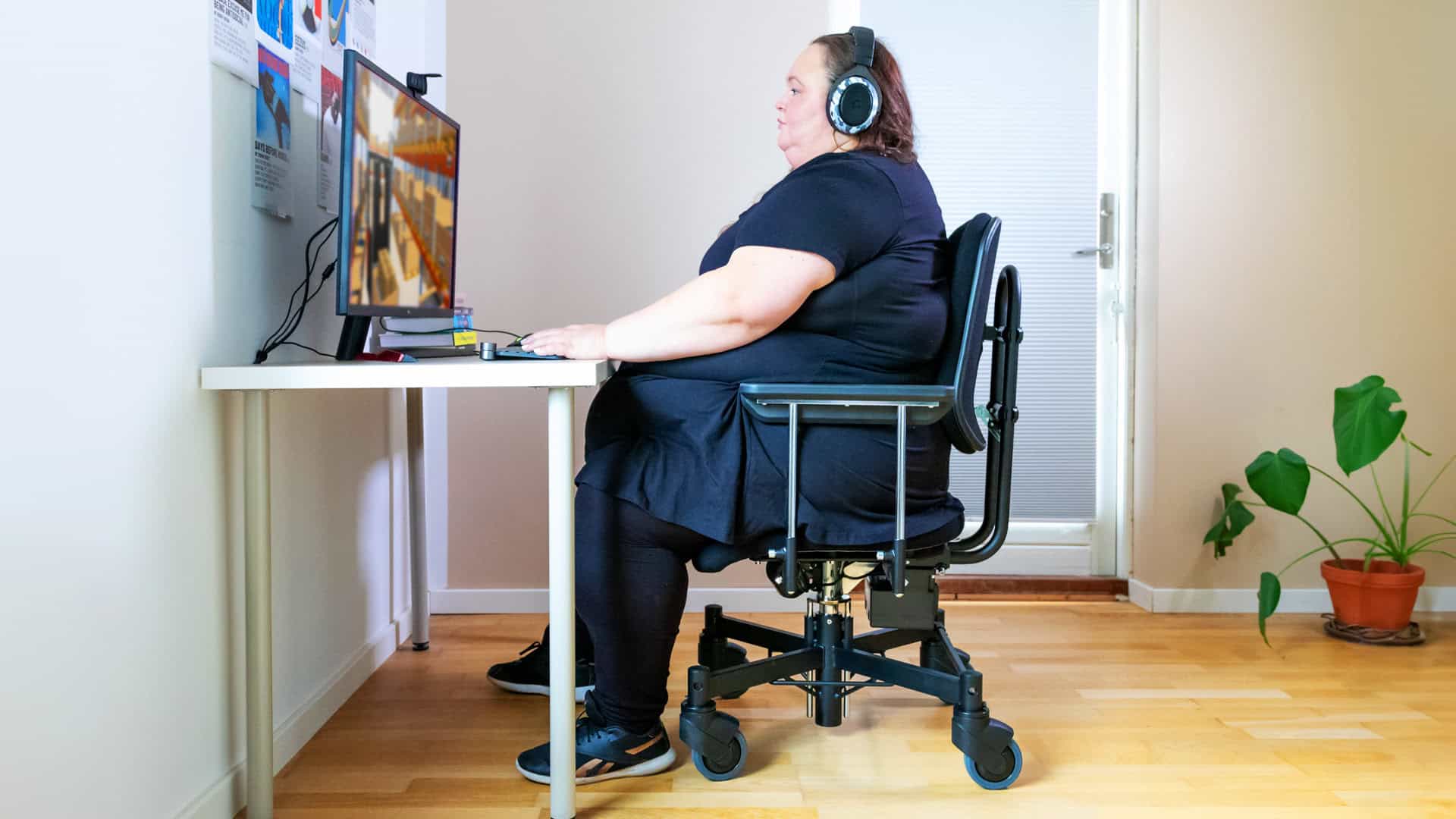
While nursing homes and assisted living communities like Clear Fork offer vital support, many older adults seek ways to maintain their independence in familiar surroundings. Here, innovative solutions play a critical role. VELA, a medically approved mobility chair, offers enhanced safety and freedom of movement for seniors wishing to stay at home. Its features support daily activities like cooking, dressing, or transferring while easing the physical demands on informal caregivers, providing a practical approach to aging gracefully and confidently.
The landscape of mobility aids continues to evolve rapidly with the introduction of new technologies. In addition to advancements in user-centered design, recent industry events and market trends have showcased smart wheelchairs with autonomous navigation capabilities, robotic transfer aids for safer movement, and wearable devices offering haptic or real-time sensory feedback[5], [9]. Improvements in mobile assistance, robotics, and AI-driven features are enhancing both the safety and independence of residents and seniors at home, reflecting an increased emphasis on integrated, intuitive, and adaptable solutions.
Exploring Alternatives to Nursing Homes
The VELA Independence Chair exemplifies a practical solution for seniors aiming to extend their time living independently at home. This specialized chair offers crucial features that can significantly impact daily life, such as a central brake for safety, electric height adjustability, and ease of movement while seated. Such features are invaluable for cooking, cleaning, and simply relaxing, allowing seniors to perform activities with increased safety and less exertion. By reducing the risk of falls and conserving energy, a VELA Chair not only enhances the quality of life but also potentially delays the need for a nursing home. Its thoughtful design emphasizes dignity, freedom, and safety, presenting a proven option to support aging in place effectively. While not the sole solution, VELA remains a standout choice among practical mobility aids for seniors seeking to maintain their independence.
References
- Centers for Disease Control and Prevention
- Texas Health & Human Services
- Civitas Senior Living
- Florida Reading: The Intersection of Accessibility and AI
- Envision: AI Assistants in Assistive Technology
- Digital Learning Institute: AI in Accessibility
- CES: Accessibility Innovation
- CES 2026 accessibility tools including mobility robots and wearables
- Assistive technology market statistics projecting mobility aid growth
- 2026 assistive aging tech trends with AI and wearables