

Updated February 2026: We have updated the article to reflect the latest 2026 Florida regulatory changes for assisted living facilities, including the introduction of mandatory memory care services (MCS) licensing starting October 1, 2026, under new state legislation (HB 1295, SB 1404). The article now details new requirements for facilities serving residents with Alzheimer’s or related dementias, including specialized licensing, enhanced staff training, and safety protocols for memory care settings.
Updated October 2025: This article has been updated to reflect the 2025 Florida legislative changes to assisted living facility requirements, including new memory care licensing standards (HB 493), electronic monitoring rights for residents (HB 223), and enhanced refund protections (SB 1808). It also incorporates current best practices for dementia care, transparency in facility contracts, and trends in assistive technology supporting aging in place.
Assisted Living Facility Requirements in Florida
Florida’s senior population, one of the highest concentrations in the U.S., plays a pivotal role in shaping the standards for assisted living facilities (ALFs) in the state. With 18% of Florida’s residents aged 65 and older, understanding the assisted living facility regulations is more crucial than ever to ensure quality care.
Understanding the Regulatory Landscape for Assisted Living in Florida
Operating an assisted living facility in Florida requires a state-issued license. This mandate is foundational to maintaining consistent care standards across the state. According to the Florida Statutes, a license protects residents and operators from legal repercussions. Florida offers several license types to accommodate varying care needs: Standard, Extended Congregate Care (ECC), Limited Nursing Services (LNS), and Limited Mental Health (LMH). Each license aligns with specific services, ranging from basic assistance to specialized mental health care (FloridaHealthFinder; Florida Senate).
A pertinent example involves a facility in Florida that incurred penalties for operating without the requisite license, leading to disrupted services and reputational damage. Such incidents highlight the critical importance of adhering to regulatory frameworks (FloridaHealthFinder).
Navigating License Types and Service Offerings in Florida ALFs
Florida’s diverse licensing caters to different care levels and resident requirements. A Standard license covers basic needs, whereas ECC allows additional services such as memory care. Facilities with LNS cater to residents needing occasional nursing oversight, and LMH licenses are for those with mental health needs. This classification ensures facilities are equipped to provide appropriate care, matching the unique needs of Florida’s aging population (AHCA/NCAL; AHCA).
For instance, a resident with early-stage dementia may find an ECC facility more suitable due to its specialized programs that a standard licensed facility does not offer. Starting July 1, 2025, new licensure standards established under HB 493 require memory care ALFs to meet clear admittance criteria, deliver advertised specialty services, and provide tailored rehabilitative and activity programs supporting cognitive and functional preservation. Facilities are also mandated to maintain transparent resident contracts and must reliably align their advertising with actual service delivery (Florida Senate – HB 493; Florida Regulatory Compliance Guide).
In addition, a significant regulatory development will take effect October 1, 2026: assisted living facilities serving residents with Alzheimer’s disease or related dementias will be required to obtain a specialized memory care services (MCS) license as mandated under the 2026 legislation (HB 1295/SB 1404). This MCS license requires facilities to meet standardized admittance criteria tailored for memory care residents, ensure staff training surpassing standard requirements, and implement safety protocols and specialized service standards designed specifically for individuals living with dementia. These requirements are intended to enhance resident protection and quality of care in memory care environments (Florida Senate – HB 1295).
Preparing for Florida’s Evolving Assisted Living Regulations
The regulatory environment for Florida ALFs is undergoing significant changes, especially for 2025 and beyond. The 2025 Florida Legislature passed the Assisted Living Facilities Act (Chapter 429, Section 01), which emphasizes supporting residents’ dignity, aging in place, and person-centered care within a flexible, residential-style environment rather than an institutional one (Florida Senate).
According to Distinctive Senior Living, enhancements include increased emphasis on specialized staff training, person-centered memory care, and updated infection control. Under SB 1808, effective January 2026, facilities are now required to provide timely refunds for any overpayments made by residents and face penalties for non-compliance (Florida Regulatory Compliance Guide). Additionally, the Agency for Health Care Administration (AHCA) continues to strengthen Medicaid oversight, audit frequency, and enforce new licensing and operational mandates (AHCA).
Beginning October 1, 2026, Florida’s new regulatory requirements further expand with the mandatory memory care services (MCS) license for facilities caring for residents with Alzheimer’s or related dementias. These facilities must implement the standards set by the new legislation, including standardized admittance criteria focused on individual cognitive needs, advanced staff training programs, and robust safety and operational protocols specific to memory care environments. The objective of these rules is to improve care quality and safety for memory care residents and ensure compliance across all facilities offering these specialized services (Florida Senate – HB 1295; Florida Senate – SB 1404).
Facilities are also adapting to new provisions that authorize residents to use electronic monitoring devices such as video or audio recorders under strict conditions, provided privacy rights for roommates are maintained. This regulatory change, from House Bill 223, is designed to enhance resident autonomy and safety within both independent and assisted living environments (Florida Independent Living Regulations).
Selecting the Right Assisted Living Facility for Your Loved Ones
Choosing the right facility involves evaluating multiple factors, including user reviews and amenities. According to FloridaHealthFinder, top-rated facilities often feature high client satisfaction, robust activity calendars, and modern amenities. Socio-economic factors, such as cost and Medicaid options, also significantly influence decision-making. Transparency in contracts and alignment between advertised and delivered services, now required under the 2025 regulatory updates for memory care and ALF licensing, are critical considerations (Florida Regulatory Compliance Guide; Florida Senate – HB 493).
For example, Sunrise Senior Living in Boca Raton is praised for its attentive staff and engaging activities. Alternatively, Harbour’s Edge in Delray Beach offers luxurious amenities for those prepared to invest more in their care.
Connecting Mobility Solutions with Independence
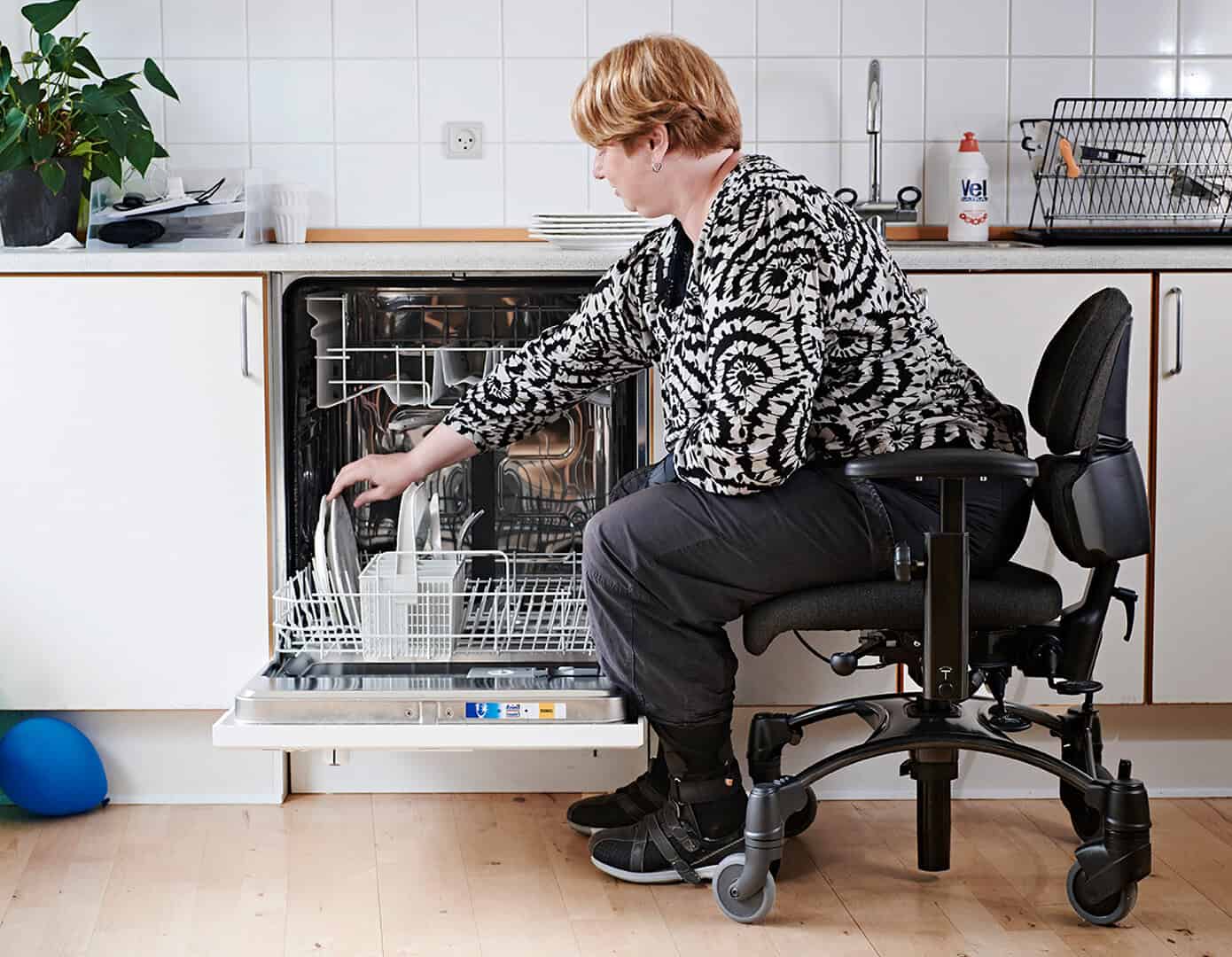
As Florida’s assisted living facilities strive to offer comprehensive care, solutions that support aging adults in maintaining their independence become crucial. This challenge is addressed not only within assisted living settings but also by offering alternatives that allow seniors to age comfortably in their own homes. One such solution is the VELA Independence Chair, a medically approved mobility chair designed for home use. It enhances safety and freedom of movement, supporting daily activities such as cooking and dressing, and eases the burden on informal caregivers by reducing necessary physical support.
Florida Senate, Assisted Living Facilities Act, 2025 Florida Statutes Chapter 429
Florida Agency for Health Care Administration (AHCA)
Florida Regulatory Compliance Guide, 2025 AHCA Rule Changes Including HB 493 on Memory Care and SB 1808 Billing Compliance
Florida Senate, HB 493 Bill Analysis—Minimum Standards for Memory Care in ALFs
Florida Independent Living Regulations, New Electronic Monitoring Rules (HB 223), 2025
Distinctive Living, New Senior Living Regulations to Implement in 2025
National Center for Assisted Living (NCAL), 2024/25 State Regulatory Review for Florida
Florida Senate, HB 1295 Memory Care Services Licensing, 2026
Florida Senate, SB 1404 Memory Care Services, 2026