

Updated February 2026: We have updated the article to reflect 2026 senior living dining trends, emphasizing flexible, home-like dining spaces, senior-friendly ergonomic furniture (such as height-adjustable tables and seating), visual and flooring contrast to support mobility and cognition, increased natural light for wellness, and bistro-style communal areas. The focus now includes personalized “food as medicine” menus and more casual, adaptable layouts, based on current industry trend reports.
Enhancing Quality of Life Through Modern Assisted Living Dining Rooms
Dining spaces in assisted living facilities are pivotal for the well-being of seniors, serving not just as venues for meals but as centers for social interaction and community building. The design and functionality of these dining spaces greatly affect the residents’ quality of life. According to Perkins Eastman, thoughtful space management and accessibility are essential in creating effective and inclusive dining environments for seniors.
Design Principles for the Modern Assisted Living Dining Room
Creating a modern assisted living dining room requires careful consideration of the needs of elderly residents. Spacious layouts are crucial to accommodate mobility devices such as wheelchairs and walkers, allowing residents to move freely and comfortably. According to Perkins Eastman, providing additional space is vital for maneuverability and effective use of mobility devices.
Lighting and acoustics are fundamental elements, as they can significantly enhance the dining experience by reducing sensory strain for those with visual or auditory impairments. Successful implementation of these principles has led to enhanced resident satisfaction in many facilities, further emphasizing their importance.
Recent advancements emphasize the integration of smart wellness technologies like connected health monitoring, medication reminders, smart lighting, and climate controls within dining spaces. Robotics are also being increasingly used to support independence and safety, helping residents with reduced mobility remain engaged with their environment.Direct Supply Blog Ergonomic and inclusive design now prioritizes open layouts with minimal clutter and flexible furniture zoning to meet a wide diversity of needs, including various mobility and cognitive abilities.Labelfoodservice.com Distinctive Living Seniors Housing Business Kwalu
In line with these trends, there is a move away from traditional large, rigid cafeteria-style layouts toward flexible, smaller “neighborhood” spaces, bistro or café-like areas, and open kitchens. These offer grab-and-go options and room service, maximizing independence and comfort for residents with reduced mobility and providing a more inviting, home-like experience.Labelfoodservice.com Distinctive Living
The Role of Dining Spaces in Elderly Socialization and Well-being
Dining rooms in assisted living facilities are more than just places to eat; they are central to fostering social interaction and community ties among residents. A study funded by the NIH highlights that these dining rituals, where residents engage in shared meals and conversations, are integral to creating a home-like environment. Such rituals help transform assisted living spaces into homes, where strangers can become family through shared experiences and interactions.
Increasingly, dining is recognized not just for social value but as a therapeutic and restorative practice. New trends focus on sensory dining experiences, which include soothing music, comforting scents, and tactile elements, supporting cognitive function and emotional well-being. Tools such as “Memory Tables” are introduced in some facilities to stimulate reminiscence and social engagement.Culinary Services Group Participatory and inclusive dining, such as accessible kitchens where seniors can partake in meal preparation, are also being integrated into modern programs.Direct Supply Blog
Industry trends for 2026 further highlight the creation of flexible social hubs within dining rooms, fostering bistro or café-style clusters for both formal and casual gatherings. There is an increased emphasis on supporting resident choice, personalization, and autonomy in dining areas.Distinctive Living Kwalu
Current Color, Lighting, and Furniture Trends in Senior Living Facilities
There has been a noticeable shift toward using warm, neutral palettes and incorporating textures in dining room designs to create cozy and inviting environments. This trend moves away from the institutional feel, aiming to provide a more homelike atmosphere. According to Direct Supply, warm neutrals like taupe and terracotta bring comfort and sophistication to these spaces.
Open layouts with reduced clutter are now standard, often featuring biophilic elements such as indoor gardens and increased natural light. These design elements are shown to reduce fall risk, improve cognition, and create a calming atmosphere for residents.Goebel Design Group Enhanced flexibility in furniture and zoning enables a wider range of activities, supporting multi-functional uses such as bistros or themed pop-up dining events.Direct Supply Blog
Recent 2026 trends recommend ergonomic furniture such as height-adjustable pedestal tables, square tables to accommodate wheelchairs and walkers, and seating with supportive upholstery. Stain-resistant, low-pattern upholstery and contrasting flooring help residents with visual or cognitive difficulties, while clearly marked pathways and multipurpose zones facilitate safe independent movement.Labelfoodservice.com Seniors Housing Business
Design strategies also increasingly maximize use of natural light—through large windows and skylights—for wellness benefits, and use adaptable doors to easily connect indoor dining spaces to outdoor patios, supporting varied activities and rehabilitation.Seniors Housing Business
Case studies have shown that such updates in design not only increase resident satisfaction but also receive positive feedback from families, who appreciate the thoughtfulness in creating engaging and welcoming environments for their loved ones.
Accessibility and Mobility: Creating a Safe Dining Environment
The safety and accessibility of dining environments are paramount to ensuring the well-being and independence of elderly residents. Key safety considerations include non-slip flooring and ergonomic furniture to help prevent falls and accidents. Personalized solutions tailored to the mobility needs of residents are crucial for fostering a secure and accommodating atmosphere.
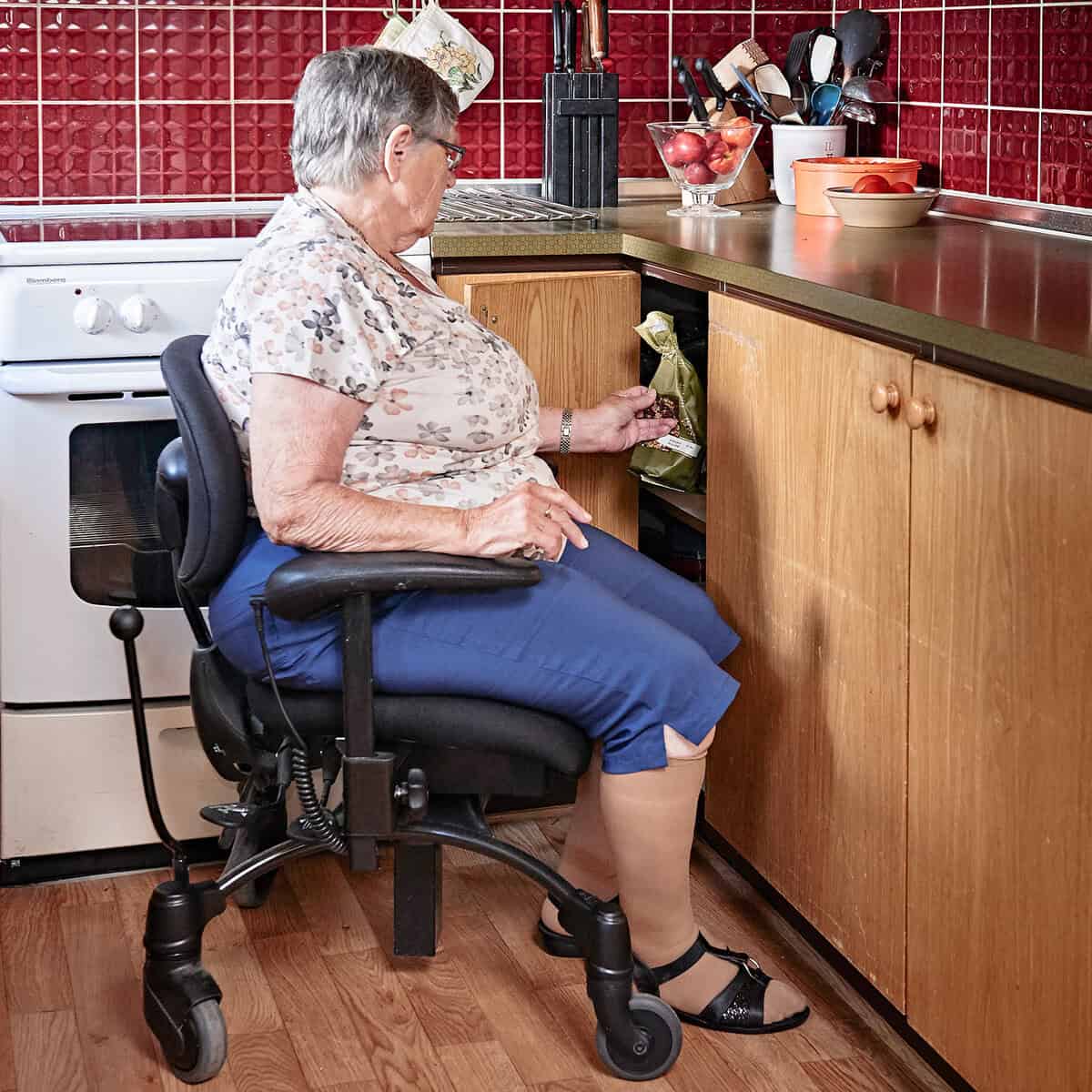
Transitioning from the challenges faced by seniors in traditional nursing homes, innovative solutions are making it possible for older adults to maintain their independence within their own residences. The VELA chair serves as a prime example of such solutions, particularly designed to empower mobility and independence at home. As a medically approved mobility chair, VELA provides enhanced safety features like height adjustability and lockable wheels, which support freedom of movement while seated. This support extends to daily activities such as cooking, dressing, or transferring, effectively reducing the burden on informal caregivers and enhancing the quality of life.
Mobility Solutions for Seniors
Modern assisted living dining rooms must prioritize both safety and independence. The integration of specialized seating, such as VELA chairs, can help facilitate this balance by supporting residents with limited mobility while maintaining a homelike atmosphere.
New approaches give special importance to flexible furniture (like height-adjustable tables and supportive seating), visually contrasting flooring, and optimized pathways. These design elements encourage safe navigation, comfort, and accessibility for all residents, including those with cognitive or sensory limitations.Labelfoodservice.com Seniors Housing Business Distinctive Living
Assisted living dining rooms also increasingly support independence through grab-and-go meal stations and multipurpose communal spaces, replacing large underutilized dining rooms and allowing for more personalized dining experiences.Distinctive Living Kwalu
Supporting Aging in Place: A Practical Option
Exploring alternatives to traditional nursing homes, solutions like the VELA chair stand out as effective tools for enhancing independence at home. These mobility solutions address critical aspects such as safety and ease of movement. The VELA chair’s features, like its central brake for secure seating and electric height adjustability, empower seniors to navigate daily tasks comfortably and safely. By easing transfers and enhancing mobility, the chair can delay the need for nursing home care, preserving the dignity and freedom of its users. While VELA is not the only option, it remains a proven and practical choice for those committed to aging in place, ensuring a life filled with autonomy and reduced caregiver burden.
Best practices now emphasize more personalized, inclusive, and health-focused approaches to dining. Current trends highlight “food as medicine” menu options, allowing meal programs to be directly linked to resident health outcomes and special dietary needs.Distinctive Living Labelfoodservice.com Other features include plant-based and allergen-sensitive diets, flexible dining schedules, and the integration of personalized wellness offerings.
Staffing for new dining programs remains an ongoing challenge, but organizations are adopting innovative strategies to support multidisciplinary teams and participatory dining experiences.Culinary Services Group
These advancements in dining room design and operation underscore the importance of viewing mealtimes as opportunities for socialization, engagement, and personalized wellness, ultimately enhancing quality of life for assisted living residents.Foodservice Director