

Updated February 2026: We have updated the article to reflect major regulatory and funding changes for assisted living in Massachusetts, including new safety and staffing standards, MassHealth eligibility revisions for Senior Care Options (SCO) effective January 2026, an upcoming public ALR database for transparency, expansion of Family Assistance LTSS pathways, and updated financial eligibility criteria for 2026.
Assisted Living That Accepts MassHealth in Massachusetts
Finding an assisted living facility that accepts MassHealth is crucial for many seniors in Massachusetts. MassHealth, the state’s Medicaid program, is integral to providing long-term care services, whether in medical facilities or at home, especially through the Home- and Community-Based Services Waivers. According to Mass.gov, these services are essential for seniors seeking affordable care solutions amidst rising healthcare costs.
What Is Assisted Living That Accepts MassHealth in Massachusetts?
Assisted living facilities that accept MassHealth typically involve Group Adult Foster Care (GAFC) participation to obtain state funding. This program reimburses personal care services but not room and board. This funding is crucial for seniors with limited income and assets, ensuring they can live with dignity and receive essential care without financial strain. According to Nolo.com, GAFC facilitates this balance by paying for personal care services in certified housing.
Example Scenario: Molly, aged 82, moved to a GAFC-certified facility. Previously burdened by healthcare costs, she now enjoys comprehensive daily support through MassHealth, enhancing her quality of life without financial stress.
How MassHealth and GAFC Work with Assisted Living Facilities
The GAFC certification allows for coverage of personal care services, pivotal for seniors needing support with activities like bathing, dressing, and medication management due to mobility or cognitive impairments. As per MASS-ALA, facilities receive up to $1,200 monthly per resident for these services. However, accommodation expenses are the resident’s responsibility, often supplemented by SSI-G if eligible.
Recent Regulatory and Funding Updates for Assisted Living
Significant regulatory reforms for assisted living residences (ALRs) began in Massachusetts since May 26, 2025, with phased implementation through 2027. These reforms include tighter safety standards requiring improved fire safety compliance, standardized and more frequent resident assessments, and a mandate for enhanced staffing with licensed nurses. Additionally, ALRs must have robust emergency preparedness plans in place [1][2]. A publicly searchable online database of ALRs will be launched in July 2026 to increase transparency and help consumers—especially MassHealth users—make informed choices [10].
In addition, MassHealth programs are adapting to promote affordability and access. A new Affordability Task Force is working to expand access to ALRs for low-income individuals. The Family Assistance program’s coverage of long-term services and supports (LTSS) will expand from May 2025, allowing more MassHealth members to qualify for assisted living-like care under the updated policy [4]. Asset and eligibility reviews for PACE (Program of All-inclusive Care for the Elderly) are now stricter, with the 2026 limit for a community spouse set at $162,660 [7].
Eligibility Changes: MassHealth and Senior Care Options (SCO)
Starting January 1, 2026, MassHealth eligibility for the Senior Care Options (SCO) program will require members to have both Medicare Parts A and B, along with MassHealth Standard. Existing SCO enrollees must comply by December 31, 2025. This change may result in some residents in assisted living who do not meet these requirements being shifted to fee-for-service models, which offer no case management or care coordination within ALRs. These changes could affect continuity and affordability of care. It is essential for families to proactively assess their Medicare and MassHealth enrollment to maintain eligibility for coordinated care in ALRs under the SCO program [3][8].
Advocacy continues to support broader MassHealth payment for assisted living, including proposals to fund services under the Frail Elder Waiver at up to 80% of nursing home care costs, improving affordable options outside of skilled nursing facilities [1][2].
Top-Rated Assisted Living Providers That Accept MassHealth
Several top-tier facilities, such as EPOCH Senior Living and Landmark at Longwood, provide GAFC-certified services in Massachusetts. These residences are hailed for their dedicated staff and quality care, which testimonials on AssistedLiving.org confirm.
Experience Clue: Residents report enhanced quality of life and attentiveness from staff, reflecting the effective integration of MassHealth’s GAFC services with day-to-day operations.
Understanding the Costs: What MassHealth Covers (and Doesn’t)
Understanding MassHealth’s role in cost sharing is essential. While personal care services up to $1,200 can be covered, per MedicaidLongTermCare.org, monthly rents averaging $5,599 must be managed through personal funds or assistance programs like SSI-G. This highlights the importance of planning and financial strategy for families.
Enhancing Independence in Assisted Living
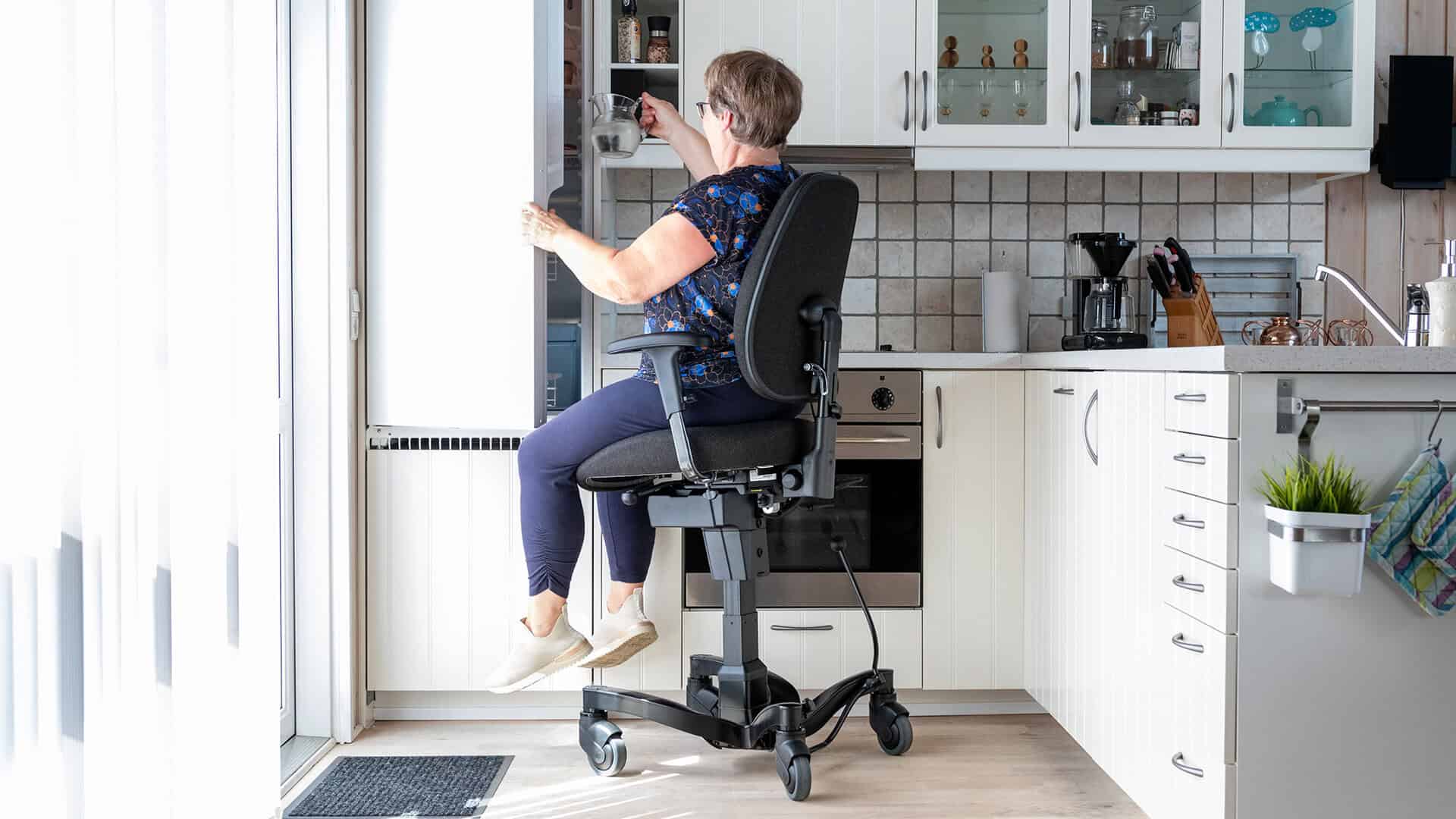
Many seniors face challenges in remaining independent while coping with mobility issues, prompting considerations of nursing home care. However, solutions such as the VELA Chair can support seniors in staying longer in their homes. The VELA Chair, a medically approved mobility chair designed for home use, enhances safety and freedom of movement. It supports daily activities like cooking, dressing, and transferring, while easing the burden on informal caregivers, offering a practical alternative to an early transition to a nursing home.
Exploring Alternatives to Nursing Homes
While nursing homes provide essential care for those with significant health needs, aging in place remains a cherished goal for many seniors. Mobility solutions, like the VELA Chair, empower seniors to maintain independence longer and safely in their own homes. Featuring a central brake for stability, electric height adjustability, and smooth movement while seated, VELA chairs address safety and energy concerns. By enhancing daily activities, such as cooking or cleaning, these chairs contribute to dignity and freedom, delaying the potential need for nursing home care. While VELA chairs are not the sole solution, they are a proven and practical option that supports aging in place.
- State commission proposes stricter standards for assisted living facilities (WGBH, Jan. 12, 2026)
- Governor Healey Announces Immediate Safety Reforms (Mass.gov)
- SCO Program Eligibility Update (Mass-ALA PDF, Nov. 2025)
- MassHealth NF Provider Bulletin on Family Assistance LTSS (Mass Senior Care, June 2025)
- Executive Office of Aging & Independence (Mass.gov, incl. Feb. 2026 hearing)
- Massachusetts Medicaid Eligibility: 2026 Limits (MedicaidPlanningAssistance.org)
- 2026 SCO Eligibility Changes (Mass.gov)