

Updated October 2025: We have updated the article to reflect the latest advancements in assistive technologies for seniors, including AI-powered mobility aids, integrated smart home systems, telemedicine, ambient sensing, and user-customizable devices. The content now highlights recent trends in digital health and comprehensive solutions that enhance independence, safety, and quality of life for Gloucester’s senior population.
Senior Care in Gloucester: Addressing Local Needs with Comprehensive Solutions
In Gloucester, Massachusetts, the needs of the senior population are both pressing and diverse. With 27% of the population aged 60 and over, there is a significant demand for comprehensive home care and support services, as outlined in the SeniorCare Area Plan on Aging 2022-2025. This underscores the critical role of accessible and tailored senior care options to meet the distinct requirements of Gloucester’s demographic and socio-economic profile.
Understanding senior care options in Gloucester: home care, medical, and support services
The landscape of senior care in Gloucester is multifaceted, offering a suite of services designed to support the elderly across various aspects of daily living. Home care services, medical support, and community-based assistance form the core offerings. SeniorCare, Inc., a prominent service provider, exemplifies this approach by delivering programs such as cleaning, laundry, and the well-regarded Meals on Wheels service. Elyssa, a senior resident from Beverly, Massachusetts, shares her experience, saying, “They helped me to purge and pack… and continue to support me by offering cleaning, laundry assistance, and Meals on Wheels” (SeniorCare, Inc. website).
Who are Gloucester’s seniors? Local demographics, needs, and trends
Comprehending the demographic landscape of Gloucester’s seniors is essential for tailoring effective care solutions. According to data from SeniorCare, Inc., approximately 30% of seniors deal with disabilities, and many face challenges such as isolation and low income. This demographic reality necessitates robust support systems addressing complex needs like mobility assistance, chronic disease management, and social inclusion, illustrating the vital requirement for targeted programs to enhance life quality and foster community connections.
Top senior care providers in Gloucester: programs, services, and reviews
In the realm of senior care providers, organizations such as SeniorCare, Inc. and Meyland Smith Senior Care emerge as leading contenders. These providers offer a broad spectrum of services from basic home assistance to advanced medical care, ensuring comprehensive support for Gloucester’s seniors. User reviews, as highlighted by AgingCare.com, emphasize the considerable impact of these services, citing improved well-being and independence, reinforcing the effectiveness of these programs.
Mobility and independence: how innovative equipment and assistive technologies support aging at home
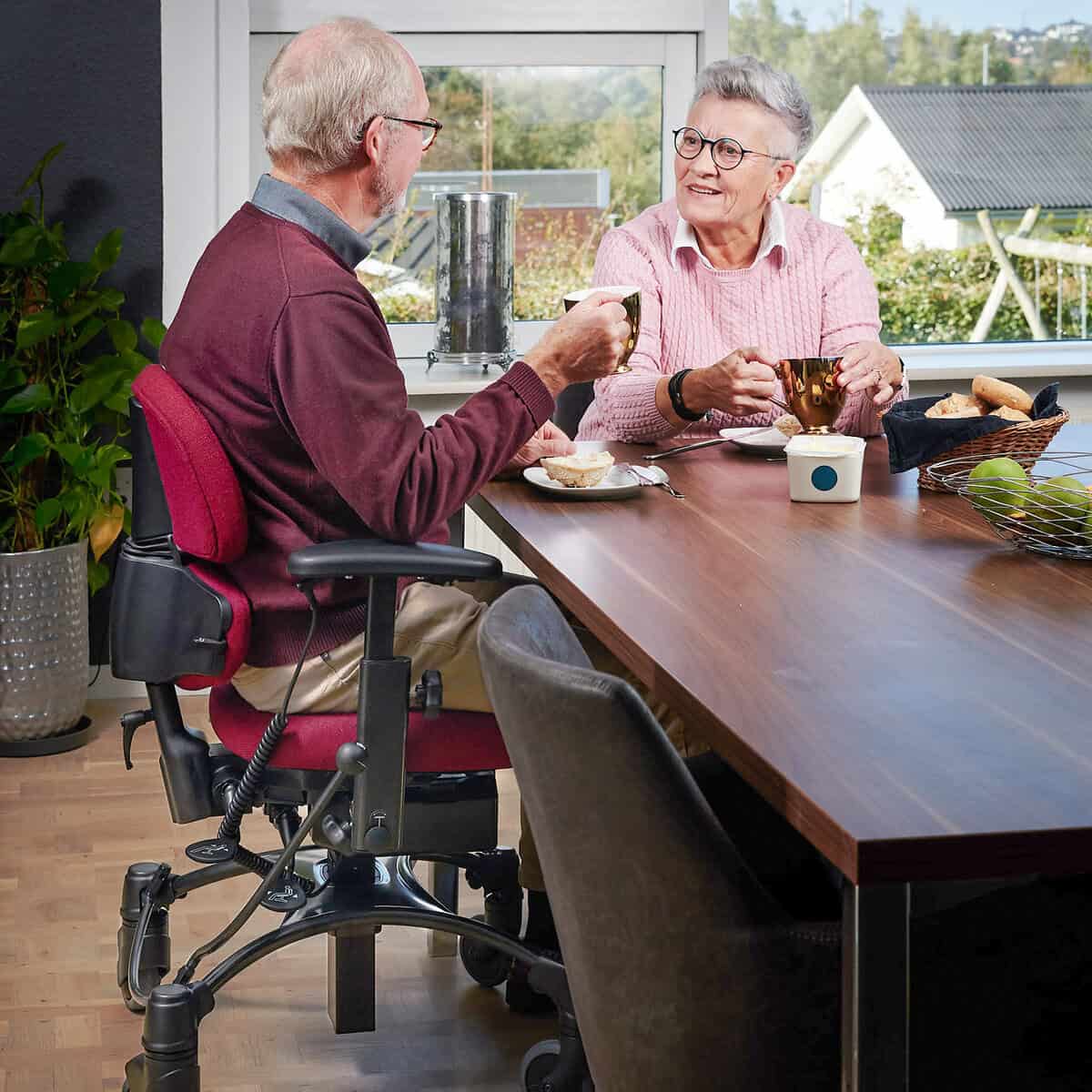
For many seniors, the decision to transition to a nursing home can be precipitated by the physical limitations that come with aging. However, significant advancements in assistive technology now empower older adults to maintain their independence at home longer. Modern mobility aids, such as the VELA Independence Chair, continue to play a crucial role by delivering ergonomic design, safety features, and daily activity support. In 2025, a new generation of smart assistive devices has become widely available: AI-powered wheelchairs and mobility aids now offer adaptive learning, collision avoidance, voice controls, GPS mapping, and remote customization through mobile applications. These technologies not only increase safety and autonomy for the user but also allow caregivers to monitor and set preferences easily.
Additionally, comprehensive wearable health sensors have evolved to provide continuous vital monitoring, accurate fall detection, and real-time data sharing with caregivers or healthcare professionals—enabling timely interventions and proactive health management. Ambient sensing technologies, using Wi-Fi signals instead of cameras or wearables, add another layer of privacy-conscious monitoring, supporting safety and independence for seniors aging in place.
With these advancements, seniors in Gloucester benefit from solutions that adapt to individual habits, reduce reliance on institutional care, and foster the autonomy and dignity of remaining in familiar surroundings.
Ensuring comprehensive senior care in Gloucester: a path forward
As the senior care landscape in Gloucester evolves, embracing a holistic approach that integrates diverse home care options, community services, and advanced assistive technologies is imperative. Recent trends show strong adoption of smart home systems—including voice-activated assistants, automated lighting, smart locks, and building automation—within senior living environments.
Telemedicine and virtual healthcare have become standard, providing seniors with reliable access to doctors and specialists remotely, which reduces travel burdens and ensures timely care. AI tools and predictive analytics are being increasingly used to optimize care delivery, personalize interventions, and enhance staff workflows, although challenges remain regarding interoperability and privacy.
According to the SeniorCare Area Plan on Aging 2022-2025, strategic planning and investment in advanced digital health and aging-in-place solutions are crucial for meeting the diverse needs of Gloucester’s senior community. By prioritizing these initiatives and integrating comprehensive technology into care models, the region can foster an environment where seniors thrive in both independence and quality of life.
Supporting aging in place: a practical option
For individuals and families seeking alternatives to nursing homes, products like the VELA Independence Chair continue to offer a promising solution to prolong independence at home. Modern versions of these chairs are now equipped with features such as central brakes, electric height adjustability, and ease of movement while seated, all of which reduce fall risk and conserve energy. Advanced models also integrate remote customization and real-time monitoring.
Beyond traditional mobility products, the expanded ecosystem of senior assistive technology includes smart mobility aids, wearable health sensors, and privacy-sensitive ambient monitors. These empower seniors to manage daily routines—such as cooking, cleaning, or relaxing—with minimal risk and maximum autonomy, potentially delaying or eliminating the need for institutional care. The robustness of chairs like the VELA Independence Chair, combined with the integration of digital health platforms and smart home solutions, enhances not just physical support but also brings peace of mind to families and caregivers.
Sources
- Cyces Blog: AgeTech Trends 2025: AI, Robotics & the Future of Aging
- Harvard Boston Retirement Healthcare: The Future of Senior Living: Trends to Watch in 2025
- ButterflyMX: Senior Living Technology Trends 2025
- Everything Medical Online: The Latest Trends in Mobility Aid Technology for 2025
- Peters Creek Senior Care Blog: The Role of Assistive Technologies in Senior Care
- Parks Associates: The Future of Senior Care: How Ambient Sensing is Transforming Aging in Place
- Argentum & A Place for Mom: 2025 Senior Living Technology Report
- Caring Data Blog: Technology in Senior Care: How Innovation Is Transforming
- Mindbowser: Elderly Care Technology: 6 Trends Shaping Home Health
- Placita Care: How the 2025 Senior Tech Boom is Making Aging in Place Easier