

Updated October 2025: We have updated the article to reflect recent advancements in assistive technologies, including AI-powered mobility aids, brain-computer interface prosthetics, and smart wheelchairs, as well as new regulatory changes in skilled nursing care reporting. These innovations and updates impact both the independence and care quality in skilled nursing and assisted living environments.
Understanding the Difference Between Skilled Nursing and Assisted Living
Choosing the right care option for an aging loved one can be challenging. Many families ponder the difference between skilled nursing and assisted living, two senior living options catering to different needs. Understanding their distinctions is crucial for informed decision-making. According to the National Institute on Aging (NIA), nursing homes, also known as skilled nursing facilities, offer a comprehensive range of health and personal care services tailored to individuals with significant medical requirements. In contrast, assisted living facilities provide a balance of independence and support for those needing help with daily activities but not round-the-clock medical oversight.
Understanding Senior Living Options: Assisted Living vs. Skilled Nursing
Assisted living and skilled nursing facilities serve distinct purposes. Assisted living is designed for seniors who seek to maintain some level of independence while receiving assistance with activities like bathing, dressing, or medication management. These facilities often promote a lifestyle rich in social activities and personalized care plans, enabling residents to enjoy flexible routines resembling those they maintained at home.
In comparison, skilled nursing facilities cater to seniors with complex medical needs requiring 24/7 medical supervision and care. They are particularly suitable for patients recovering from significant health events, such as strokes, or those living with severe mobility issues. The NIA emphasizes that such facilities are equipped to handle multiple diagnoses requiring consistent medical oversight and supervision. Innovations such as AI-powered rehabilitation devices, smart wheelchairs with autonomous navigation, and precision rehabilitation robots now support recovery and mobility in skilled nursing settings, enhancing both clinical outcomes and residents’ independence.[2] [6] [10]
Medical Needs Assessment: Who Needs Skilled Nursing?
Skilled nursing care is indispensable for seniors who require intensive medical treatments and continuous supervision. This includes individuals recuperating from severe health setbacks or those dealing with chronic ailments that make independent living challenging. For instance, a stroke patient needing rehabilitation, or someone with severe mobility restrictions, benefits from the constant monitoring and specialized care that skilled nursing facilities provide. As stated by Senior Services of America, skilled nursing is essential for seniors requiring 24/7 medical treatment from registered nurses and access to therapy services daily.
Since July 2025, new regulatory changes from the Centers for Medicare & Medicaid Services (CMS) have updated the quality reporting and rating systems for skilled nursing facilities, offering families greater transparency and more precise information when comparing care settings. These updates aim to guide decision-making and highlight improvements in care quality.[11]
Independence & Lifestyle in Assisted Living Facilities
Assisted living facilities aim to provide a supportive environment that upholds autonomy while offering necessary assistance with daily functions. Residents enjoy the freedom to engage in social activities, set their routines, and participate in community events while receiving help with tasks such as bathing or dressing. According to Dove Healthcare, assisted living requires that residents’ medical conditions remain stable, allowing them to manage without frequent changes in physician orders.
In practice, residents like “Mary,” an assisted living facility resident, benefit from structured social engagements, which help combat the isolation often associated with aging. Mary enjoys painting classes and group outings, which are significant additions to her quality of life. Today, inclusive design innovations—such as adaptive beauty systems for touchless cosmetic application and wearable assistive devices like AI-powered smart glasses—improve daily living and enhance independence for people with varying abilities in assisted living.[4] [6]
Independence Through Mobility Solutions
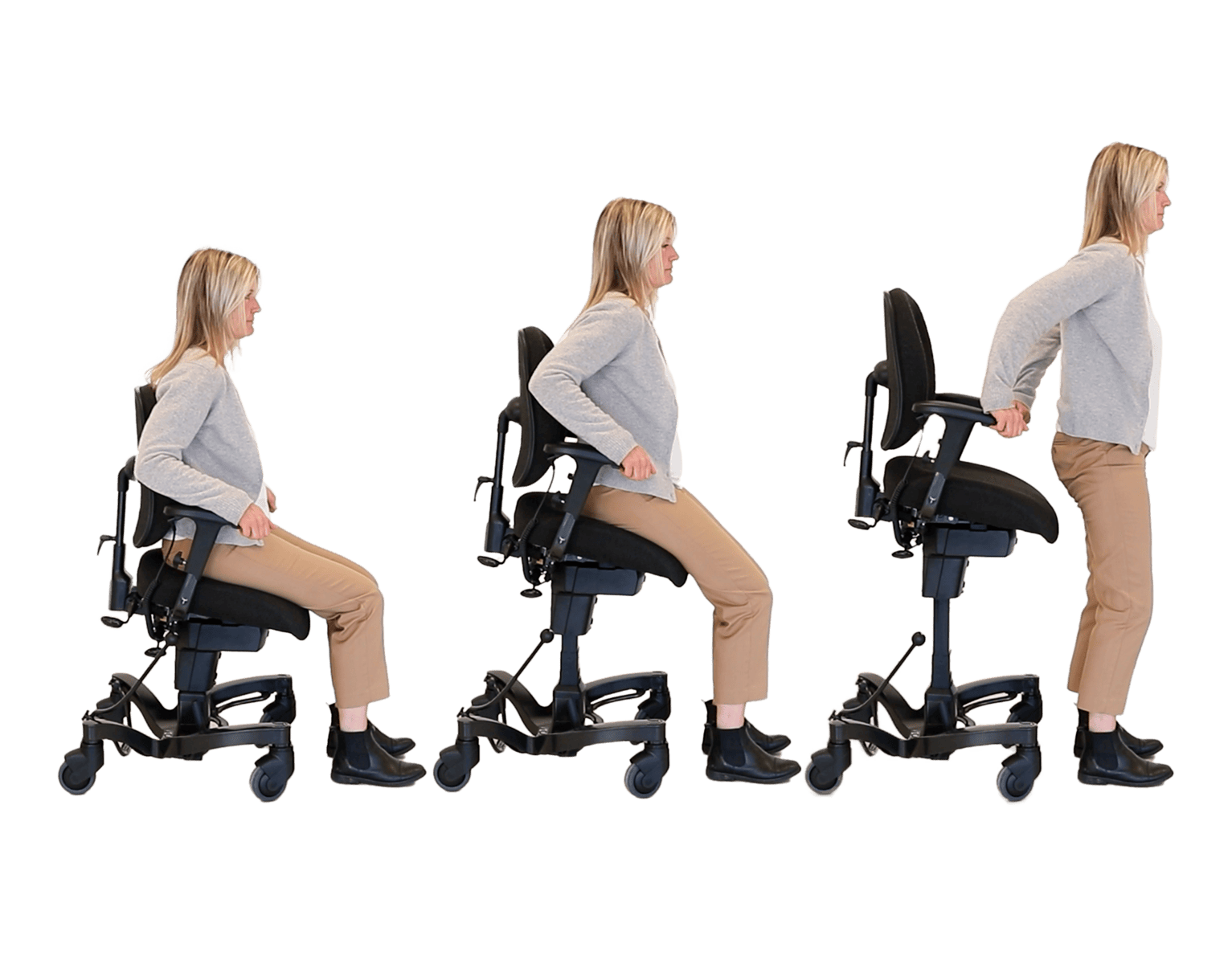
As we’ve explored the challenges presented by nursing homes, it’s vital to consider innovative strategies that empower older adults to maintain their independence at home. One such solution is the VELA Independence Chair, a medically approved mobility chair specifically designed for home use. This chair enhances safety and mobility by providing features like height adjustability and ergonomic support, enabling seniors to conduct daily activities such as cooking, dressing, or transferring with greater ease. It significantly reduces the dependency on informal caregivers, promoting freedom of movement and confidence in day-to-day tasks.
Beyond traditional options, seniors in both assisted living and skilled nursing environments benefit from the emergence of advanced mobility and rehabilitation technology. These include brain-computer interface prosthetics that enable users to control prosthetic limbs with their thoughts, smart wheelchairs with autonomous navigation and app connectivity, and exoneuromusculoskeletons that combine exoskeletons and neuromuscular stimulation to support stroke rehabilitation.[2] [8] [6] [10]
Adoption trends indicate a growing preference for wearable assistive devices with AI features and stylish, user-friendly designs, which improve safety, rehabilitation, and social participation for residents.[10]
Payment Models: Medicare, Medicaid, and Private Pay Differences
Financing senior care often dictates the choice between assisted living and skilled nursing. Assisted living primarily relies on private pay, necessitating adequate retirement savings or family contributions. This mode of payment supports the flexible lifestyle and personalized care plans typical of these environments. On the other hand, skilled nursing might be covered by Medicare or Medicaid, particularly in cases involving short-term rehabilitation post-hospitalization or for those qualifying under Medicaid’s stringent criteria. The Medicare.gov details that Medicare’s support extends to specific conditions on a short-term basis, making it vital for families to evaluate financial resources and coverage before making decisions.
Looking ahead, the World Health Organization projects that by 2050, 3.5 billion people worldwide will require assistive technology due to aging and chronic health conditions, further highlighting the importance of accessible, innovative mobility and rehabilitation solutions in all long-term care settings.[12]
In summary, understanding the difference between skilled nursing and assisted living is vital for selecting a suitable care path for an aging family member. Skilled nursing facilities cater to individuals with significant medical needs, providing comprehensive care and oversight. Meanwhile, assisted living offers a blend of independence and support, ideal for those who need assistance with daily tasks but can still relish an active lifestyle. Recognizing and assessing your loved one’s specific needs, available financial resources, and lifestyle preferences are crucial steps in choosing the right care setting.
Supporting Aging in Place: A Practical Option
For those seeking to prolong their independence and stay at home longer, VELA Chairs present an effective solution. With features such as a central brake for added stability, electric height adjustability for effortless transfers, and the ability to maneuver easily while seated, these supportive aids for home independence directly address several challenges faced by seniors. By alleviating the physical strain often associated with everyday activities, VELA Chairs not only enhance dignity and freedom but also delay the necessity for nursing home care. While VELA is not the only option available, it stands as a proven and practical choice that supports aging in place with enhanced comfort and security. By facilitating everyday tasks like cooking, cleaning, and relaxing, these chairs help maintain the quality of life and reduce the burden on caregivers, making at-home living a safer and more sustainable alternative. For further insight into these supportive aids for home independence, explore available resources to make informed decisions for a better future.