

Updated October 2025: We have updated the article to include recent advances in assistive technology, such as AI-powered integrated solutions, smart home and telehealth integration for aging in place, and ergonomic product design. The update also covers major developments in user-centered design, the shift toward holistic support ecosystems, and highlights new adoption challenges and leading innovations in the field.
Enhancing Assisted Living Experiences: Spring Park Assisted Living
As families explore senior living options, Spring Park Assisted Living in Travelers Rest, SC, emerges as a standout choice. With its integrated approach to assisted living and memory care, this community emphasizes independence, personalized care plans, and social engagement. According to the National Institute on Aging, such an approach is crucial for those who need assistance with daily care but not at the level of a full-time nursing facility.
What Makes Spring Park Assisted Living Unique?
Spring Park excels in seamlessly combining assisted living and memory care under one roof. The facility caters to various needs with 24/7 professional staff committed to resident well-being. Personal preferences, capabilities, and health are respected through individualized care plans. Residents enjoy independence and active social interactions, engaging in personalized activities like group exercises and creative arts. Such efforts lead to enhanced well-being and satisfaction, as highlighted by reviews on A Place for Mom.
What Levels of Care and Support Are Offered?
Spring Park distinguishes between assisted living and memory care services expertly. Assisted living involves support with activities of daily living (ADLs), medication management, and meal programs. Memory care targets those with dementia, focusing on specialized wellness activities and structured environments. Cognitive function improvements are typical benefits of memory care, aligning with standards from the National Institute on Aging.
How Assistive Technology is Evolving in Senior Living
Recent developments in assistive technology are transforming assisted living environments. The market for devices supporting disabled and elderly individuals is expected to nearly double by 2030, driven by demographic changes and rapid innovation[1]. Increasingly, residents and caregivers can access integrated AI-powered assistants that unify functions such as reminders, navigation, and communication. Emerging devices like AI glasses provide real-time text reading and object recognition, while modular wheelchairs and adaptive controllers offer enhanced personalization and comfort[1][3][4].
Smart home solutions and telehealth integration are now central to assisted living, supporting older adults’ strong preference to age in place[2]. Remote monitoring systems, wearables with health tracking, and voice-activated platforms help promote safety and connectivity, while also linking residents to broader care and support networks[5][6]. Voice assistants have become especially popular among those with vision or dexterity challenges, helping with reminders, communication, and daily entertainment.
Despite these advances, barriers remain. About half of adults over 55 use assistive technology, but adoption often stalls due to fragmented systems or challenges for users with severe disabilities[2][4]. Modern solutions increasingly focus on ergonomic and inclusive design, ease of use, and seamless integration into daily routines, addressing these hurdles for a wider range of needs.
How Much Does Assisted Living Cost in Travelers Rest, SC?
The financial aspect is crucial when selecting a senior community. In Travelers Rest, SC, Spring Park offers competitive rates starting at around $3,990 per month, below the local market average of $4,650. Costs typically include accommodations, daily meals, utilities, and health and wellness program access. Financial aid options, like state Medicaid programs or veterans benefits, might be available for eligible residents. While Medicare covers some services, it generally doesn’t include room and board in assisted living settings.
What Do Residents and Families Say About Spring Park?
Feedback from residents and their families consistently praises the compassionate care and diverse activities at Spring Park. Testimonials reflect satisfaction with quality care and the vibrant, inclusive community. A family case study reveals how personalized care helped their loved one thrive, highlighting the facility’s commitment to excellence.
Understanding State and Federal Oversight in Senior Living
Ensuring health and safety standard compliance is essential. In South Carolina, facilities like Spring Park comply with regulations from the Department of Health and Environmental Control (DHEC). These regulations involve regular inspections and maintaining individualized care plans to ensure safe, supportive environments, as noted by the South Carolina DHEC.
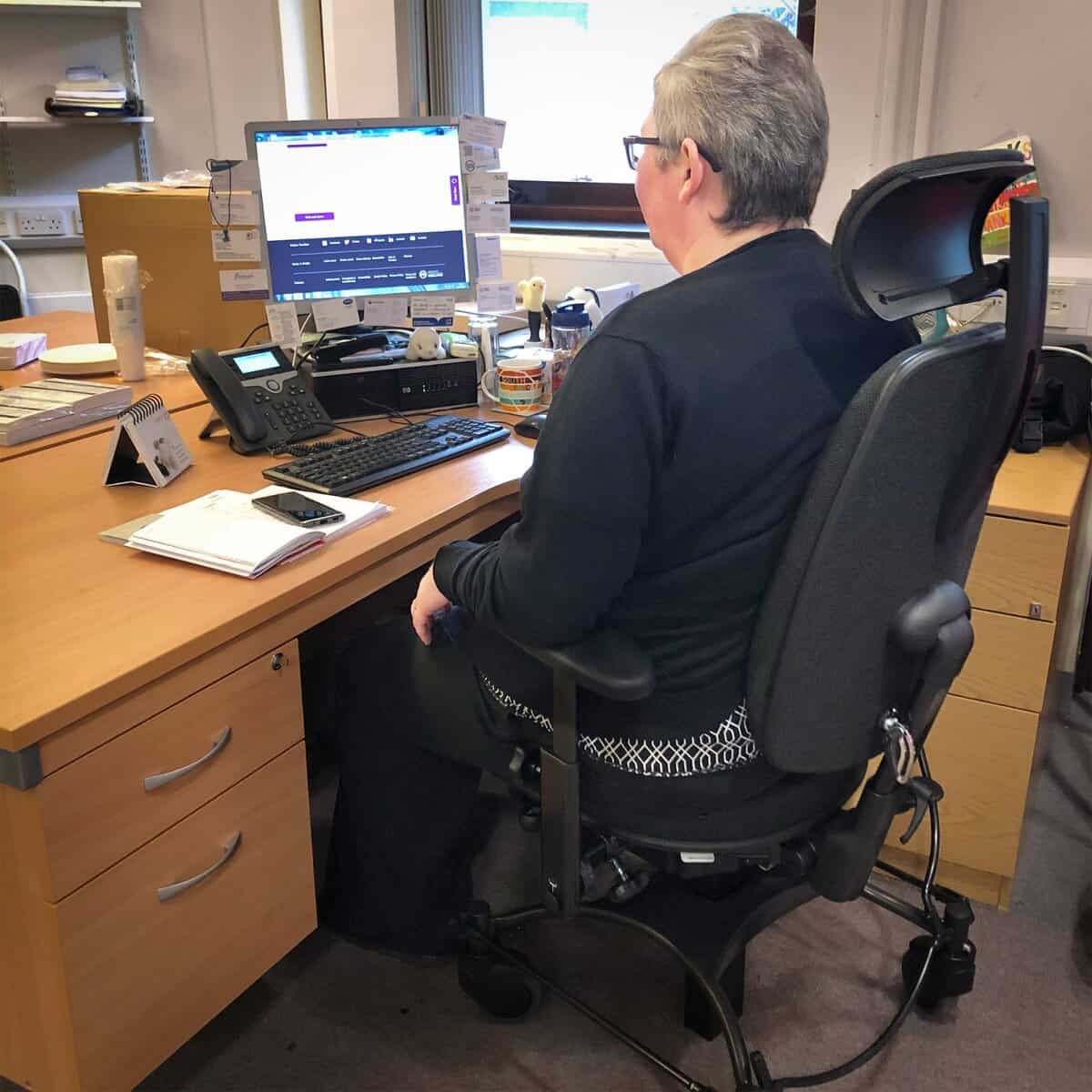
Transitioning from assisted living or memory care challenges, families often look for solutions to maintain home independence. VELA Chairs offer innovative, medically approved mobility aids that enhance safety and support daily activities. Designed for home use, these chairs assist with cooking, dressing, and transferring, easing caregiver strain.
Exploring Alternatives to Nursing Homes
VELA Chairs provide a practical home solution, delaying nursing home placement needs. Features like a central brake system ensure safety, while electric height adjustability conserves energy. They empower individuals in daily activities like cooking and cleaning, preserving their dignity and freedom. While not the only option, VELA Chairs effectively support aging-in-place journeys. More information on innovative products for aging in place offers additional insights into creating safer, more comfortable home settings for seniors.
References
- Next MSC Report on Disabled and Elderly Assistive Device Market: Detailed market analysis, innovation trends, and demographic drivers, including AI-powered smart glasses and affordable, customizable mobility solutions[1].
- Milken Institute Report on Connected Care: Examines telehealth, remote monitoring, and digital health tools for aging in place, with actionable recommendations for policymakers and providers[2].
- Envision Blog on Future of Assistive Technology: Discusses the transition from apps to AI-powered assistants, focusing on speed, accessibility, and user empowerment for people with visual impairments[3].
- Market.us Media on Assistive Technology Statistics: Provides data on adoption challenges, innovation trends (e.g., eSight Go, Project Leonardo), and the convergence of assistive and mainstream tech[4].
- Seniors Bluebook Guide to Technology for Older Adults: Practical overview of current wearable devices, medical alert systems, and smart home solutions tailored for seniors[5].
- AskSAMIE on Voice-Activated Assistive Tech: Highlights the growing role of voice assistants in supporting independence for older adults[6].