

Updated October 2025: We have updated the article to reflect the latest trends in assisted living marketing, including the central role of AI-driven technologies, smart wearable health monitors, integrated digital ecosystems, person-centered design, and current regulatory priorities emphasizing data-driven care and transparency.
Crafting Impactful Assisted Living Advertisements for 2025
The realm of assisted living advertising is undergoing a transformative phase as it endeavors to meet the dynamic needs of seniors and their families. According to Haven Senior Investments, the assisted living market is projected to grow from $92.6 billion in 2023 to an astounding $118.17 billion by 2028. This considerable market expansion, characterized by a compound annual growth rate (CAGR) of 5%, presents both opportunities and challenges for marketers aiming to connect seniors with suitable living arrangements effectively.
Understanding the Dynamics of Assisted Living Marketing
Assisted living marketing has evolved significantly. Initially dominated by brochures and word-of-mouth, it now demands a more nuanced and targeted approach to thrive. At the heart of this evolution is strategic keyword usage, emphasizing location-specific searches to capture intent-driven inquiries. For instance, prospective residents often search “assisted living near me,” yielding results from facilities that have prioritized local SEO optimization. According to ELK HQ, nearly 80% of such searches involve a location-based component, reinforcing the need for a strong local SEO strategy. An exemplary case is a facility nearing full vacancy; through focused local SEO efforts, it witnessed a 20% increase in occupancy rates within months.
Harnessing Technology for Enhanced Senior Living Advertising
Advanced technologies such as Artificial Intelligence (AI), predictive analytics, and smart wearable health monitors are now central to both care delivery and marketing in senior living. AI-powered tools synthesize complex medical data in real-time, enhancing care coordination and reducing documentation burdens for staff, while also helping to anticipate resident needs through predictive capabilities. These advantages can be highlighted in marketing materials to showcase innovation and quality of care Argentum & A Place for Mom, 2025 State of Technology Adoption in Senior Living. Smart sensors, voice-activated assistants, and resident portals support autonomy and streamline communication between residents, families, and care teams. Virtual Reality (VR) also continues to be valuable, enabling potential residents to experience facilities remotely, which can increase conversion rates. Personalization technologies, spanning from tailored VR tours to individualized wellness programming, are critical differentiators in a competitive market Juniper Communities, Senior Living Trends 2025.
Marketing strategies now leverage integrated digital ecosystems to respond to evolving expectations. Facilities that promote the use of smart home technology, wearables, and transparent communication platforms address both clinical and lifestyle needs, resonating with families seeking innovative, safe, and dignified homes for their loved ones Health Dimensions Group, 2025 Top Trends in Aging Services.
Addressing Financial Considerations in Assisted Living Advertising
Communication of financial aspects is crucial, with clarity and transparency forming the cornerstone of effective marketing strategies. The Senior List reports that the national average cost for assisted living was approximately $4,774 per month in 2023, with projections anticipating a rise to $5,676 by 2025. By focusing marketing campaigns on affordability and pricing transparency, one facility successfully doubled its inquiries in a fiscal quarter, underscoring the importance of clear financial communication.
In 2025, regulatory updates are particularly relevant to advertising. Health policies increasingly require digital health integration, privacy protections, and transparency regarding quality measures. Assisted living providers should ensure marketing claims are substantiated by data—leveraging quality metrics, care outcomes, and technology integration as evidence of value CLACConnect, Senior Living Industry Trends 2025.
Innovative Solutions for Enhanced Mobility in Assisted Living
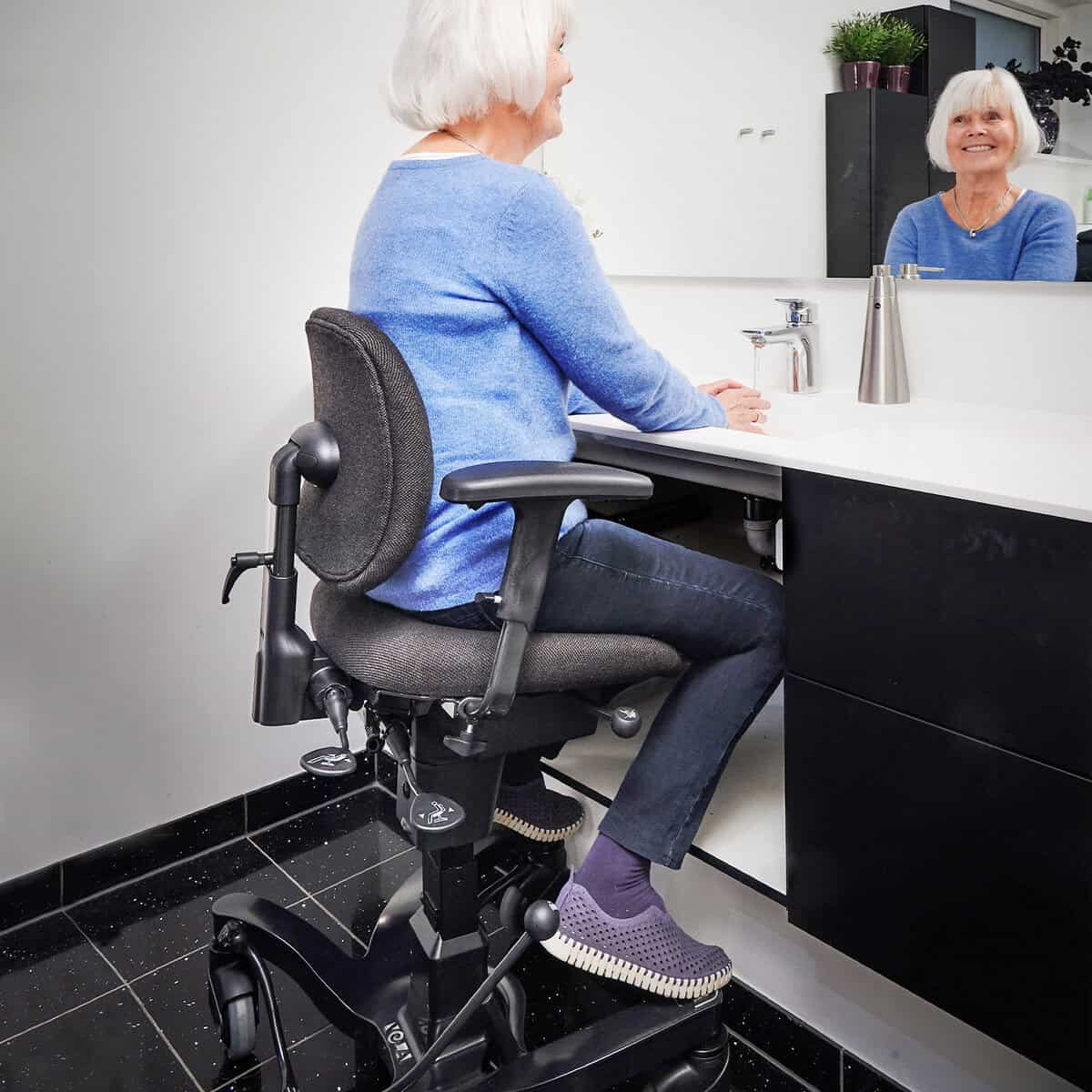
As the challenges of nursing homes compel many to seek alternatives, innovative solutions have emerged to aid older adults in preserving their independence within their own homes. This paradigm shift brings products like the VELA chair into focus, a medically approved mobility chair designed for home use. By providing enhanced safety, freedom of movement while seated, and support for daily activities such as cooking, dressing, or transferring, VELA chairs effectively reduce the burden on informal caregivers and enhance the autonomy of the elderly.
Current ergonomic and rehabilitation approaches emphasize inclusive, person-centered design and wellness-oriented environments that foster dignity, comfort, and cognitive engagement, particularly in memory care. Integrated environmental sensors and data analytics now support safer, more independent living spaces, a point that can be thoughtfully woven into both product marketing and facility narratives Gensler, Trends Shaping Future of Senior Living Design.
Recapping Impactful Advertising Approaches
Assisted living advertising has become crucial in ensuring that seniors find homes that complement their needs and lifestyle. By intertwining personalization techniques with technological innovations, such as AI, smart wearables, and digital communication tools, facilities can expand their appeal and boost occupancy. Emphasizing financial transparency and data-driven care quality significantly increases interest and inquiries, as evidenced by recent trends. According to SAG Apixel, strategies that integrate these elements effectively are poised to lead in the coming years.
In conclusion, successful assisted living advertisements must align with evolving market trends, resident-centered technology, and new regulatory requirements. By incorporating insights from recent expert research, facilities can craft marketing narratives that convey innovation, trustworthiness, and a deep commitment to resident dignity and engagement. This approach not only promotes credibility but also ensures a genuine connection with prospective residents and their families, supporting an enriched senior living experience.
- Argentum & A Place for Mom, 2025 State of Technology Adoption in Senior Living
- Health Dimensions Group, 2025 Top Trends in Aging Services
- CCL Hospitality Group, AI Implementation in Senior Living
- Juniper Communities, Senior Living Trends 2025
- Gensler, Trends Shaping Future of Senior Living Design
- CLACConnect, Senior Living Industry Trends 2025
- HealthTech Magazine, Senior Care Technology Predictions 2025