

Updated February 2026: We have updated the article with new Illinois regulations effective January 2026—covering anti-retaliation protections, mandatory staff training, pre-admission cognitive assessments, and safeguards against involuntary discharges in assisted living. We have also included the latest innovations in assistive technology, including AI-powered smart wheelchairs, mobility solutions featured at CES 2026, and significant market growth trends for independence-enhancing devices.
Comprehensive Guide to Lombard Assisted Living in Illinois
Navigating the journey toward finding the ideal assisted living facility can be daunting for seniors and their families. This guide focuses on Lombard, Illinois, a community rich in resources catering to senior care. With specific insights and practical advice, this article aims to help families make informed choices.
Evaluating Assisted Living Options in Lombard
Located roughly 20 miles west of Chicago, Lombard strikes a balance between small-town comfort and big-city accessibility, making it a prime location for seniors looking for assisted living options. According to Caring.com, Lombard hosts a variety of assisted living communities, each designed to meet unique care needs. Facilities like Lombard Place Assisted Living and Memory Care stand out for offering a range of amenities and personalized care plans catering to the elderly population’s lifestyle and preferences. Real-life case studies reveal that daily life in these facilities is enriched by social activities, nutritious meal plans, and peer companionship, ensuring a holistic approach to senior living.
A practical day-to-day scenario might involve a resident enjoying a morning exercise class tailored for seniors, followed by a nutritious breakfast with peers. Afternoon activities could include a gardening club, where residents cultivate plants, ensuring engagement and a sense of accomplishment. Evening times may see participation in game nights or musical performances, fostering community and reducing feelings of isolation.
Financial Planning for Assisted Living in Lombard
When considering assisted living in Lombard, the financial aspect cannot be overlooked. The monthly average cost here is about $4,825, surpassing both the state and national averages. It’s vital for families to assess financial strategies to manage these expenses. Exploring options such as long-term care insurance, veterans benefits, and Medicaid eligibility can significantly alleviate the financial burden. A typical scenario might involve a family reviewing these financial avenues, weighing their benefits against the associated costs, to identify the most feasible solution for their loved one.
For example, families might consult with a financial advisor specializing in elder care to explore potential tax benefits or discuss with facility representatives about any available financial assistance programs unique to the Lombard area.
Selecting the Best Assisted Living Facility
Choosing the right facility entails more than just financial considerations. It involves assessing various factors critical to the well-being and contentment of the resident. According to A Place for Mom, families should evaluate care level demands, visitation policies, and social programs when selecting a facility. For instance, Sunrise Assisted Living in Lombard is highlighted for its exceptional care services and flexibility in visitation policies, reflecting a commitment to the residents’ holistic well-being. Testimonials from families underscore the importance of these factors, illustrating how such considerations lead to finding a facility that offers both comfort and care.
One such scenario could involve frequent family visits enhanced by flexible visitation policies, allowing residents to maintain strong familial connections and emotional support, contributing to their overall satisfaction and mental health.
Mobility Solutions for Enhanced Independence in Assisted Living
Recent advancements in assistive technology are making significant differences in mobility and independence for seniors and individuals with disabilities. In 2026, new solutions include AI-powered smart wheelchairs—such as LUCI add-ons for pressure monitoring and customizable driving profiles, Robooter X40 with app-based remote control, the WheelMove advanced steering attachment for manual models, and stair-climbing power chairs featured by XSTO. Leading innovations from CES 2026, including MaaS-Bridge for accessible urban mobility and SEERU for real-time traffic awareness, expand options for safer, more intuitive navigation.[1][3][5] These devices run alongside previously available technologies such as Meta Ray-Ban Smart Glasses, AI voice-activated interpreters, and ergonomic seating—helping reduce barriers and enhance daily living in assisted communities.
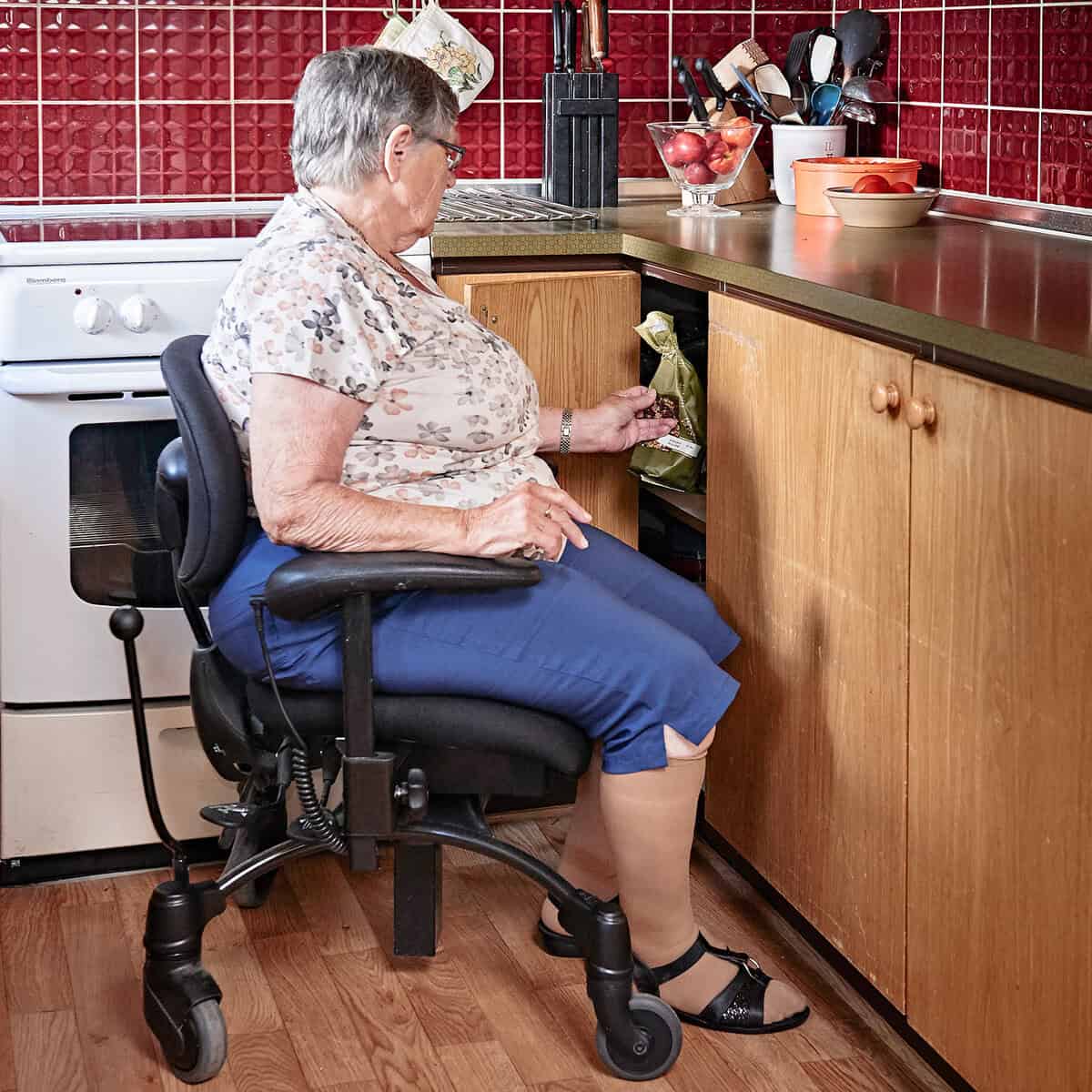
Market data shows that demand is accelerating, with mobility aids projected to account for 34% of the assistive technology sector by 2025, as more people seek independence-enabling solutions.[5] For example, the VELA Independence Chair remains a practical, medically approved mobility option, offering features like electric height adjustment, central braking, and ergonomic support—empowering users in activities such as cooking, dressing, and safe transfers, while reducing caregiver strain within both assisted and home environments.
Exploring Alternatives to Nursing Homes
Technological and ergonomic innovation gives seniors new opportunities to age in place and stay independent, potentially reducing or delaying the need for nursing home care. The VELA Chair, for example, includes features such as a central brake system, electric height adjustability, and ergonomic seating to minimize fall risk and optimize user comfort and energy conservation. Additionally, these solutions complement a broader trend towards user-centric rehabilitation tools, including voice-activated technology, text-to-speech systems, and ergonomic aids tailored to seniors’ needs.[7] These advances enhance the ability for seniors to participate in daily activities with dignity and minimal fatigue while reducing caregiver stress. For more information, explore Mobility Support for Seniors to see how modern ergonomic aids can significantly improve daily life for the elderly.
Important Illinois Laws and Regulatory Updates (2026)
Illinois has enacted significant legal updates, effective January 1, 2026, impacting seniors, caregivers, and assisted living providers in Lombard. The amended Nursing Home Care Act (Public Act 103-1069) now prohibits retaliation against residents who file complaints and requires both annual resident notifications and staff training regarding their rights.[2] Senate Bill 1299 strengthens protections in assisted living by mandating enhanced assessment, resident involvement in service plans, and clear due process before any involuntary termination can occur.[4] House Bill 3328 now requires pre-admission cognitive assessments for residents entering assisted living facilities with specialized Alzheimer’s care units.[6] These reforms increase resident autonomy, bolster care continuity, and foster a stronger culture of rights and safety for assisted and long-term care communities in Lombard.
Emerging Trends and Community Perspectives
Expert perspectives from leading technology conferences, including CES 2026 and ATIA 2026, highlight the rapid integration of inclusive assistive technology in senior living. AI-driven navigation aids, terrain-adaptive wheelchairs, and real-time communication devices are becoming mainstream, reflecting user feedback and enhancing daily autonomy.[3] These developments, along with dynamic Illinois policy shifts in resident protection, position Lombard’s assisted living community at the forefront of evidence-based, technologically advanced, and resident-centric care.