

Updated February 2026: We have updated the article with the latest 2026 trends in assisted living, including tech-driven personalization of care plans, blended service models, 2025–2026 Iowa Medicaid financial eligibility information, and current assisted living costs in Marion, Iowa.
Updated October 2025: We have updated the article to reflect recent trends in assistive technology and ergonomic design in assisted living, including new information on the integration of smart devices, accessible design principles, and evolving rehabilitation practices that impact quality of life for seniors.
Assisted Living in Marion, Iowa: A Comprehensive Guide
In Marion, Iowa, the demand for quality assisted living options is on the rise. With 17.49% of residents aged 65 and older—slightly higher than the national average of 16.53%—there is a pronounced need to cater to seniors who require varying levels of supportive care while aiming to maintain their independence.
Diverse Assisted Living Options for Seniors in Marion
Marion provides a spectrum of senior living arrangements to accommodate diverse needs. Here’s an overview:
- Independent Living: These communities are ideal for seniors who live independently yet seek the social and supportive environment of community living, focusing on activities and engagement with minimal assistance.
- Assisted Living: Tailored for seniors who require help with daily activities such as bathing, dressing, and medication management. Communities in Marion often develop personalized care plans for residents.
- Memory Care: Specialized facilities cater to seniors with Alzheimer’s and other memory impairments, ensuring a structured and secure environment.
- Nursing Home Care: Provides round-the-clock medical supervision for those needing constant care, often including rehabilitative services.
Practical experience: Consider John, an active senior whose growing mobility challenges led him to transition from independent living to assisted living. This move provided him with access to necessary daily assistance, enhancing his safety and quality of life—a common scenario supported by Caring.com.
Integrating Assistive Devices and Advanced Technology in Assisted Living
Recent trends in assisted living emphasize the importance of integrating advanced assistive devices and technologies to promote safety and independence. Facilities and seniors in Marion and beyond are benefiting from innovations such as smart home systems, including automated lighting, voice-activated controls, and personal emergency response systems. Wearable health monitors and alert devices also provide ongoing reassurance, particularly for those living with chronic health conditions or mobility challenges. These technologies are designed to reduce falls, monitor vital signs, and enhance communication with caregivers and healthcare professionals, ultimately supporting a higher quality of life.
Ergonomic Design and Modern Rehabilitation Practices
Modern assisted living facilities increasingly implement ergonomic design principles to improve accessibility and daily functioning for residents. Features such as adjustable furniture, wide hallways, slip-resistant flooring, and handrails are now standard in many communities. The focus on rehabilitation practices has also evolved, with more programs adopting personalized care that combines traditional therapy with adaptive equipment. These measures enable seniors to perform daily tasks more independently while reducing the risk of injury and promoting overall well-being.
2026 Trends: Personalized and Blended Care Models
Assisted living communities in 2026 are adopting data-driven and technology-enabled care platforms that allow for unique, individualized care plans. Rather than fixed tiers of support, providers in Marion are embracing blended offerings that make transitions between independent living and assisted care seamless, minimizing the need for disruptive relocations. These advances support both increased flexibility for residents and more efficient operations for operators. Messaging around value-based affordability has also become prominent, responding to changing investment and cost expectations in the industry.
Source: Senior Housing News
Evaluating Costs and Key Considerations for Assisted Living
Understanding the cost landscape is crucial when exploring assisted living in Marion. As of early 2026, the average monthly cost of assisted living in Marion is between $4,652 and $5,109—a roughly 9.8% increase over the previous year. The Iowa statewide average is approximately $5,356 per month. This reflects recent national and regional shifts toward value-based, flexible pricing models rather than fixed rates.
Sources: SeniorLiving.org
- Cost comparison: Assisted living in nearby communities such as Anamosa averages $4,170 per month, highlighting Marion’s positioning within the local market.
- Financial planning: Consulting with financial advisors can help families explore payment methods such as long-term care insurance, veteran benefits, and Medicaid waivers. For 2025, Iowa’s Elderly Waiver program supports in-home care and respite with an individual income limit of approximately $2,829 per month; asset thresholds and eligibility may vary.
Source: Assisted Living Magazine – The Views of Marion
Selecting the Ideal Assisted Living Community in Marion
Choosing the right community involves multiple factors:
- Care Needs: Assessing both current and future care needs can determine whether memory care or specific medical services are required.
- Budget and Location: The proximity to family and financial considerations play pivotal roles in the decision-making process.
- Reputation: Utilizing resources like AssistedLiving.org and online reviews can offer insights into the reputation and quality of care at different facilities.
Experience signals: The Taylor family, for instance, successfully used online tours and reviews to select a facility offering comprehensive medical services suited to their father’s specific care needs.
Supporting Mobility and Independence: The Role of VELA Chairs
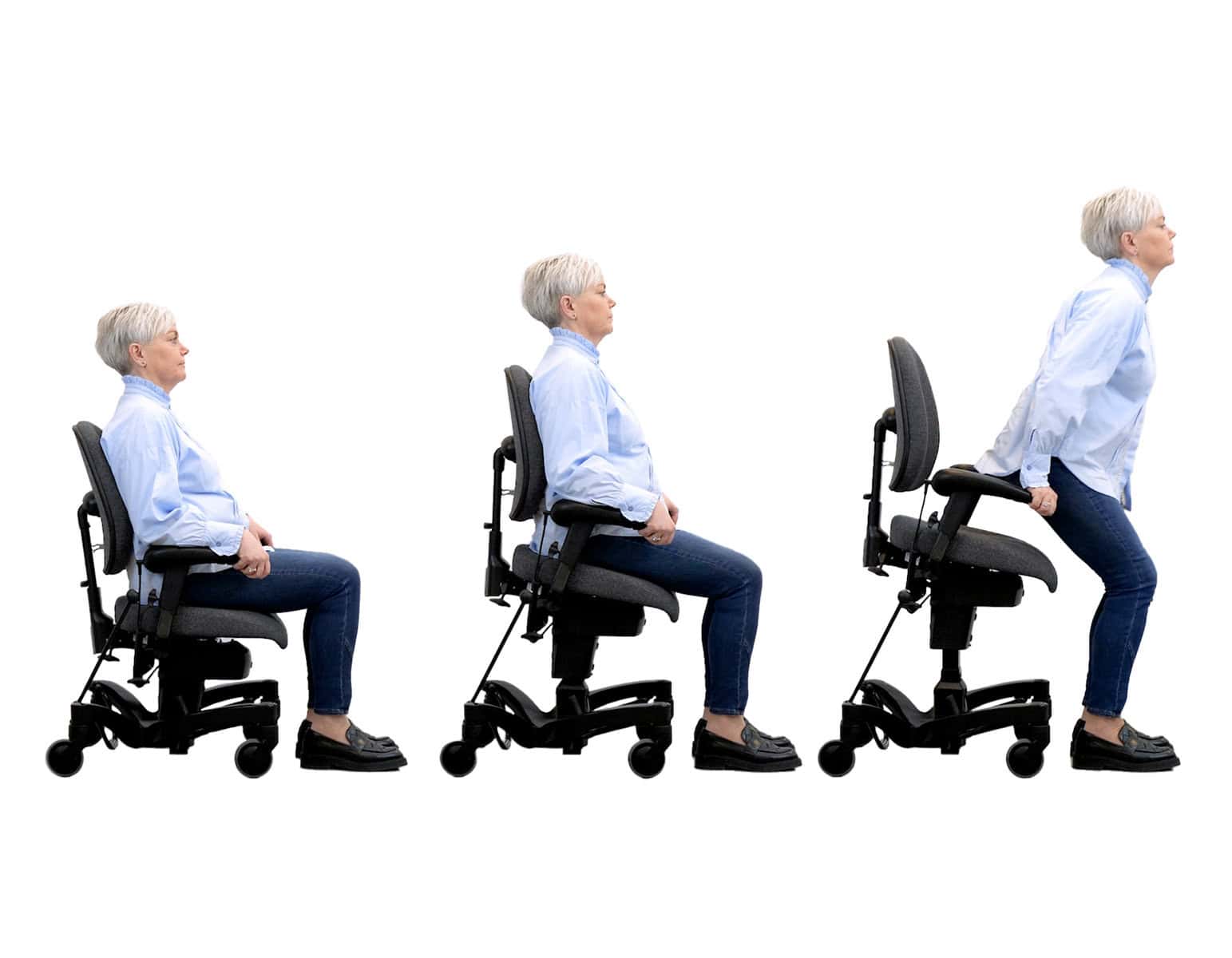
While nursing home care provides comprehensive support, many seniors and their families prefer to maintain as much independence as possible in their own homes. VELA chairs are an innovative solution that can bridge this gap by enhancing mobility and safety for seniors at home. Medically approved and designed specifically for home use, a VELA chair offers enhanced safety, freedom of movement while seated, and support for daily activities like cooking, dressing, or transferring. These features not only help seniors maintain independence but also lighten the load on informal caregivers, enabling a safer and more self-reliant lifestyle.
Seniors aiming to age in place comfortably can benefit significantly from solutions like the VELA Chair. Equipped with features designed for safety and mobility, such as a central brake and electric height adjustability, the chair makes everyday activities like cooking and cleaning more accessible while seated. This can delay the need for a nursing home by maintaining mobility and independence, offering a dignified stance as seniors age. The ability to move easily and securely within their homes also alleviates pressure on caregivers. While not the only solution, VELA represents a proven, practical option for those committed to remaining in familiar surroundings. For more information, explore helping seniors maintain independence at home, where you can find ideas for using mobility solutions to enhance daily living.
Staying Informed About Assisted Living Advances
To remain current with developments in assisted living, families and care professionals are encouraged to consult reputable resources such as the World Health Organization (WHO), National Institute on Aging (NIA), and Centers for Disease Control and Prevention (CDC). These organizations regularly provide updates on best practices for mobility, accessible design, and assistive technologies that can further improve the quality of care and well-being for seniors in Marion and across the United States.