

Updated February 2026: We have updated the article with the latest findings on the rise of personalized, technology-enhanced micro-communities in small assisted living homes, including the integration of AI-assisted care plans, resident-driven design customization, holistic wellness concierge programs, and hybrid care models that combine independent and assisted living options within the same community.
Updated October 2025: We have updated the article to include the latest innovations in assistive technologies such as AI-powered wheelchairs, robotic exoskeletons, and smart sensor integration that enhance senior mobility and independence. The article also reflects new developments in boutique-style, home-like assisted living communities, personalized and hybrid care models, and current trends in regulatory, ergonomic, and funding considerations for small assisted living homes.
Exploring the Benefits of Small Assisted Living Homes
In the evolving landscape of senior care, small assisted living homes are emerging as a preferred option for retirees seeking personalized care in intimate community settings. These homes excel in providing tailored approaches to caregiving, especially for an aging population where, according to the AHCA/NCAL, most residents are 85 years or older, with many experiencing memory impairments. This article explores the unique benefits of small assisted living homes, including their advantages, target demographics, quality of life considerations, integration of advanced assistive technologies, and financial aspects.
What are small assisted living homes and how do they differ from larger facilities?
Small assisted living homes offer a distinctive home-like environment, typically housing fewer than 25 residents. This setup favors a lower resident-to-staff ratio, thereby ensuring personalized attention. Recent trends showcase a move toward boutique-style, smaller communities that provide a cozy, familiar setting while integrating technology to foster autonomy and well-being. For example, ‘A Place At Home’ achieves a 4.7-star rating due to its high staff engagement and nurturing atmosphere. According to a Mayo Clinic study, individualized care can significantly enhance elderly residents’ health outcomes, a key strength of small homes demonstrated by establishments like ‘A Place At Home’.
Industry developments now show that personalized micro-communities have become a standard for small assisted living homes, delivering customized services in close-knit, hospitality-inspired environments. Residents expect larger, home-like units with personal amenities and flexibility in common areas, as well as meaningful input on design decisions. The physical and experiential design now focuses on providing familiarity, comfort, and flexibility in daily life Senior Housing Business, 2026.
Notably, many of these communities have begun incorporating innovative assistive devices and smart home systems, such as AI-powered mobility aids and health monitoring technologies, offering both safety and greater independence Keyway Medical, 2025. This has led to an increased focus on ergonomic designs and adaptive technologies that empower residents while supporting caregiver roles Equal Accessibility LLC.
A major advancement is the use of artificial intelligence to actively monitor resident behavior and adjust individual care plans in real time. AI systems can detect changes in resident mood, mobility, nutrition, or safety events, alerting staff and personalizing interventions, a step forward for small facilities managing complex needs Senior Housing Business, 2026.
Who benefits most from small assisted living homes?
These homes are particularly beneficial for seniors 85 and older, especially those dealing with memory impairments such as dementia or Alzheimer’s disease. Small assisted living homes specialize in providing targeted memory care, a crucial advantage highlighted by the CDC, which reports that about 70% of assisted living residents face memory challenges. For instance, Silver Leaf Senior Living in Texas offers a tailored dementia care program, improving the resident’s quality of life and underscoring the advantage of specialized care in a small setting.
Recent research also highlights the rising number of solo agers—those aging without nearby family support—and the need for affordable, flexible options for the broader middle market segment Align Senior Care, 2025. Small assisted living homes accommodate these trends by providing scalable support, and now often adopt a hybrid (continuum-of-care) model where care levels can be tailored and adjusted as resident needs evolve Juniper Communities.
Industry sources show integrated independent and assisted living models have become more common, allowing residents to age in place within one supportive community. This integration reduces or eliminates stressful care transitions and is particularly relevant for small homes that adapt as resident needs increase NIC MAP, 2026.
Quality of life and state regulations: ensuring safety and comfort
Small assisted living homes prioritize creating a home-like atmosphere, bolstering meaningful relationships and independence among residents. These establishments adhere to stringent state regulations that ensure safety and care quality. According to Ultimate Care NY, facilities must comply with regulations covering safety and scope of care.
Today’s best small homes are increasingly adopting smart sensor technologies and AI-powered health monitoring systems. These innovations enable real-time tracking of resident well-being, helping to prevent complications such as falls or pressure sores and promoting proactive interventions PubMed Central, 2025AbilityMT.org.
A case study highlights how small homes that incorporate engaging community activities, such as art classes and gardening, enhance residents’ autonomy, social engagement, and overall satisfaction—vital components of senior well-being. Newer models also integrate technology-enabled group activities and virtual connections to expand social opportunities. These wellness-centered, inclusive care practices help foster dignity, connectedness, and a personalized living experience SavingAdvice.com, 2025.
Personalized wellness and concierge services are now common, with holistic programs focusing on mobility, balance, mental health, and the integration of creative arts, mindfulness, and psychotherapy into daily routines. Resident involvement in activity and wellness planning ensures that individual preferences drive engagement and satisfaction Direct Supply Aptura, 2026.
Average costs and funding options for small assisted living homes
Financial considerations are crucial in determining the appropriateness of assisted living options. Generally, small homes present a more cost-effective solution, with monthly expenses ranging from $4,500 to $5,500, compared to nursing facilities, which can exceed $9,000 monthly. The Genworth 2024 Cost of Care Survey affirms these cost differences.
The financial landscape is seeing new trends, with middle-income and solo aging seniors seeking affordable solutions that don’t require dislocation as care needs change. Hybrid, continuum-of-care models in small assisted living homes can flexibly scale services—matching increasing needs without requiring a move, supporting cost control, and sustaining a sense of community Align Senior Care, 2025.
Funding options include long-term care insurance, reverse mortgages, and veterans’ benefits, enabling middle-income seniors to sustainably plan for assisted living needs. In addition, some small communities may provide opportunities to leverage funding for tech upgrades, including access to the latest mobility aids and health monitoring devices World Health Organization.
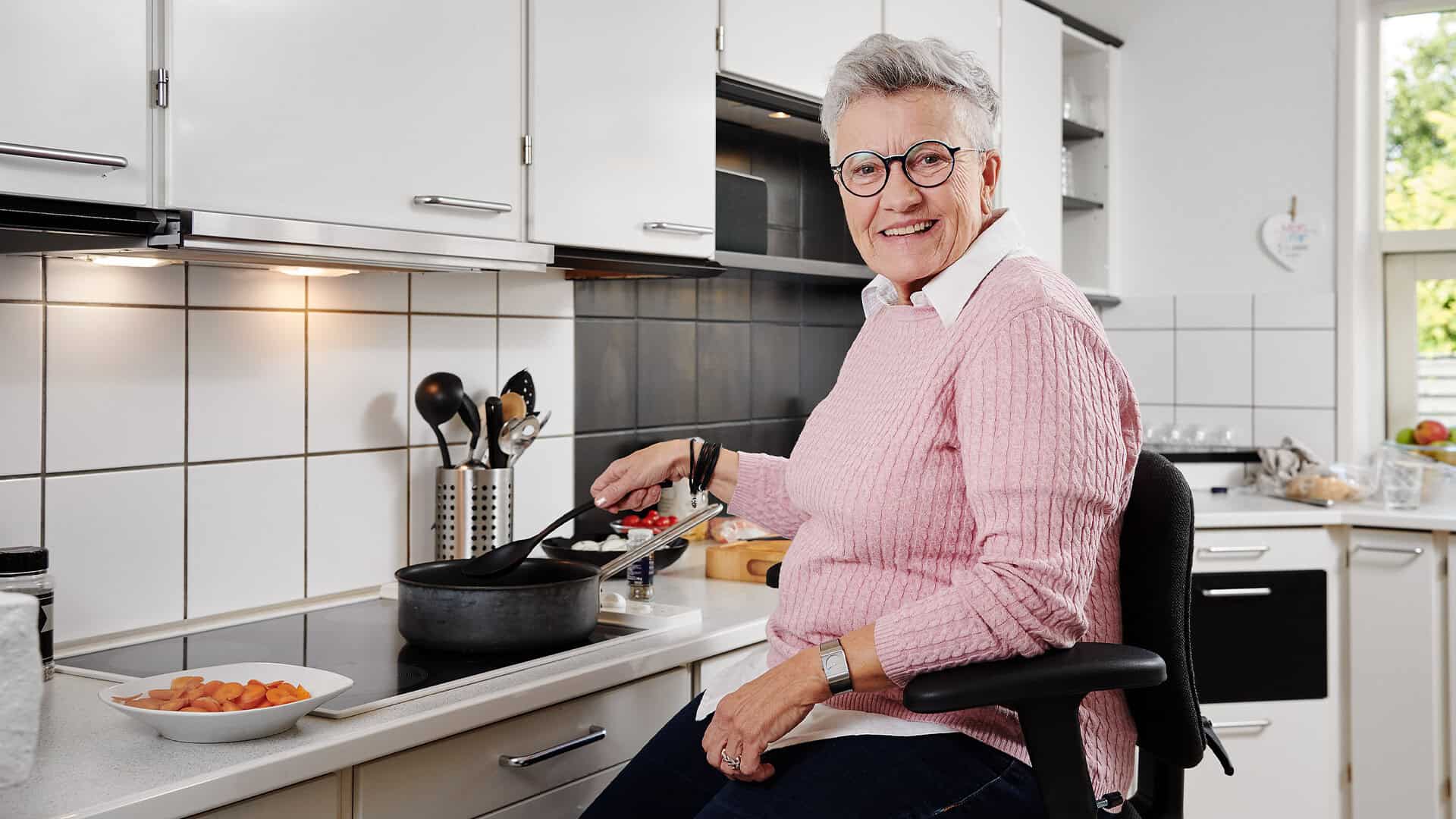
In larger nursing home settings, challenges such as reduced personal attention and diminished independence can prompt families to search for alternatives that uphold dignity and autonomy. This is where supportive solutions like the VELA Independence Chair can make a significant difference. VELA offers a medically approved mobility chair designed for home use, enhancing safety and freedom of movement while seated. It supports a variety of daily activities, including cooking, dressing, and transferring, and alleviates the burden on informal caregivers, promoting both safety and autonomy at home.
Small assisted living homes are reshaping senior care by emphasizing individualized attention and a supportive community environment, often lacking in larger facilities. These homes significantly enhance residents’ quality of life through personalized care and safety, and they balance affordability with quality. Research from NIH/PMC supports the idea that integrating such environments can dramatically enhance the living experience for seniors. Small assisted living homes undeniably represent a compelling eldercare option, offering a harmonious blend of personalized care and community-centric living.
Staying independent at home with support
For seniors aspiring to maintain independence in their own homes longer, mobility solutions like the VELA Independence Chair can be transformative. Equipped with features such as a central brake for safety, electric height adjustability, and seamless movement while seated, VELA aids seniors in everyday activities—from cooking to cleaning, and relaxing. This level of support helps diminish caregiver strain, postponing the sometimes-inevitable move to a nursing facility. By promoting autonomy, freedom, and safety, VELA empowers seniors to live with dignity and energy-saving efficiency.
The latest advances go beyond mobility chairs; AI-driven wheelchairs, robotic exoskeletons, and smart sensor-based assistive devices now allow seniors to benefit from obstacle detection, autonomous navigation, user-adaptive controls, and health monitoring. These integrated tools further support successful aging in place and help bridge care gaps for those without immediate family or caregiver resources Keyway Medical, 2025. While the VELA chair remains a highly effective and ergonomic option, other innovative mobility aids, including those with voice or gesture controls and proactive wellness features, contribute to safe and independent living at home. Help for seniors at home and mobility solutions for independent seniors play crucial roles in sustaining quality eldercare.