

Updated February 2026: We have updated the article with the latest advances in AI-driven predictive analytics for resident health and fall risks, integration of smart assistive technologies such as wearable mobility sensors and autonomous wheelchairs, new policy requirements for medication management and staffing in assisted living, CES 2026 innovations in mobility devices, and ongoing trends toward whole-person, personalized wellness assessments in assisted living facilities.
Resident Health Assessment for Assisted Living Facilities: A Comprehensive Guide
Ensuring quality care and safety in assisted living facilities begins with comprehensive resident health assessments. These assessments form the bedrock of personalized care planning and play a crucial role in determining a senior’s eligibility for assisted living arrangements. According to the National Center for Assisted Living (NCAL), 46 states necessitate health assessments upon admission. Additionally, data from Senior Services of America indicate that 37 states require cognitive function evaluations.
Understanding the regulatory framework for health assessments
Resident health assessments are governed by state regulations that dictate both admission and ongoing residency criteria in assisted living facilities. A standardized documentation method, such as Florida’s AHCA Form 1823, exemplifies the structured approach necessary for compliance. This form, detailed by the Florida Department of Elder Affairs, is crucial for ensuring consistency and compliance within the state.
In Illinois, during the admission process, facilities must adhere to state-specific requirements that ensure residents receive assessments reflecting their needs and aligning with state mandates, as noted by the Illinois Department of Public Health.
Recent regulatory developments have increased federal and state oversight. Many states now require assisted living facilities to disclose ownership and meet stricter healthcare licensure standards, whether operated by for-profit or nonprofit organizations. These regulatory changes reflect heightened scrutiny on compliance and transparency in resident health assessment processes. Greenberg Traurig Facilities are also responding to the latest 2026 policy landscape, including increased requirements for medication management protocols, higher staffing ratios, and readiness for higher-acuity care, ensuring ongoing alignment with evolving standards for safety and quality.DosePacker LeadingAge
Core components of comprehensive health assessments
A well-rounded health assessment covers several domains, all of which play a pivotal role in shaping the resident’s care plan:
- Medical and health status: Involves detailed medical history, current diagnoses, allergies, and medication reviews. With the integration of AI-powered health monitoring, wearable fall detection sensors, and smart medication management systems, facilities now enhance resident safety and medication adherence while reducing staff burden and minimizing human error.DosePacker CLA Connect AllSeniors.org Provider Magazine
- Functional capacity: Assessment of daily living activities (ADLs) like mobility and self-care abilities. Facilities now increasingly leverage smart assistive technologies such as autonomous wheelchairs, wearable mobility sensors, and AI-driven analytics to evaluate and support resident movement, prevent falls, and customize care pathways. CES 2026 innovations, including all-terrain power chairs, WheelMove mobility attachments, and MaaS-Bridge systems, enhance both the accuracy and effectiveness of functional assessments in complex environments.Mobility Management Ability MT CCL-HG
- Cognitive and behavioral assessment: Evaluating cognitive status, behavioral considerations, and mental health is essential. Current trends showcase a move toward real-time behavioral monitoring using smart home devices and telehealth platforms and more personalized, resident-driven engagement programs. AI-supported tools can now identify behavioral or cognitive changes earlier, empowering proactive care planning.AllSeniors.org
- Special care requirements: This includes dietary restrictions, therapeutic needs, and accommodations for memory care, ensuring holistic resident management. Care models now emphasize hyper-personalization, tailoring wellness programs and both physical and social environments to fit individual needs with increased resident autonomy and user-driven feedback as part of the assessment process.CCL-HG
Implementing and updating personalized care plans
The transition from assessment to a personalized care plan follows a strategic process, beginning with pre-admission screening and culminating in periodic reassessments. Recent trends emphasize hyper-personalized care: plans now incorporate preferences, lifestyle goals, technology adoption, and proactive wellness programs. Wearable devices and telehealth integration enable ongoing, dynamic reassessment rather than relying solely on periodic manual reviews. Facilities often update care plans bi-annually based on assessment findings, as evidenced by research in a study from PMC.
Consider a practical scenario involving a resident whose mobility declines: reassessment often prompts necessary adjustments to their care plan to ensure ongoing support and safety. Tools such as smart mobility path optimization, pressure sensors in wheelchairs, and AI-enabled risk detection allow for targeted, proactive adaptations in care strategies. Utilizing digital documentation and remote health monitoring now enables providers to respond rapidly to changes. This approach not only aligns with regulatory requirements but also with compassionate, resident-centered care practices.
Facilities are also adapting protocols to support solo agers—those without close family advocates—by integrating advanced care planning, daily wellness check-ins, telemonitoring, and advocacy services into everyday operations. This ensures equitable care for residents aging alone.Align Senior Care
Admission limitations and quality of life considerations
Health assessments determine not only admission eligibility but also influence the quality of life within assisted living residences. Criteria often include physical capability, cognitive function, and the absence of communicable diseases, as documented by Senior Services of America.
With AI-powered health tracking, automated documentation, and real-time analytics, facilities can monitor for potential concerns and implement timely interventions for issues ranging from fall risks to medication adherence. Upgrades in wearable technology also allow for seamless, continuous quality monitoring — supporting early intervention and whole-person well-being. This real-world complication demonstrates expertise in handling complex scenarios and illustrates the benefit of modern technology in securing resident well-being.AllSeniors.org Provider Magazine
Exploring alternatives to nursing homes
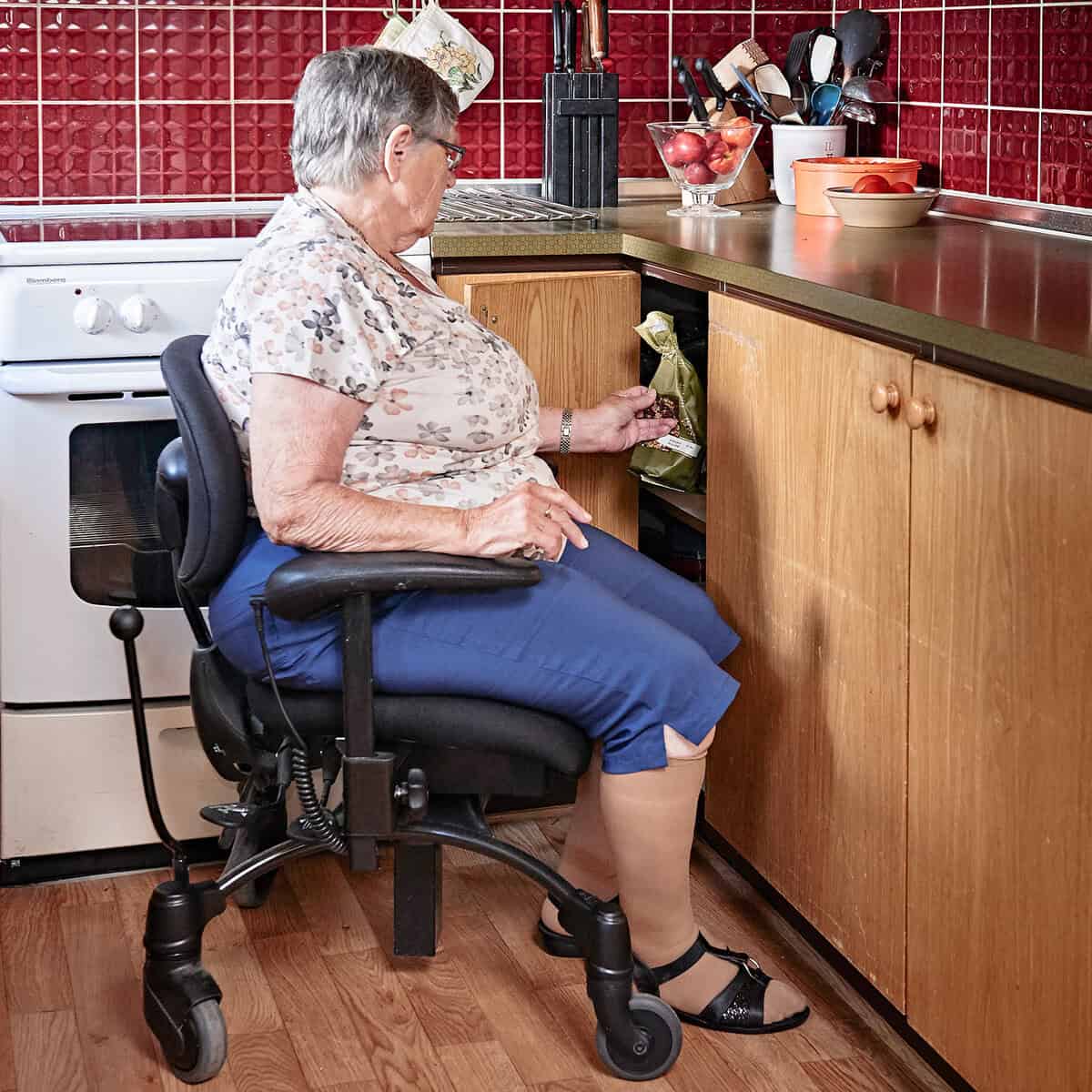
The use of assistive devices like VELA Chairs has emerged as a viable solution for those wishing to maintain independence at home longer. This specialized chair offers features that specifically address challenges associated with aging, such as its central brake system for enhanced safety and electric height adjustability for seamless transfers. By fostering ease of movement, the VELA Chair can delay the transition to a nursing home by boosting confidence in daily activities such as cooking and personal hygiene. While VELA is one effective solution, it is increasingly considered part of a comprehensive strategy for aging in place, alongside technology-driven safety monitoring, cognitive engagement, and personalized wellness programs. Recognizing the value it adds in terms of safety, dignity, and energy conservation supports both individuals and their caregivers as part of a broader, modern approach to independent living. New smart mobility technologies introduced at CES 2026 and advanced wearable sensors complement these solutions, providing greater autonomy and integration with whole-home safety platforms.Mobility Management Ability MT
Emerging trends in resident health and facility operations
The senior living sector is experiencing several additional shifts. Middle-market and flexible living options—such as modular housing or co-housing—are on the rise, accommodating a greater number of older adults with moderate incomes. This expansion of financial models allows broader access to individualized support and community-based services.Align Senior Care
Occupancy rates have rebounded to pre-pandemic levels. Despite ongoing labor shortages, employee turnover is declining, indicating a maturing and more stable workforce in many regions.AHCA NIC MAP
Sustainability and robust community engagement are also shaping facility design and operations. Eco-friendly building practices and intergenerational or volunteer programs are becoming essential elements of holistic wellness strategies.DosePacker McKnight’s Senior Living
Sources
- National Center for Assisted Living – State Regulations
- Senior Services of America – Assisted Living Requirements and Criteria
- Florida Department of Elder Affairs – AHCA Form 1823
- Illinois Department of Public Health – Assisted Living Regulations
- PMC – Resident Care Plan Updates
- DosePacker – Senior Living Technology Trends 2025
- CLA Connect – Digital Automation in Senior Living 2025
- Greenberg Traurig – Ownership Disclosure and Licensure Requirements
- Align Senior Care – Middle-Market Senior Living Trends
- McKnight’s Senior Living – Senior Living Industry Trends 2025
- AHCA – Nursing Home Workforce Report
- NIC MAP – Senior Housing Occupancy 2025
- AllSeniors.org – Senior Placement Trends 2026
- DosePacker – Senior Living Trends 2026
- LeadingAge – 2026 Policy Platform
- Mobility Management – CES 2026 Assistive Technology
- Ability MT – Assistive Technology for People with Disabilities
- CCL-HG – Senior Living Well-Being Trends 2026
- Provider Magazine – Long-Term Care 2026 Trends and Outlook