

Updated February 2026: We have updated the article to reflect 2025–2026 regulatory changes in assisted living, including enhanced staff training, person-centered dementia protocols, Medi-Cal eligibility reforms for California, and new federal requirements for electronic visit verification, digital compliance reporting, and website accessibility. The article also incorporates the latest guidance on individualized care assessments and measurement of resident outcomes.
Updated October 2025: We have updated the article with recent advancements in assistive technology, innovations in ergonomic design, and the latest regulatory changes affecting assisted living facilities, including updates to California’s Residential Care Facilities for the Elderly (RCFE) requirements and new legislative actions. Information on the integration of smart devices, patient-centered care trends, and current adoption patterns has also been added.
Strategic Insights for Prospective Assisted Living Facility Owners
Owning an assisted living facility is both a valuable business venture and a crucial service to support the aging demographic. The projected demographic shift, with individuals aged 85+ expected to double by 2030, underscores the need to invest in senior care infrastructure. According to U.S. Census Bureau, this exploration addresses the complexities and rewards of facility ownership, focusing on regulatory compliance, workforce development, market trends, and resident care enhancement.
Understanding the Legal Landscape: Licensing and Certification
Navigating regulatory waters is a critical initial step in establishing a senior living home. Licensing requirements vary by state and typically involve a detailed application, associated fees, and inspections. MyFieldAudits explains that facilities offering Medicare or Medicaid must also meet stringent federal guidelines to comply with CMS standards. For example, in Nebraska, specific state regulations highlight the complexity of the application and renewal processes as noted by DHHS Nebraska.
Regulatory frameworks continue to evolve in response to the growing needs of the aging population. Beginning May 2025, 18 U.S. states have significantly updated regulations, shifting emphasis toward enhanced staff training (10 states), administrator education (9 states), and scheduling requirements (7 states), with a clear focus on person-centered care and resident safety.NCAL 2025 Assisted Living State Regulatory Review CMS-influenced regulations now require electronic visit verification (EVV) for Medicaid services, greater outcome-based quality measures (such as fall rates, antipsychotic use, and patient satisfaction), and staffing transparency.CMS Regulations & Guidance on Assisted Living Compliance Facilities must prepare for the January 1, 2026, extension for SNF revalidations and ensure digital compliance reporting.
In California, recent updates for Residential Care Facilities for the Elderly (RCFE) regulations include mandatory individualized resident assessments for dementia care, use of CARE tools during inspections, and prompt reappraisals after changes in resident conditions.California Assisted Living Compliance Guide For long-term care eligibility under Medi-Cal, stricter asset tests will be reinstated in 2026.California Medi-Cal Long-Term Care Eligibility Changes Legislative efforts such as SB433 in California also aim to regulate fees for residents receiving Medi-Cal services, ensuring fair and equitable access to care. For further information on these legal changes, see the latest updates from California authorities.Assisted Living Waiver Program Details
Building a Compassionate and Compliant Workforce
The workforce is the backbone of any successful assisted living facility. Staffing ratios and qualifications are regulated differently across states. Minnesota requires specific training focused on emergency procedures and resident rights. More details can be found at Health State MN. A successful example includes a facility implementing dementia care programs, which enhanced staff skills and boosted resident care quality.
Recent regulatory trends prioritize ongoing staff training—especially in dementia care, infection control retraining, and outcome-based practices—to improve care quality and reduce regulatory violations.NCAL 2025 Assisted Living State Regulatory Review Administrator education and transparent staffing schedules are now being enforced in many jurisdictions, with operational focus on comprehensive documentation and measurable resident outcomes rather than only meeting minimum staffing ratios.CMS Regulations & Guidance on Assisted Living Compliance
Recent recommendations place greater emphasis on rehabilitation practices that prioritize patient-centered care and the use of assistive devices, supporting greater patient independence and improvement in quality of life within assisted living settings. This approach aligns with the latest best-practice trends across the industry.
Adapting to Market Trends: Preparing for the Future of Senior Living
Looking towards 2025 and beyond, owners must anticipate continued industry shifts, including updates in regulations, rising property costs, inflationary pressures, and increased liability. Market adaptability now also requires the integration of technology for compliance—installing EVV systems, maintaining digital records, and preparing for forthcoming requirements such as full website accessibility for residents and families (with a federal deadline of May 11, 2026).HHS Website Accessibility Deadline for Providers More on industry outlook can be read at Kapnick. Some facilities have successfully adapted their financial models to mitigate inflationary pressures. A medium-sized facility’s strategic financial realignment ensured ongoing operations amidst economic challenges.
Innovations in assistive technology and ergonomic design now play a greater role than before. The adoption of smart home platforms and connected care systems within assisted living environments reflects current trends to offer more tailored and responsive care, as well as enhanced safety, for residents experiencing reduced mobility or cognitive challenges.
Creating a Safe and Supportive Environment for Residents
Ensuring a conducive environment for residents is a core operational focus. Facilities are increasingly required to provide individualized assessments (especially for dementia care), and measurable support for activities of daily living (ADLs), supervision, and healthcare services, as highlighted by Brightwater Living. New CMS measures prioritize tracking resident outcomes such as falls, satisfaction, and antipsychotic medication rates.CMS Regulations & Guidance on Assisted Living Compliance Effective management of resident transitions, such as during discharges, is crucial. A facility enhanced satisfaction by customizing care plans, resulting in higher engagement and improved quality of life outcomes.
Ergonomic innovation has become a central concern. Assistive devices and environment design are evolving rapidly to better meet resident needs, minimize the risk of falls, and increase overall comfort. These developments are supported by trends in both clinical recommendations and user-led adoption within assisted living communities. Facility designs are also adapting to include clear accessibility measures, infection control, and individualized safety accommodations as required by recent state inspections and federal guidelines.California Assisted Living Compliance Guide
Integrating Innovative Mobility Solutions for Resident Independence
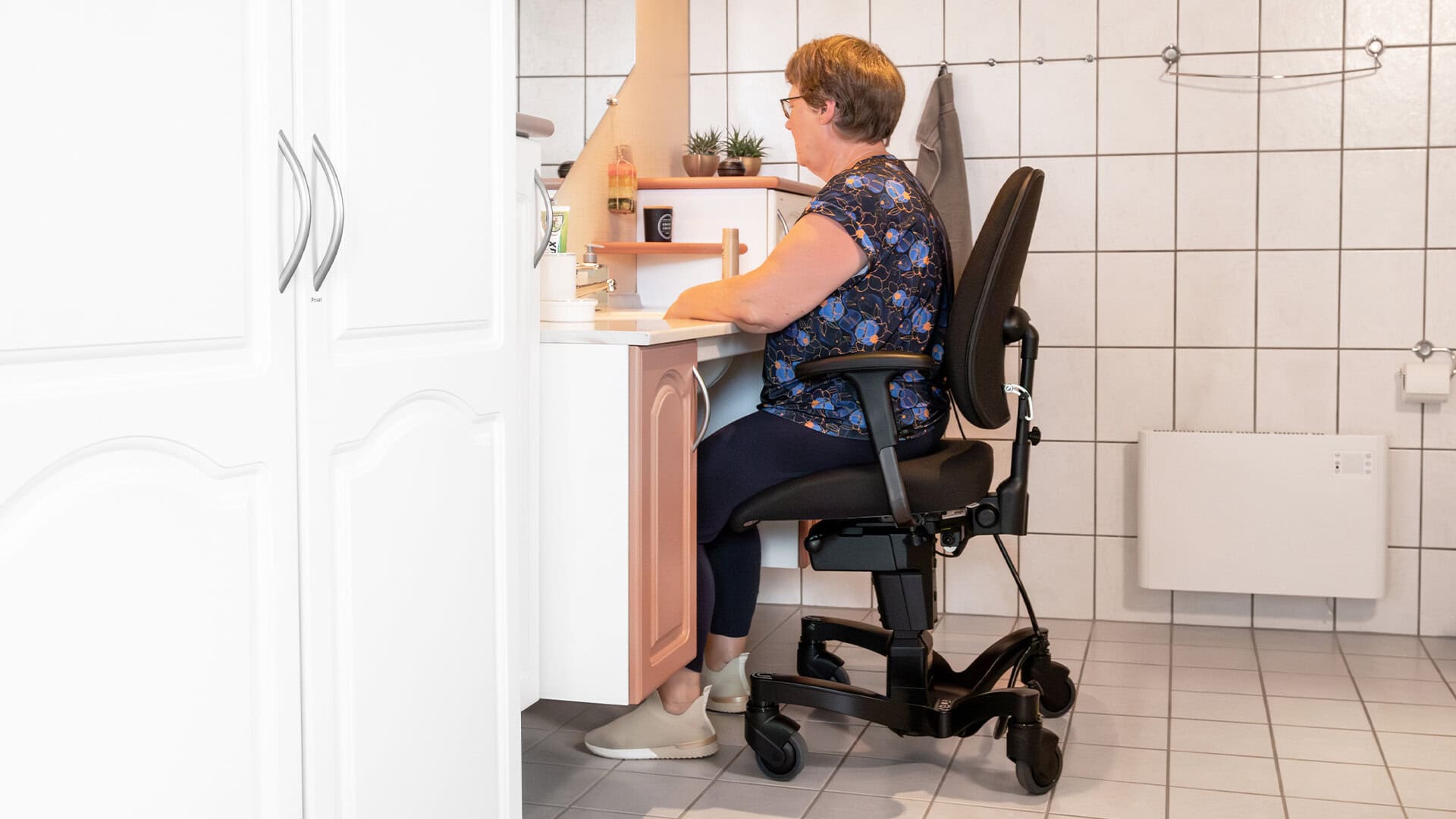
Transitioning to solutions that facilitate elderly independence is a significant challenge addressed in senior care environments. With the rising demand for care support, innovative approaches such as the VELA Independence Chair offer practical alternatives. This medically approved mobility chair is designed for home use, enhancing safety and freedom of movement while seated. It supports daily activities like cooking, dressing, and transferring, while also reducing the load on informal caregivers. Integrating solutions like VELA can significantly improve resident independence, comfort, and safety, especially in settings that prioritize assisted living chair options for effective chair solutions for elderly care.
Recent advancements in assistive technologies, such as connected mobility devices and personalized care platforms, are being incorporated more frequently within assisted living environments. These innovations help to meet the growing demand for independence and safety, as highlighted in the latest trends and regulatory endorsements for adopting assistive technology.
Supporting Aging in Place: A Practical Option
Supporting independence at home through mobility solutions like the VELA Chair can greatly impact aging adults’ quality of life. Its central brake enhances safety, reducing fall risks during movement, which is critical in fall prevention strategies with mobility aids. The electric height adjustability assists with smooth transfers and adjustable positioning while seated, extending the ability to engage in domestic activities without excessive strain. Such features allow older adults to maintain dignity, freedom, and energy efficiency throughout daily tasks like cooking, cleaning, and relaxing. By addressing issues of safety, mobility, and ease, VELA helps delay the need for a nursing home, illustrating a proven and practical solution to maintain independence and reduce caregiver burden. While it is not the only option available, its benefits present a strong case for its consideration in supporting the autonomy of the aging population.
- NCAL 2025 Assisted Living State Regulatory Review
- CMS Regulations & Guidance on Assisted Living Compliance
- California Assisted Living Compliance Guide
- California Medi-Cal Long-Term Care Eligibility Changes
- Assisted Living Waiver Program Details
- HHS Website Accessibility Deadline for Providers
- California RCFE Regulation Changes 2025
- SB433 California Bill