

Updated February 2026: We have updated the article with new findings on 2025–2026 changes to staff training and regulatory requirements in assisted living and nursing homes, federal policy changes affecting staffing and compliance, and current trends in cost and quality of care transparency, reflecting evolving distinctions between care environments.
Understanding the difference between nursing homes and assisted living
Navigating the world of senior care can be overwhelming, especially when faced with decisions between nursing homes and assisted living. Both are essential options with distinct purposes. Ensuring the best choice means understanding these distinctions well. According to the National Institute on Aging, only a small percentage of older adults reside in nursing homes, highlighting the importance of understanding the appropriate scenarios for each option.
Levels of care and medical supervision
The primary difference between nursing homes and assisted living lies in the level of care and medical oversight. Assisted living facilities provide support for seniors who are relatively independent but need assistance with daily activities such as dressing, bathing, and medication management. These facilities often have medical staff available during the day, focusing on lifestyle support rather than intensive medical care. For instance, Mrs. Johnson, a resident at Green Acres Assisted Living, benefits from community activities while receiving personalized support for her mild mobility issues, enabling her continued independence.
Recent regulatory updates in 2025 and 2026 have notably expanded the scope of care in assisted living. Eighteen U.S. states, plus D.C., have introduced enhanced requirements for staff training, education, and scheduling, with ten states updating direct care staff qualifications and nine revising rules for administrators. Some states now require assisted living facilities to publicly report staffing levels and implement Electronic Visit Verification (EVV) for Medicaid-funded services, broadening assisted living’s capacity to support residents with greater medical or memory care needs for longer periods.
NCAL 2025 Assisted Living State Regulatory Review, Activated Insights
Conversely, nursing homes cater to individuals requiring 24-hour medical supervision, staffed with registered nurses around the clock, suitable for those with chronic conditions needing constant care. According to A Place for Mom, these facilities provide comprehensive health and personal care services crucial for residents with significant medical needs.
On the federal level, the Centers for Medicare & Medicaid Services (CMS) issued an interim rule in December 2025 that rescinds the previous minimum nurse and aide staffing mandates for skilled nursing facilities, effective February 2, 2026. Additionally, the Medicare revalidation deadline for skilled nursing facilities has been extended to January 1, 2026. These regulatory changes may impact staffing models and flexibility, affecting transitions and admissions criteria.
Duane Morris, Reed Smith
In South Carolina, Bill 81 (2025–2026) introduces and defines separate staffing requirements in nursing homes for memory care and assisted living wings, ensuring that each setting maintains appropriately trained personnel to meet residents’ clinical needs.
South Carolina Bill 81
Living environments and resident independence
Nursing homes and assisted living environments also differ significantly. Assisted living communities mimic a homelike atmosphere, emphasizing independence and active lifestyles. They often include private apartments and a vibrant social life with events and community gatherings—a point echoed by Sonata Senior Living.
Evolving regulations and consumer expectations in 2025 and beyond highlight a greater emphasis on both personalization and transparency in assisted living. This includes state-mandated public reporting of staffing, quality measures, and care practices, ensuring families can make well-informed choices. Innovative approaches continue in the use of technology and adaptive mobility equipment but, according to the latest research, no new trends or breakthrough devices have emerged post-May 2025.
Activated Insights
In contrast, nursing homes have a more clinical environment focused on medical care. Residents may share rooms, adhering to structured routines with specialized diets to meet medical needs. While the environment is less homelike, this trade-off ensures continuous medical care essential for those with high care needs. Recent federal changes surrounding staff minimums may eventually alter how these clinical routines are staffed and delivered, with a continued focus on infection control and rating transparency.
Duane Morris
Financial considerations and payment options
Costs represent another major differentiating factor. Assisted living tends to be more affordable but is often not covered by traditional health insurance. Residents typically finance care through personal savings or income, although some long-term care insurance policies may offer partial coverage, as noted by Sunrise Senior Living.
In 2025, many states implemented new rules for Medicaid and insurance reimbursements as well as mandatory EVV for Medicaid-supported services in assisted living. These regulatory measures improve accountability and transparency for residents and their families. Shifts in regulations may also enable assisted living settings to serve higher-acuity needs for longer, potentially offsetting the need to transition to higher-cost nursing homes as soon as in previous years. Median costs for assisted living continue to be substantially lower than for nursing homes, with both sectors showing 7–10% cost increases in 2024.
NCAL 2025 Assisted Living State Regulatory Review
Nursing homes are generally more costly due to the higher level of medical care. While short-term stays may be covered by Medicare, long-term residence often requires Medicaid for eligible residents, emphasizing the need for meticulous financial planning. With the rescinding of minimum federal staff hours, staffing costs in nursing homes may become more variable, potentially affecting access and pricing. Enhanced quality and rating transparency at both state and federal levels continue to help families assess both value and care quality.
Duane Morris
Mobility solutions for independence
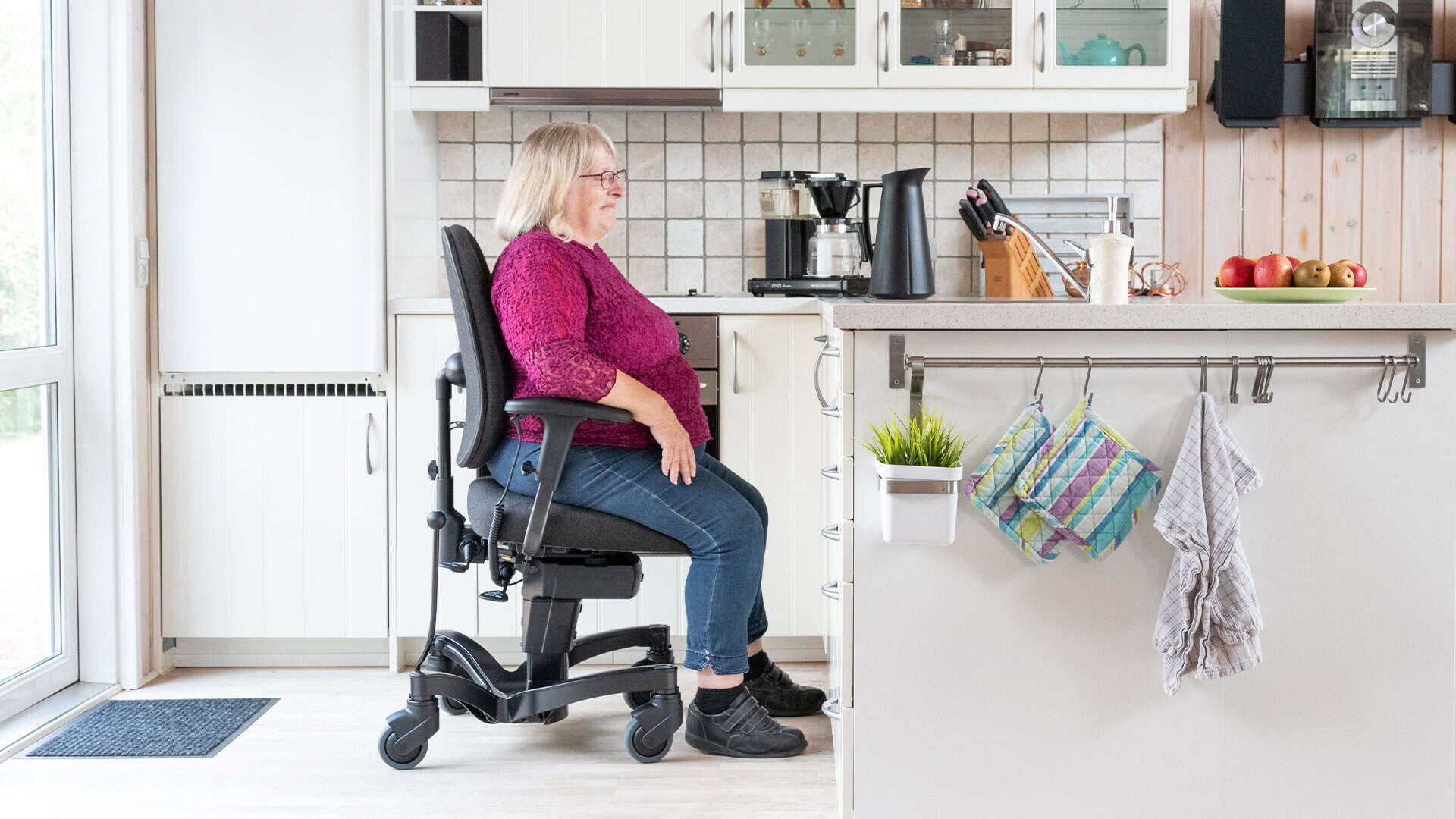
For seniors and caregivers navigating the challenges of living arrangements, solutions enhancing mobility and independence are paramount. In the current regulatory cycle, state and federal focus remains on staffing and quality transparency. No new major assistive device innovations or trends were identified after May 2025, but the continued use of ergonomic mobility aids and digital documentation supports safe, individualized care. Many seniors wish to maintain self-sufficiency at home. The VELA Independence Chair provides a practical, medically approved option for those seeking to age in place. This specialized chair supports safety, freedom of movement while seated, and assists in daily activities like cooking, dressing, or transferring—allowing older adults to maintain independence and reduce the burden on informal caregivers.
Activated Insights
Reducing caregiver burden through smart seating
Mobility solutions such as the VELA Chair empower seniors to remain in their homes longer, promoting independence and delaying the need for more intensive care environments like nursing homes. Features like the central brake offer improved safety, preventing falls, while electric height adjustability facilitates seamless transitions between activities. These enhancements make everyday tasks like cooking or cleaning more accessible, giving seniors dignity and freedom in their own spaces. The ability to navigate effortlessly while seated conserves energy and supports a more active lifestyle. As of 2026, while no new breakthrough designs have appeared, ongoing ergonomic improvements and regulatory attention to safer, more accountable care continue to shape product development and practice.
Activated Insights