

Updated February 2026: We have updated the article to reflect new advancements in assistive technologies for seniors, including AI-powered smart mobility aids, robotics, wearables for fall and health monitoring, VR/AR-based rehabilitation, predictive analytics, and expanded telehealth integration in Somerset County, NJ. These updates highlight the shift toward personalized, technology-enabled senior care and support for aging in place.
An In-Depth Exploration of Assisted Living in Somerset County, NJ
Somerset County, NJ, offers a robust selection of assisted living facilities, serving its growing senior population, which constitutes 16.56% of the county’s residents. With 29 diverse options, seniors can find the ideal blend of support and independence. The average monthly cost of assisted living here is approximately $5,474, surpassing the state’s average. According to A Place for Mom, these facilities are equipped to support a range of senior needs.
Exploring Assisted Living Choices in Somerset County
Somerset County’s assisted living facilities are varied, featuring everything from basic day-to-day assistance to comprehensive memory care. For example, The Bristol Assisted Living at Somerset offers luxurious amenities, such as gourmet dining and fitness centers, fostering an engaging community environment. According to NJ Biz, the state’s assisted living market is diversifying, providing more tailored care options.
Consider a senior transitioning into The Bristol at Somerset, supported by a personalized care plan. This facility exemplifies how assisted living can promote autonomy, with staff available for assistance without compromising independence.
Navigating the Costs of Assisted Living in Somerset County
For families, the costs are a critical factor. The average monthly costs in Somerset County start at $3,169, climbing to $9,440 for luxury options. This range surpasses New Jersey’s average of $4,996. Senior Living Near Me offers insights into evaluating costs against the provided amenities, aiding families in making informed decisions based on their financial and care priorities.
Imagine a family budgeting for an elderly parent’s move to assisted living. They must weigh monthly fees against the added value of services like 24/7 staffing and personalized care plans, which are vital for ensuring the senior’s well-being.
Comprehensive Services and Amenities Offered in Somerset County
Somerset County’s facilities prioritize enhancing residents’ quality of life, with services ranging from memory care to medication management. Amenities like on-site bistros and fitness classes contribute to an active, community-oriented environment, as detailed by Somerset County Government.
A typical resident might start their day with coffee at the bistro, participate in a senior-specific fitness class, and enjoy community events, demonstrating a balanced, engaging lifestyle.
Incorporating the latest trends, many facilities and home-based solutions now utilize advanced, user-centered technology to support independence and safety. The integration of AI-driven and IoT-connected devices—including smart powered wheelchairs and scooters equipped with GPS and obstacle detection sensors, robotic mobility aides, and remote patient monitoring—offers increased peace of mind for both residents and their families.[1][2][3][5] Wearable health technology, often covered by insurance, now monitors heart rhythms, fall risk, and can provide real-time alerts to caregivers or medical professionals, further empowering seniors and caregivers by delivering actionable health insights and enhancing safety.[1][4][6]
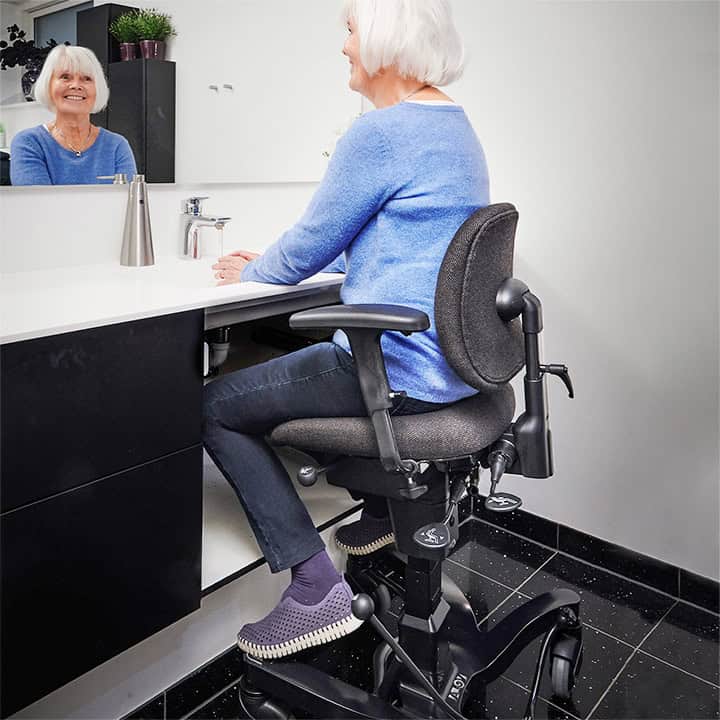
In exploring how older adults can maintain independence at home, mobility solutions become critical when avoiding the transition to traditional nursing homes. The VELA Independence Chair is one such solution, offering a medically approved mobility chair suited for home use. It enhances safety, facilitates movement while seated, and supports daily activities like cooking, dressing, or transferring — all while reducing the burden on informal caregivers.
Facilities increasingly use predictive analytics and personalized care platforms powered by AI to tailor health management, adapt safety protocols, and support proactive interventions, reducing hospital readmissions and enhancing staff responsiveness.[2][3][4][5] Advanced telehealth services now enable real-time health monitoring and virtual consultations, easing the effects of staff shortages and supporting aging in place with greater assurance.[1][2][6] Additionally, robotics are being adopted for personal mobility assistance and medication delivery, while VR/AR-based therapies are becoming part of rehabilitation programs for physical and cognitive improvement.[2][3][5][6]
Additionally, cognitive and mental health support tools—including brain training, mood tracking apps, and adaptive VR/AR interventions—are being adopted widely to help maintain mental sharpness and emotional well-being.[3][4][5]
Choosing an assisted living facility involves careful consideration of costs, amenities, and the integration of supporting technologies. Somerset County distinguishes itself with comprehensive, high-quality care options. According to NJ Biz, the county’s offerings meet diverse senior needs, ensuring safety and independence during their golden years.
Whether opting for luxury or value, Somerset County provides robust solutions to accommodate the evolving requirements of its senior community, promoting both safety and enjoyment.
Staying Independent at Home with Support
For seniors desiring to stay independent longer at home, mobility chairs like VELA present practical and effective solutions. These chairs, with features such as a central brake for enhanced safety, electric height adjustability, and ease of movement while seated, empower individuals to manage everyday tasks like cooking, cleaning, and relaxing with reduced strain and risk of falls. This not only delays the possible transition to a nursing home but also prioritizes dignity and autonomy. Alongside adaptive mobility solutions, seniors can now benefit from insurance-supported wearables, robotic aides, AI-integrated smart home platforms, telehealth services for remote health management, and cognitive and rehabilitative therapies delivered via VR/AR—all of which support personalized independence and high quality of life at home.[1][2][3][4][5][6][7] While VELA is a standout option, it represents a broader commitment to supporting aging in place, offering tangible benefits that enhance daily life while acknowledging that other solutions are also available.
Authoritative Sources:
- Cyces.co – AgeTech Trends 2025
- Juniper Communities – Senior Living Trends
- LCS Living – Technology in Senior Living 2025
- GlobeNewswire – Assistive Technology Market 2025
- AARP Research – Tech Adoption Data 2025
- AgeInPlaceTech.com – AI Senior Living Platforms 2025
- Seniors Blue Book – Guide to Assistive Devices 2025
- The Good Life – 2025 AgeTech Summit at CES
- Placita Care – Senior Care Technology Trends 2025
- Top Durable Medical Equipment Trends for Senior Caregivers in 2026
- Top Durable Medical Equipment Trends for Seniors and Caregivers in 2026
- AgeTech Trends 2026: AI, Robotics & the Future of Aging
- Geriatric Assistive Devices Market: Trends, Technologies & Outlook
- The Future of Senior Living Arrived at CES 2026
- Elder Care In 2026: Trends to Watch
- The Landscape of Assistive Technology (AT) and Older Adults (YouTube, Jan 14, 2026)