

Updated February 2026: We have updated the article with the latest advancements in adaptive deep brain stimulation (aDBS) using real-time AI, FDA approvals of new neurostimulator devices, minimally invasive stimulation alternatives like Phin Stim™, and current exercise and rehabilitation guidelines for Parkinson’s care. Additional insights include progressive, high-intensity physical therapy, comprehensive multidisciplinary rehab from diagnosis onward, and updated assistive technology recommendations.
Assisted Living for Parkinson’s: Navigating Care Options
The increasing need for specialized assisted living environments tailored to Parkinson’s patients is gaining attention. As Parkinson’s disease (PD) progresses, individuals encounter unique challenges that necessitate personalized care solutions. According to the Parkinson’s Foundation, around 1.1 million people in the U.S. live with this condition, and according to the BMJ, the global prevalence is expected to more than double by 2050. Understanding the intricacies of Parkinson’s care is crucial for families facing these decisions.
Why Assisted Living Becomes Essential for Parkinson’s Care
Parkinson’s disease, known for its progressive nature, significantly impacts daily life. Symptoms like tremors, rigidity, and impaired balance necessitate ongoing care, often exceeding what families can provide at home. Citing the Parkinson’s Foundation, cognitive decline and mobility issues further complicate home-based care. A case study featuring the Smith family highlights their decision to relocate their grandfather to an assisted living facility when his needs surpassed home care capabilities. This move improved the quality of life for him and alleviated the family’s caregiving burden.
Key Features to Consider in Parkinson’s Assisted Living Facilities
When selecting a suitable assisted living facility, consider the following critical features:
- Safety Features: Look for comprehensive fall-prevention systems and staff trained in PD-specific needs. Facilities like Benchmark Senior Living are recognized for their specialized programs that address Parkinson’s symptoms through a multidisciplinary approach. Advances now include FDA-approved adaptive deep brain stimulation (aDBS) systems that use AI to monitor real-time brain activity and adjust stimulation specifically for symptoms such as tremors and gait disturbances. These systems offer improved mobility, reduced side effects, and activity-specific therapy personalization, representing a significant step beyond traditional DBS therapies Medtronic’s BrainSense Technology; UCSF News; Stanford University News; UCSF: New Tech Helps Parkinson’s Patients; Stanford: The Research Behind Adaptive Deep Brain Stimulation for Parkinson’s Disease; Michael J. Fox Foundation: Ask the MD: The Next Generation of DBS Is Here.
- Therapy Options: Facilities offering onsite physical, occupational, and speech therapy are vital. Comprehensive, multidisciplinary rehabilitation is now recommended from diagnosis onward. Updated guidelines emphasize early and progressive high-intensity exercise programs, including aerobic training, strengthening, stretching, and balance work. Such approaches have been shown to improve neuroplasticity, decrease fall risk, and sustain functional independence throughout all stages of Parkinson’s disease Helen Hayes Hospital; PMC: Parkinson’s Disease Rehabilitation International Consensus; Parkinson’s Foundation: Updated Exercise Recommendations; ChoosePT: Physical Therapy Guide to Parkinson Disease; American Physical Therapy Association.
State-of-the-art facilities may also offer innovative assistive technologies, such as exoskeletons and virtual reality (VR) systems, which are increasingly used in rehabilitation to enhance physical performance and postural control for those with Parkinson’s disease Frontiers in Neurology; Parkinson’s Foundation.
For individuals hesitant to undergo traditional DBS procedures, newly available minimally invasive, wireless neurostimulators such as Phin Stim™ provide an alternative, using AI-adaptive cortical stimulation to reduce tremors and support long-term brain rewiring (neuroplasticity). Phin Stim™ is removable and designed to address reduced mobility and tremor-specific symptoms, representing an inclusive option in advanced neurotechnology for Parkinson’s CES Innovation Awards: Phin Stim™ for Parkinson’s Disease.
Navigating the Costs and Financial Options for Parkinson’s Care
Financing assisted living care for Parkinson’s can seem overwhelming. Monthly expenses typically range from $4,500 to $5,500, with specialized Parkinson’s programs potentially adding $300 to $1,000. Families can find financial relief through resources like Medicare, as advised by the U.S. National Library of Medicine, emphasizing the importance of early planning. For instance, the Johnson family effectively utilized Medicare to secure an affordable and high-quality facility.
Supporting Mobility and Independence in Assisted Living
Choosing the right assisted living facility for Parkinson’s involves evaluating safety features, specialized care, and financial feasibility. Armed with this knowledge, families are empowered to make informed decisions, ensuring loved ones receive the optimal support needed. For comprehensive guidance, refer to Medicare’s resources. This informed approach enables families to navigate the complexities of Parkinson’s assisted living with confidence and clarity.
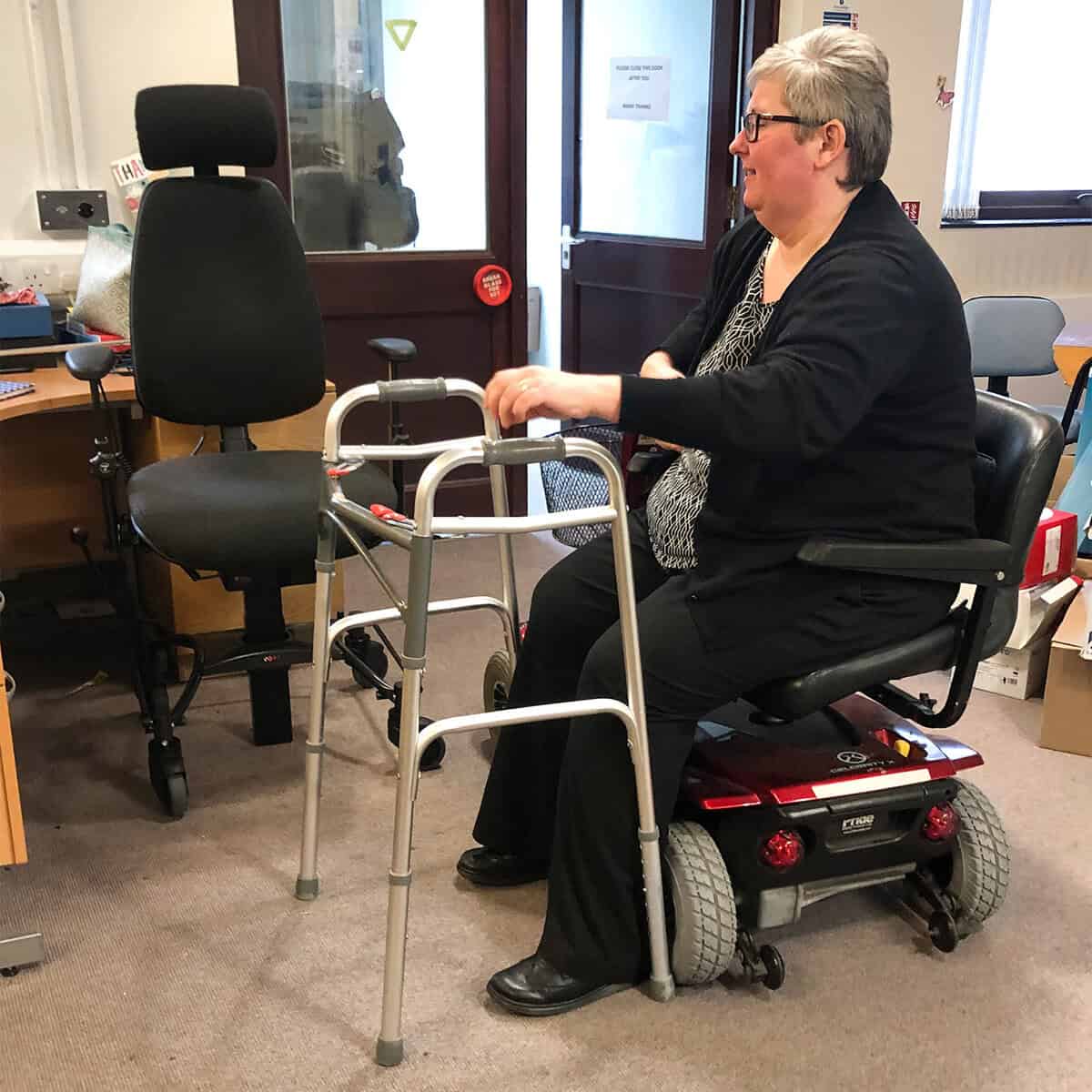
Mobility solutions like the VELA Chair offer an effective way to support aging in place for those with Parkinson’s. This chair features a central brake system for enhanced safety, electric height adjustability for easy transfers, and allows smooth movement while seated. Such amenities help individuals maintain their independence longer at home, potentially delaying the need for nursing home care. By enabling activities like cooking, cleaning, or relaxing with greater ease, the chair preserves energy, dignity, and freedom. Although it is not the sole option, the VELA Chair is a proven and practical choice for many seeking to minimize the burden on caregivers while supporting a secure and active lifestyle at home.